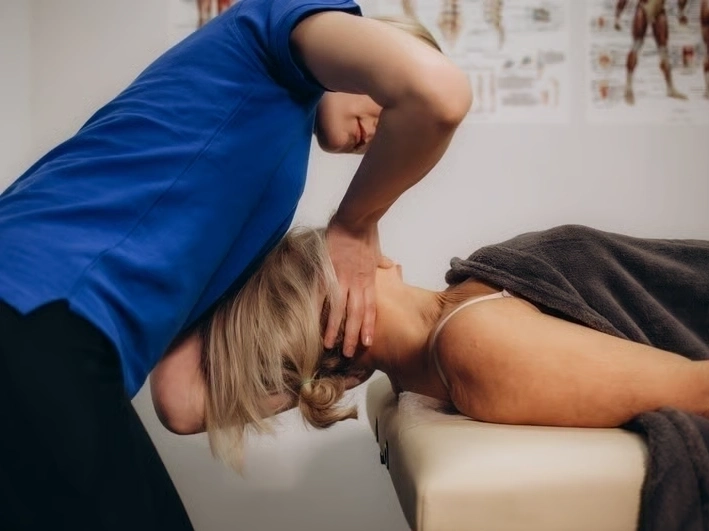
Understanding Chiropractic Adjustment

A chiropractor fixes joint problems. This is called a chiropractic adjustment. It’s also known as spinal manipulation.
The goal is to help joints move right. Some joints don’t move the way they should. This can happen from injury, overuse. Or bad posture.
Adjustments use a quick, controlled force. This force goes to the joint that hurts. You might hear a pop or crack.
That sound comes from gas bubbles. They come out of the joint. It’s not bones cracking.
Chiropractors focus on the spine. The spine protects your nerves. Nerves control everything your body does.
When spine joints are out of place, they hurt nerves. This can cause pain. It can also make you feel bad.
Adjustments put joints back in place. This helps nerves work better. It can make you feel healthier.
Adjustments don’t just help backs. They can help necks too. They can also help headaches and shoulder pain.
They can fix hips and knees too. So they help many parts of the body.
How Chiropractic Adjustment Works?
Before an adjustment, the chiropractor checks you. They ask about your health. They do a physical exam.
They might take X-rays. They also use other pictures. These help find problem spots.
During the adjustment, the chiropractor uses their hands. They might use a small tool. They give a quick, controlled push.
This push moves the joint a little. It goes past its normal range. That helps put it back in place.
Many people feel better right away. Some feel a little sore. This feels like stiffness after exercise.
Each person gets a custom plan. Some need gentle touches. Others need stronger pushes.
Chiropractors may add other treatments. They might use stretches or exercises. They also work on soft tissues.
This helps get better results. How many visits you need depends. Quick problems get better fast.
Old problems take longer. But adjustments can still help.
Why Chiropractic Adjustment Matters?

Chiropractic care doesn’t use drugs. It doesn’t need surgery. It helps with pain and movement.
Many people choose adjustments. They don’t want to take pain pills. Pills can cause side effects.
They can also make you rely on them. Adjustments help avoid this. They can stop future injuries too.
They make joints work better. This helps muscles and ligaments. It lowers stress on them.
Athletes like adjustments. They help with performance. They also help heal injuries faster.
Adjustments help more than just pain. Some people sleep better. Others feel less stress.
Some have more energy. Adjustments aren’t a magic fix. But they help with health plans.
They work best with exercise. Good food helps too. So does good posture.
When Chiropractic Adjustment Matters Most?
Adjustments help joint pain. They help stiffness too. They also help if you can’t move well.
They treat many problems. These include back pain and neck pain. They help headaches too.
They fix sciatica (nerve pain in the leg). They help sports injuries. They also help from doing the same thing over and over.
They can help after accidents. These include car crashes or falls. Some problems aren’t noticed right away.
But they can cause trouble later. Adjustments can stop this.
People with long-term problems can get help. These include arthritis or herniated discs (bulging discs).
Adjustments may be gentler for them. Always ask a chiropractor first. They will check if it’s safe for you.
Some health problems need extra care. These include weak bones or nerve pressure. So do some types of arthritis.
Chiropractors work with other doctors. They make sure you get the best care. They help with your special needs.