Understanding Concussion Management

Concussion Management means care after a brain injury. This injury is called a concussion. It happens when the brain shakes inside the skull.
A hit or jolt can cause this. Concussions often happen in sports. They also happen in car crashes or falls.
Symptoms may include headaches. You might feel dizzy or confused. Memory problems can occur too.
Light and noise may bother you. Each concussion is different. Care must fit the person’s needs.
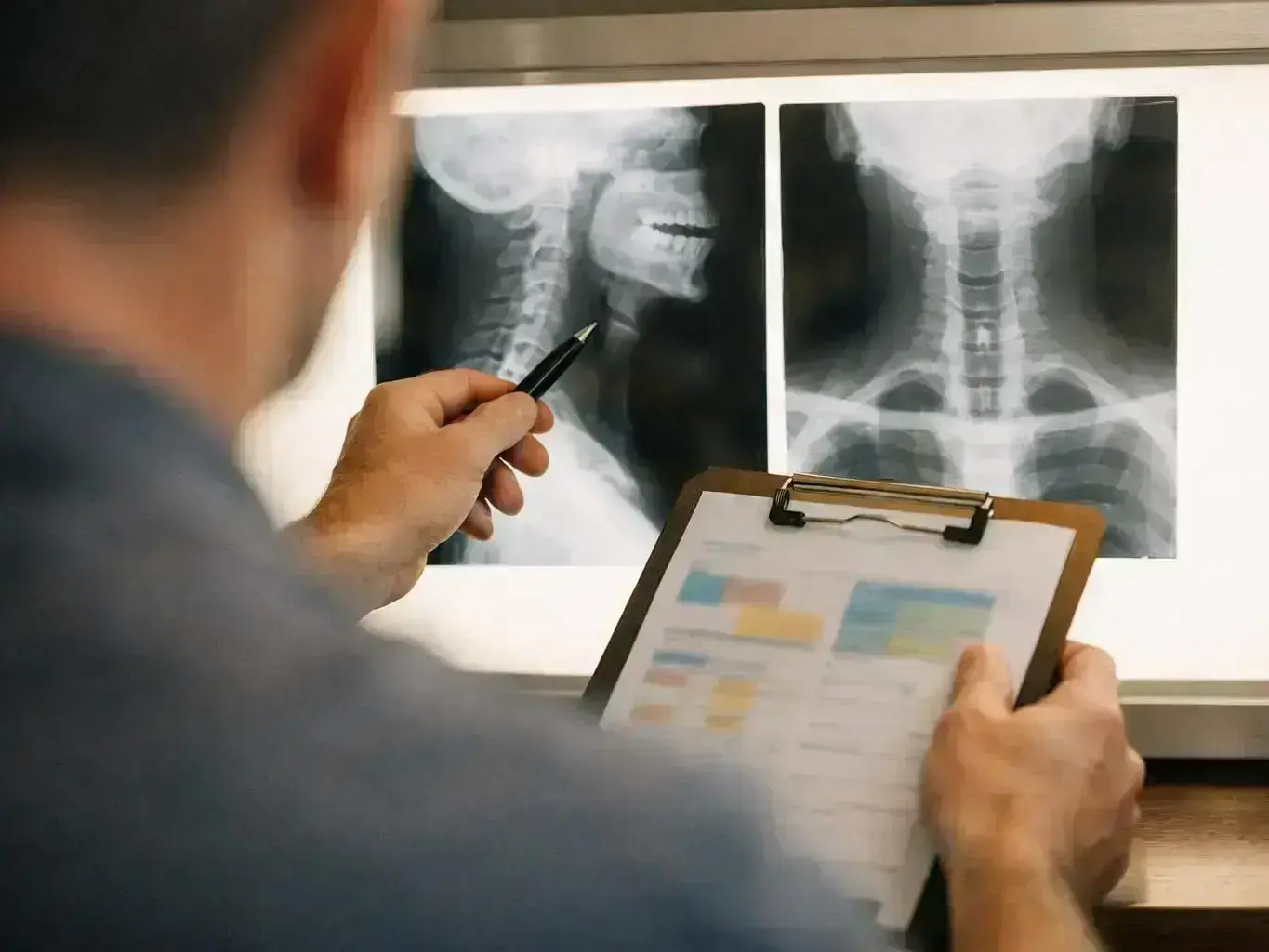
You can't see a concussion on X-rays. MRIs don't show them either. Doctors use other tests instead.
They check symptoms and balance. They also test thinking skills. This helps track healing.
First, they rule out worse injuries. These could be bleeding in the brain. Then, rest is key.
You must watch symptoms closely. Slowly, you return to normal life. This includes school, work. Or sports.
The goal is to heal fully. This avoids more injury. Healing can take days, weeks. Or months.
How Concussion Management Works?
Concussion care follows clear steps. The first step is rest. This means no sports or hard work.
Rest also means no screens. Don’t read or do hard thinking. This helps the brain heal.
As you feel better, light activity starts. Take short walks. Read a little bit.
Watch for symptoms to return. If they do, rest again. Wait until you feel steady.
When symptoms are gone, you can do more. Start with light exercise. Walk or stretch.
Next, try sport drills. Then, full practice. Each step must be symptom-free for a day.
Students may need help. They might get shorter school days. They may get extra test time.
Less screen time helps too. Doctors and therapists work together. They adjust the plan as you heal.
Tests and apps track progress. They show how well you’re doing. This keeps recovery safe.
Why Concussion Management Matters?
Good concussion care stops big problems. These can be long-lasting symptoms. They can even be brain damage.
A second concussion too soon can be deadly. This is called second-impact syndrome. It’s rare but very serious.
Untreated concussions can cause lasting issues. These include headaches and memory problems.
They can also cause mood problems. Anxiety and depression may happen. Good care lowers these risks.
Concussion care also protects your brain long-term. Many concussions can cause later problems.
One problem is CTE (brain disease). Following a recovery plan lowers this risk.
It also lowers the chance of more injury. This keeps athletes, students. And workers safe.
For doctors, it means fewer emergencies. It also means better results. The goal is to return to life safely.
When Concussion Management Matters Most?
Concussion care is key when the brain is at risk. Sports are a big place for this.
Football, soccer. And basketball are risky. Players often want to return fast. But rushing can cause harm.
Kids and teens need extra care. Their brains are still growing. They can have long-term effects.
Concussion care helps them return to school. They may need extra help. This keeps them safe.
Car crashes and falls can cause concussions. So can work injuries. These often involve insurance claims.
Doctors must track symptoms well. A chiropractor in McDonough, GA, may help. They treat neck and back injuries too.
Early and steady care speeds up healing. It also lowers risks. This is true for sports, school. And work.
Concussion care keeps you safe. It helps you heal fully. This is important for your health.