Understanding Ligament Sprain
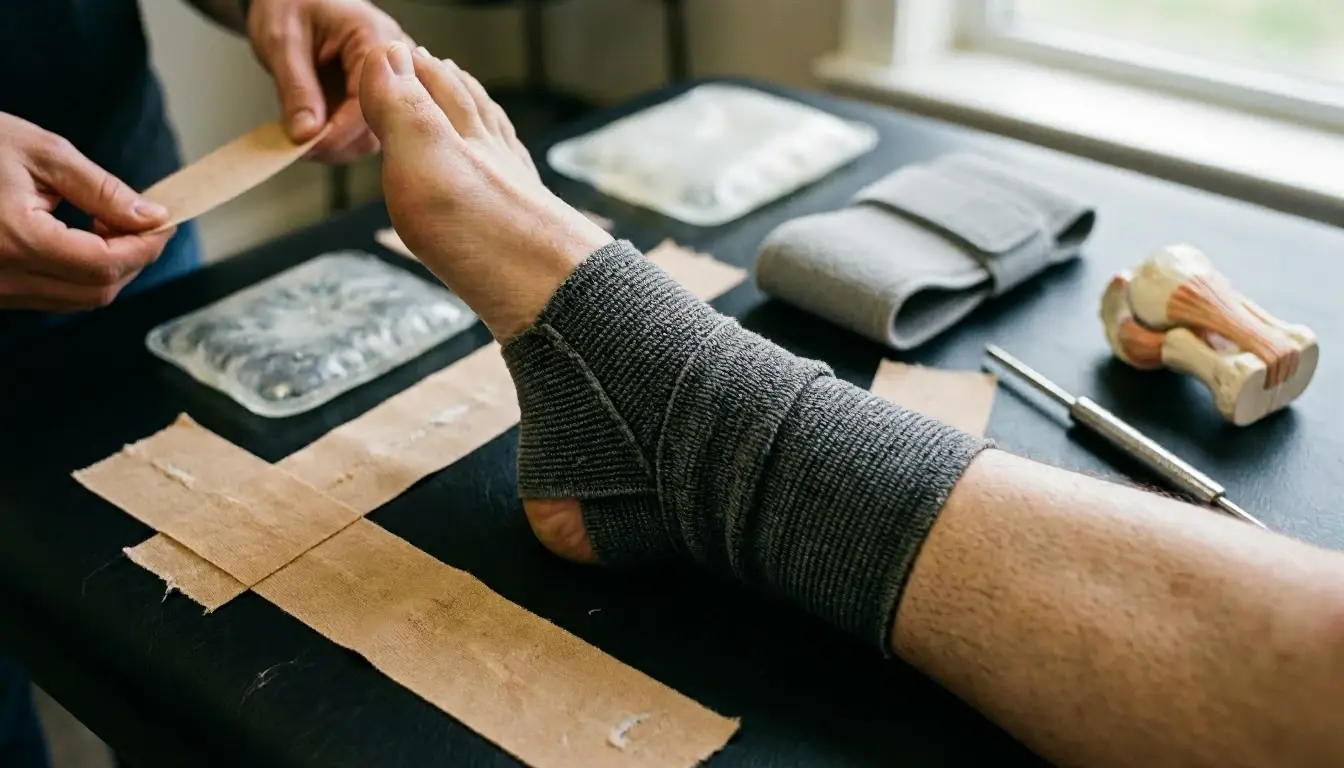
A ligament sprain is a common injury that affects the ligaments, which are strong bands of tissue connecting bones to other bones at joints. Ligaments help stabilize joints and prevent excessive movement. When a joint is forced into an unnatural position—such as twisting an ankle or landing awkwardly on a knee—the ligament can stretch too far or tear. This results in pain, swelling. And sometimes bruising around the affected joint.
Ligament sprains are graded based on severity. A Grade 1 sprain involves mild stretching of the ligament with minimal damage, causing slight pain and swelling but no joint instability. A Grade 2 sprain is a partial tear, leading to moderate pain, swelling, bruising. And some joint instability. A Grade 3 sprain is a complete tear, causing severe pain, significant swelling, bruising. And joint instability, often requiring medical intervention or even surgery. Most sprains occur in weight-bearing joints like ankles, knees. Or wrists. But they can happen anywhere ligaments exist.
How Ligament Sprain Works?
When a ligament is sprained, the injury triggers an immediate response in the body. The damaged tissue releases chemicals that cause inflammation, leading to swelling and pain. Blood vessels may also leak fluid into the surrounding area, causing bruising. In practical terms, the severity of these symptoms depends on the extent of the ligament damage. For example, a mild sprain may cause discomfort but allow some movement. While a severe sprain may make it impossible to use the joint without pain.
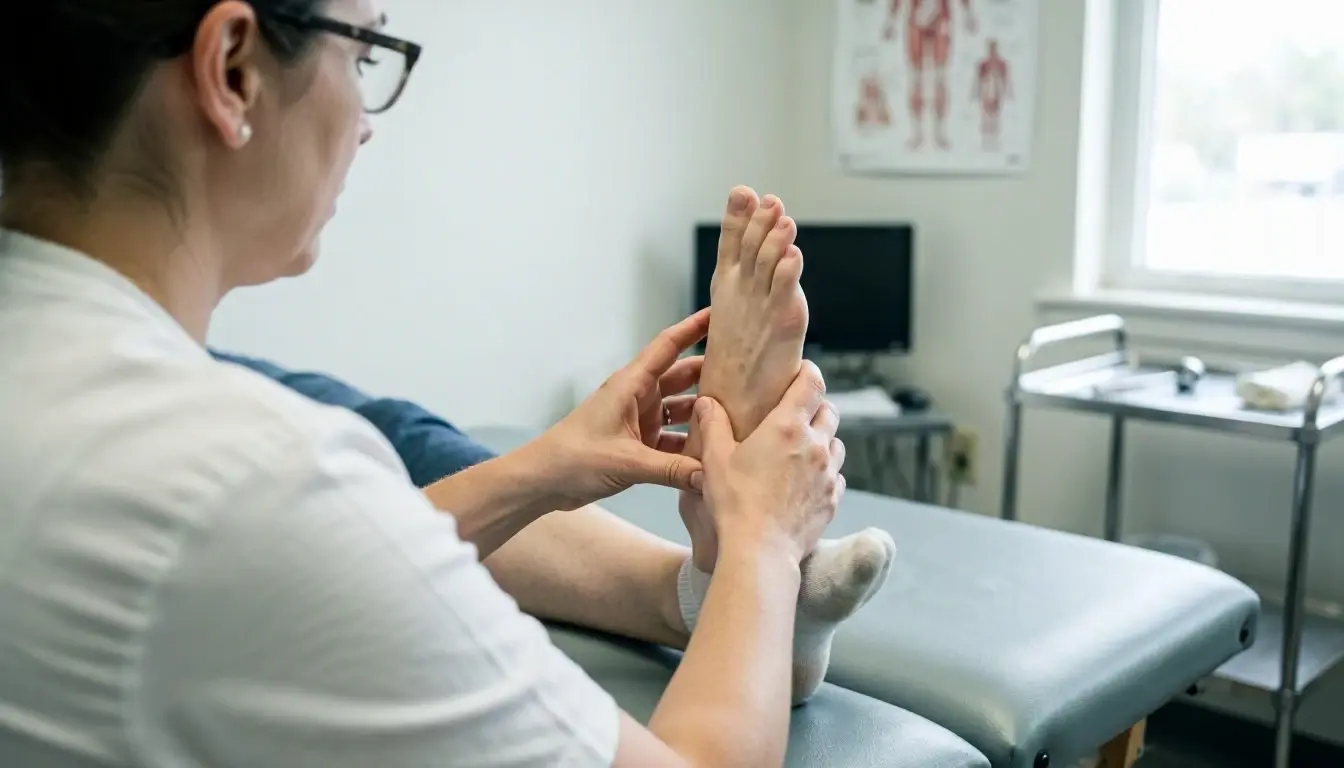
Diagnosing a ligament sprain typically involves a physical examination by a healthcare provider. They may check for swelling, tenderness. And joint stability. In some cases, imaging tests like X-rays or MRIs are used to rule out fractures or confirm the extent of ligament damage. Treatment depends on the grade of the sprain. Grade 1 and 2 sprains often heal with rest, ice, compression. And elevation (RICE), along with over-the-counter pain relievers. Physical therapy may help restore strength and flexibility. Grade 3 sprains may require immobilization with a brace or splint. And in rare cases, surgery to repair the torn ligament.
Why Ligament Sprain Matters?
Ligament sprains are more than just a temporary inconvenience. If not properly treated, they can lead to long-term joint instability, chronic pain. Or recurring injuries. For example, an untreated ankle sprain can weaken the joint, making it more susceptible to future sprains. In severe cases, repeated sprains can contribute to conditions like osteoarthritis, where the joint cartilage wears down over time. Proper diagnosis and treatment help ensure the ligament heals correctly, reducing the risk of complications.
For local customers, For athletes or active individuals, ligament sprains can sideline participation in sports or daily activities. Even minor sprains can limit mobility and affect performance. Understanding how to prevent sprains—such as warming up before exercise, wearing supportive footwear. And avoiding uneven surfaces - can help maintain joint health and reduce the risk of injury. Early intervention, like applying ice and resting the joint, can also speed up recovery and prevent further damage.
When Ligament Sprain Matters Most?
Ligament sprains are most concerning in situations where joint stability is critical. For example, athletes who rely on quick movements, such as basketball players or runners, are at higher risk of sprains due to the stress placed on their joints. Similarly, workers in physically demanding jobs, like construction or warehouse roles, may experience sprains from repetitive motions or accidents. Older adults are also more vulnerable, as ligaments naturally weaken with age, increasing the risk of injury from falls or missteps.
Certain activities or environments also raise the likelihood of sprains. Walking or running on uneven surfaces, wearing improper footwear. Or participating in high-impact sports without proper conditioning can all contribute to ligament injuries. And individuals with a history of sprains are more prone to re-injury, making prevention and proper rehabilitation essential. Recognizing the signs of a sprain, such as sudden pain, swelling. Or difficulty moving the joint, can help determine when to seek medical attention and avoid further damage.