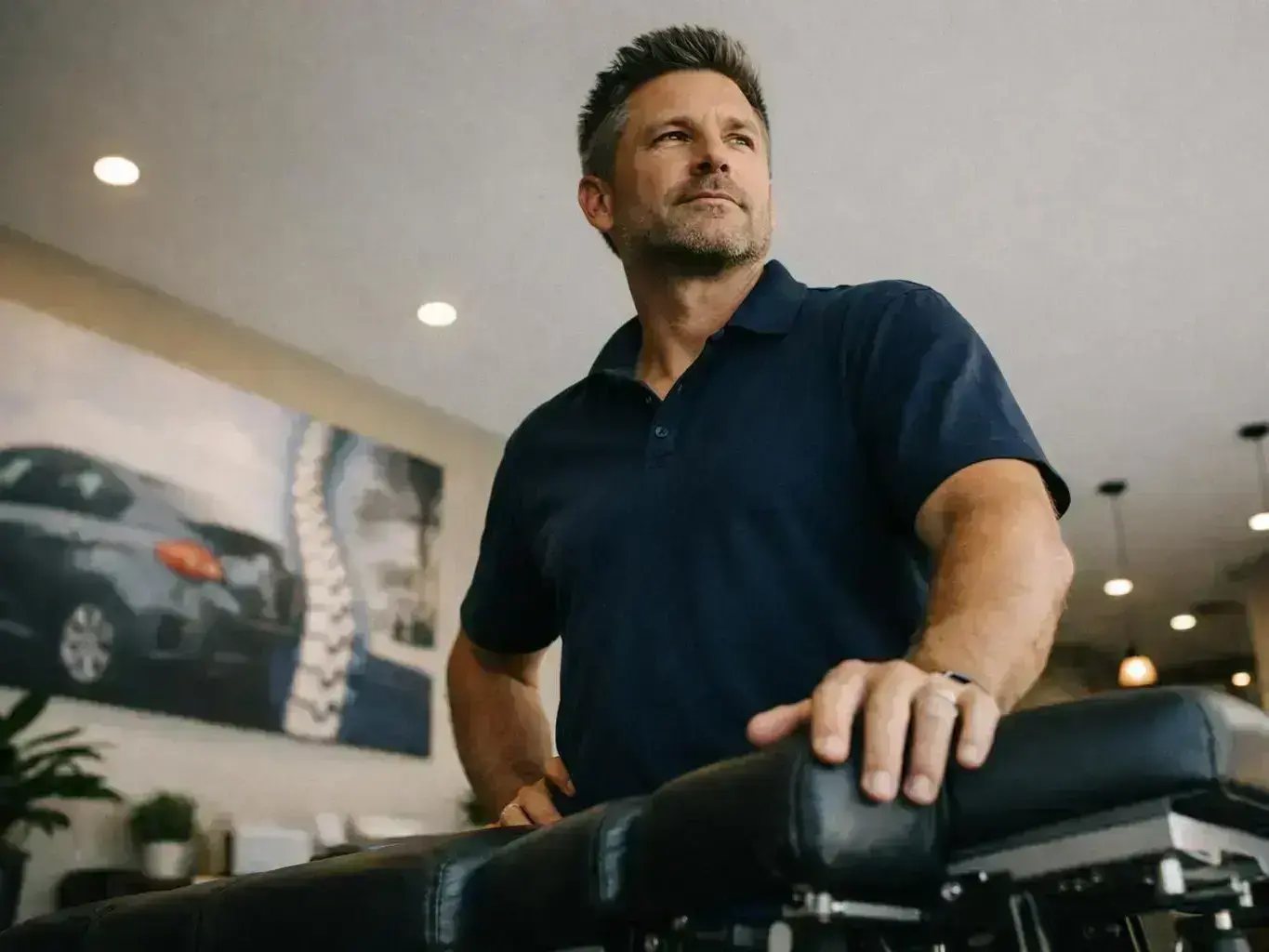
Understanding Manual Therapy
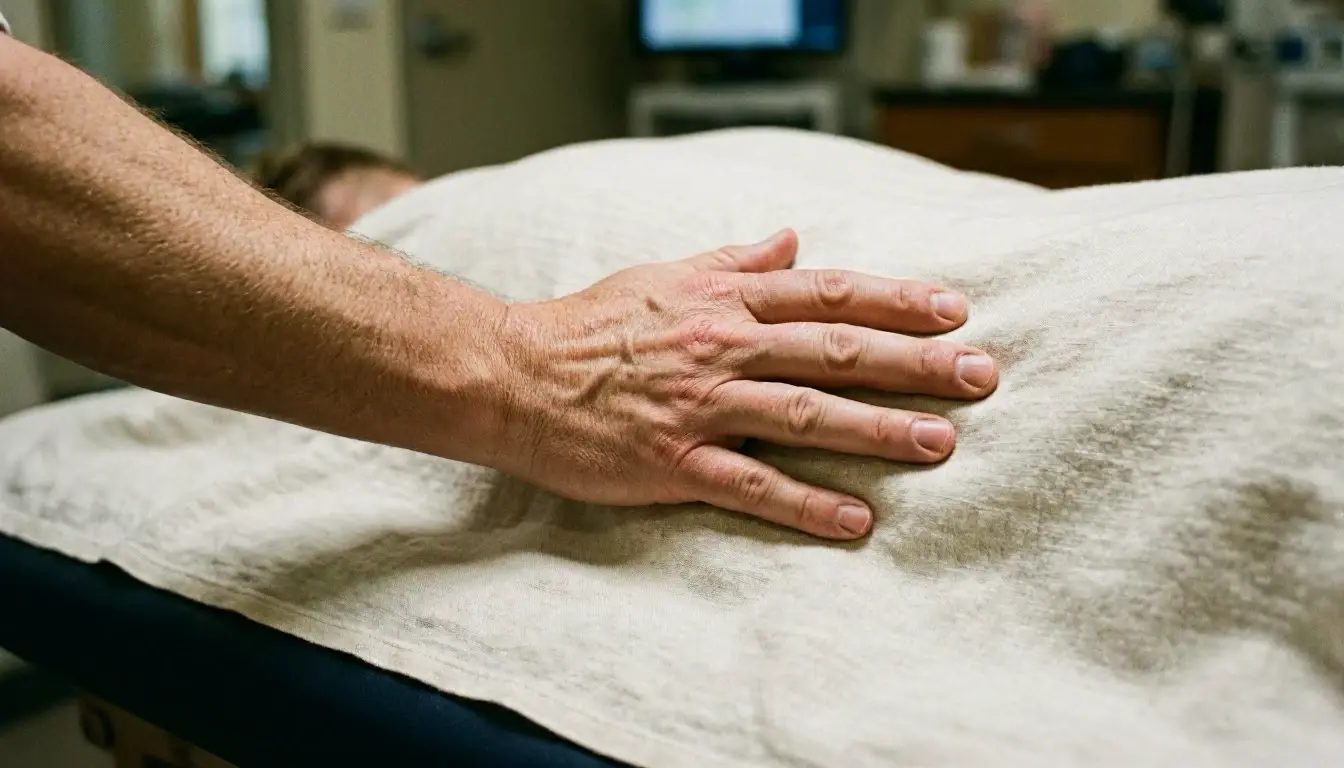
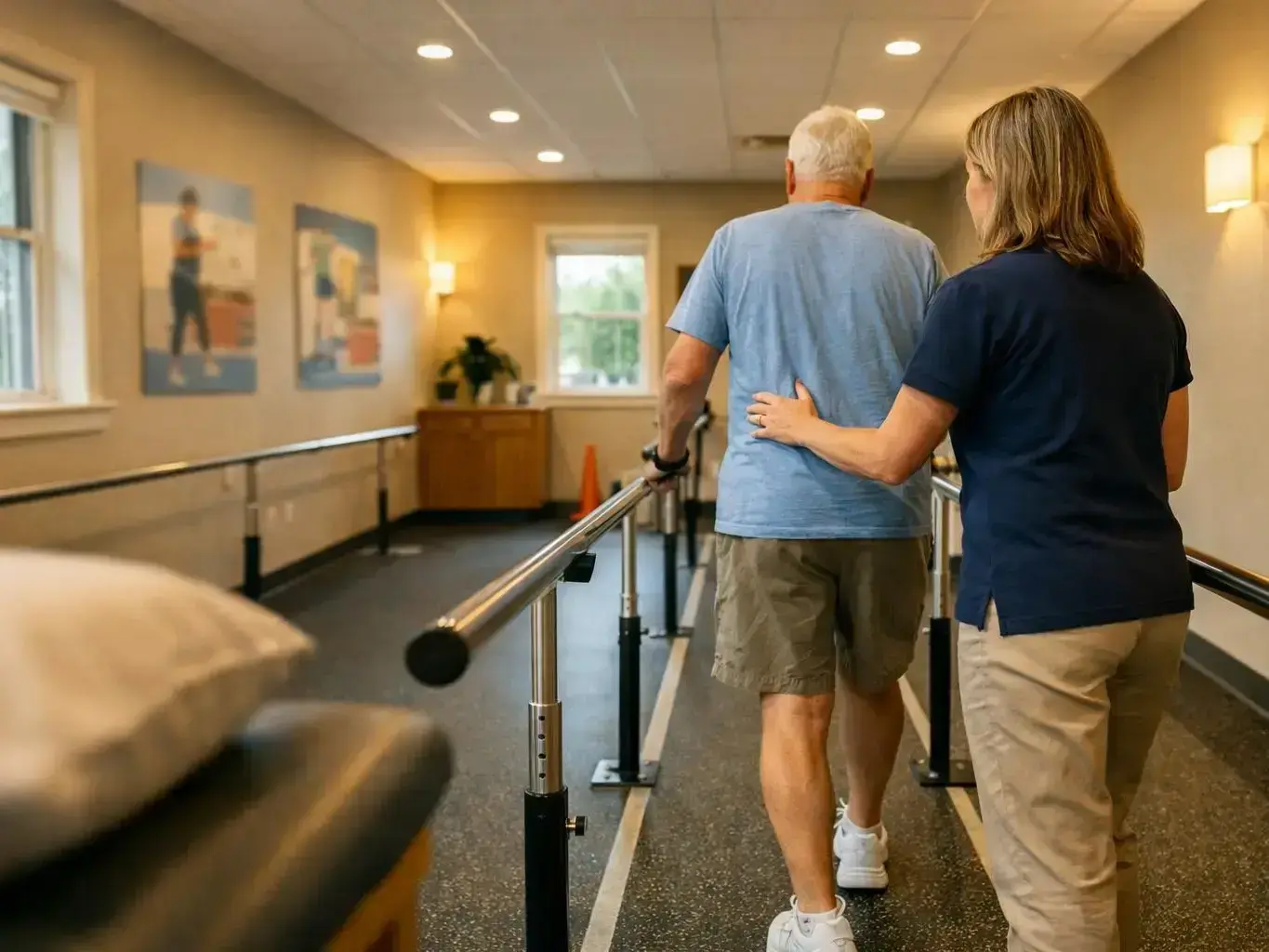
Manual Therapy is a special kind of physical treatment. Providers use their hands to help your body. They press, move. And push muscles, joints. And soft tissues.
It doesn't use medicine or surgery. It helps your body heal naturally. It improves blood flow and eases tension. It also helps you move better.
People use it for back pain and neck stiffness. It helps with joint problems and muscle strains too.
How Manual Therapy Works?
Providers use different Manual Therapy methods. The method depends on what you need. It also depends on the provider's training.
Joint mobilization is one method. It uses gentle, steady movements. These movements loosen stiff joints.
Spinal manipulation is another method. It uses quick, controlled pushes. This helps joints line up right.
Soft tissue methods help tight muscles. Myofascial release (soft tissue work) is one. Trigger point therapy (muscle knot relief) is another. These help reduce pain and improve flexibility.
Providers pick the best method for you. They check your condition first.
Manual Therapy helps with pain and stiffness. It works on the real cause of problems. Joints or muscles can get stuck from injury or bad posture.
This causes pain and swelling. It can make it hard to move. Manual Therapy helps break up tight spots.
It boosts blood flow too. It helps your nerves work better. This helps your body heal.
Joint mobilization helps joints move right. Soft tissue work eases tight muscles. These can both cause pain.
Providers check if Manual Therapy works. They look at how well you can move. They ask about your pain levels too.
They may use tools to measure joints. A goniometer (joint angle tool) is one. They may ask you to rate your pain.
Manual Therapy is often used with other treatments. It works well with exercises and posture fixes. It also works with patient education.
The provider feels changes in your body. They can change the treatment right away. This makes it very flexible.
Why Manual Therapy Matters?
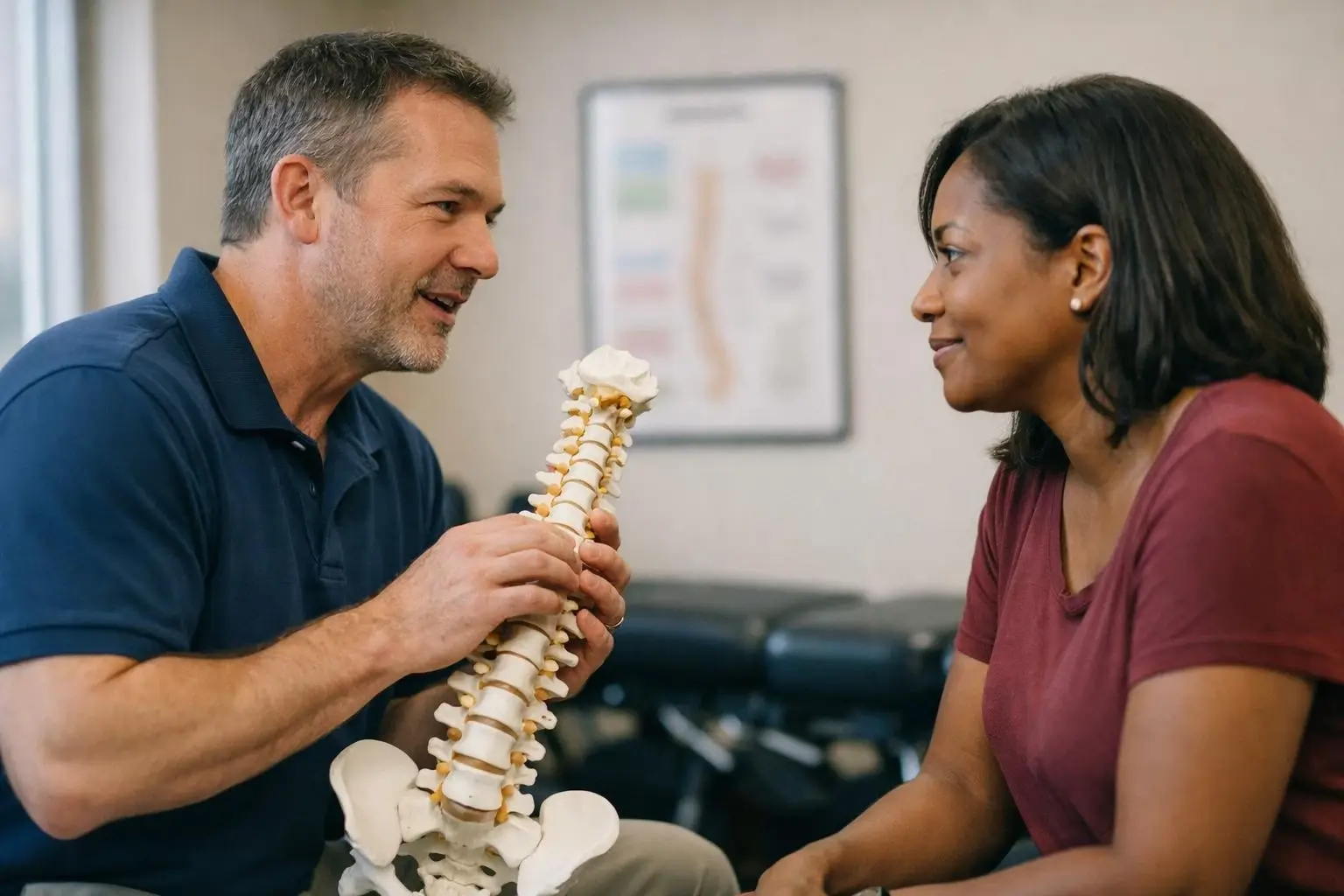
Manual Therapy is important for many. It helps without surgery or drugs. It can ease pain and help you move better.
Some people don't want surgery. Others don't want medicine. Manual Therapy can help both groups.
It works well for back pain and whiplash. It helps with repetitive strain injuries too. Long-term pain medicine isn't always best.
Manual Therapy fixes the real problem. It doesn't just hide pain. This leads to better, longer results.
Manual Therapy helps with recovery. It also helps prevent injuries. Athletes, office workers. And accident victims use it.
It helps get back strength and flexibility. It improves coordination too. A runner with a tight leg muscle may use it.
Myofascial release (soft tissue work) can help. It may stop knee pain. A worker with neck tension may use it too.
Joint mobilization and stretching can help. This eases neck pain. Manual Therapy helps you move better.
It reduces swelling too. This helps you do daily tasks with less pain. It also lowers the chance of getting hurt again.
When Manual Therapy Matters Most?
Manual Therapy helps when pain stops you. It helps when stiffness stops you too. It works for many daily problems.
It helps after car accidents. It helps with arthritis pain. It helps with sprains and strains too.
It helps people with bad posture. This can come from sitting too long. It can come from lifting heavy things too.
A worker with back pain may use it. Spinal manipulation can help. Soft tissue work can help too.
A student with headaches may use it. Neck mobilization can help. Stretching can help too.
Some people don't get better with medicine. Others don't get better with rest. Manual Therapy can help them.
It works well with other treatments. It can be used with exercise or ultrasound. This can make results better.
But it's not for everyone. People with broken bones shouldn't use it. People with infections shouldn't either.
Those with very weak bones shouldn't use it. A provider will check if it's safe for you. They'll see if it's the right choice.