Understanding Muscle Strain
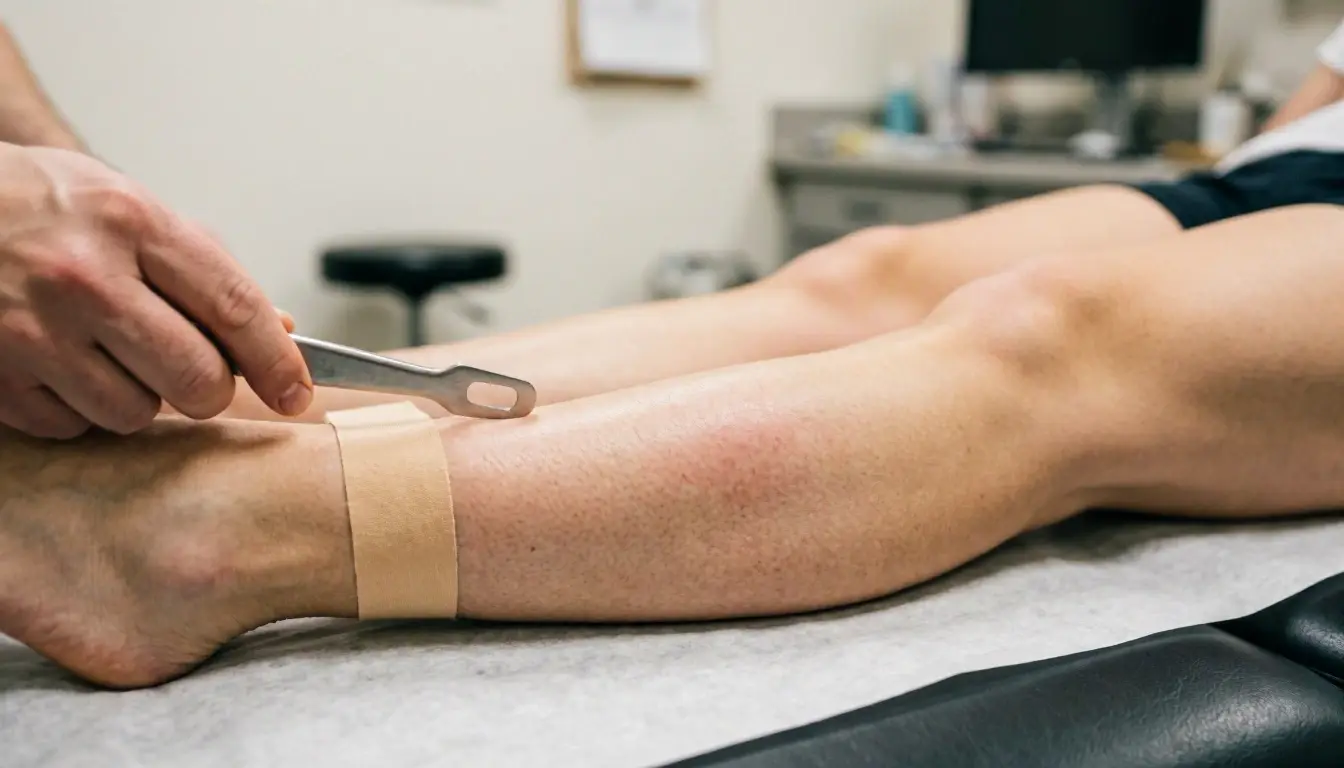
A pulled muscle is also called muscle strain. It happens when muscles stretch too far. They can also tear.
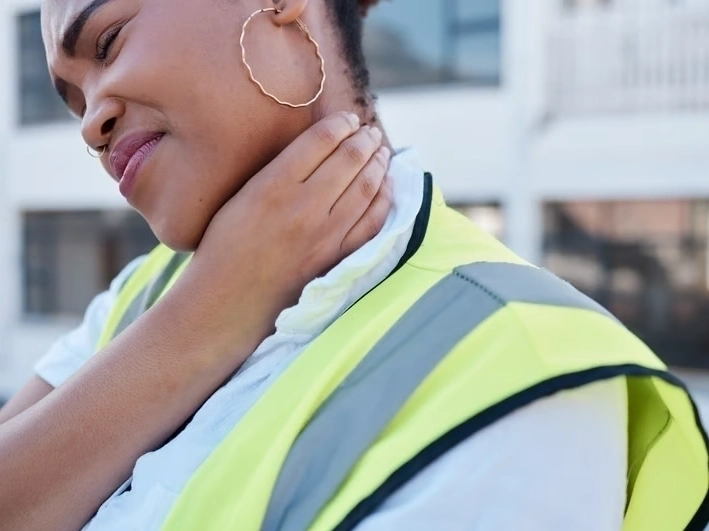
This injury can happen in any muscle. It's most common in the lower back. It also happens in the neck, shoulders. And legs.
Strains come from sudden moves or lifting heavy things. Doing the same motion over and over causes them too. Bad posture can also lead to strains.
Soreness from exercise feels different. Strains cause sharp pain. They can make it hard to move right away.
Doctors grade strains from 1 to 3. Grade 1 strains are mild. They cause a little pain and stiffness.
Grade 2 strains mean the muscle is partly torn. They cause more pain and swelling. You might feel weak too.
Grade 3 strains mean the muscle is fully torn. They cause bad pain and bruising. You won't be able to use the muscle.
Most strains get better with rest. Some need a doctor's help.
How Muscle Strain Works?
Muscles move by tightening and loosening. If they stretch too fast, they can tear. This hurts small blood vessels.
Blood leaks out and causes swelling. The body sends extra fluid to fix it. This makes the area hurt more.
Nerves in the muscle get upset too. That makes the pain even worse.
Strains often happen during fast moves. Sprinting or jumping can cause them. Lifting heavy things can too.
Not being in shape raises your risk. So does being tired. Not warming up first is bad too.
Doing the same motion over and over hurts muscles. Typing, throwing. Or running can cause this. It happens over time.
Knowing this helps you prevent strains. You can work on your form. Getting in shape helps too.
Why Muscle Strain Matters?
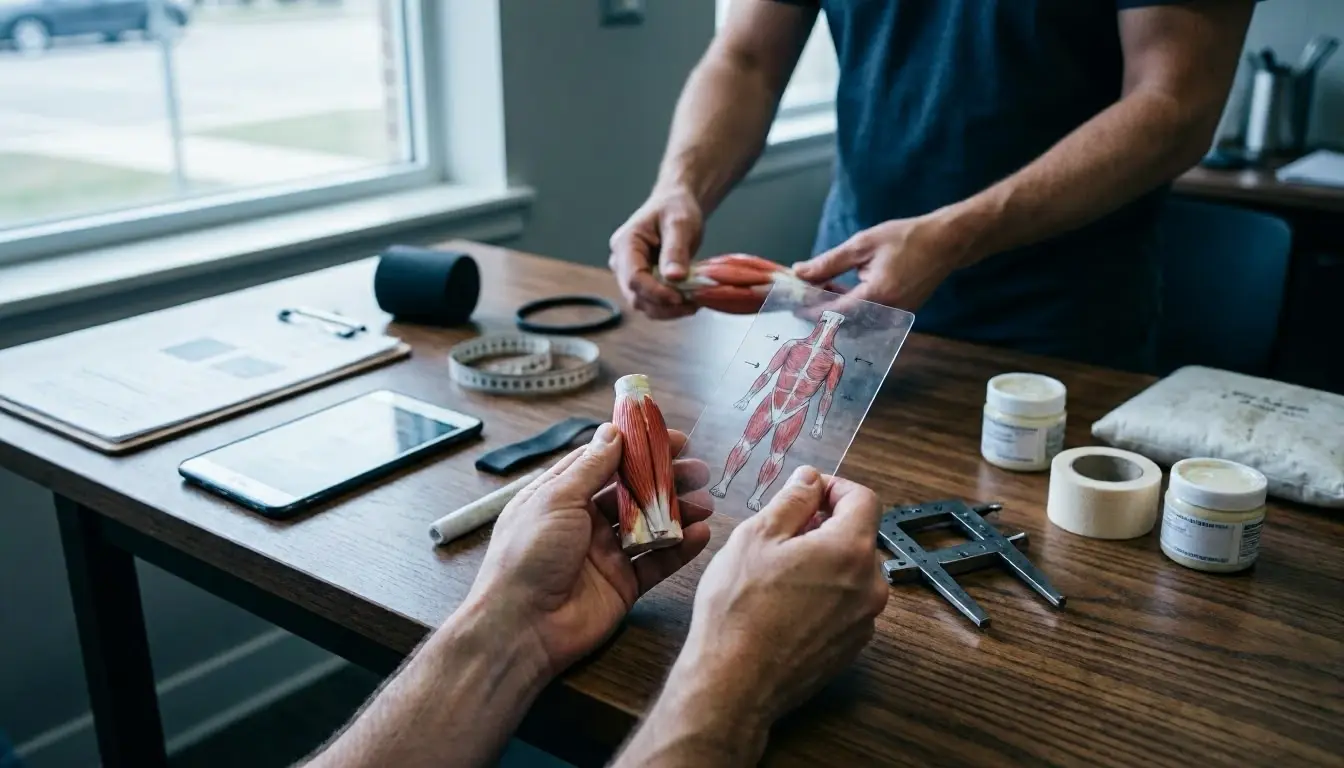
Muscle strains make daily life harder. Even small strains can hurt. They make moving tough.
Simple things like walking or bending can hurt. Lifting things can be hard too.
Athletes might miss games or practice. Strains can slow them down.
Jobs with lots of moving can be hard. Strains can make work slower. They can cause more injuries too.
Not treating strains can cause long-term pain. Muscles might not heal right. Scar tissue can form.
Scar tissue makes muscles stiff. It can make them weak too. This makes getting hurt again easier.
Good treatment helps muscles heal. It makes them strong again. It stops future problems.
When Muscle Strain Matters Most?
Muscle strains matter in sports and work. Athletes, builders. And warehouse workers get them often.
They do the same moves over and over. They lift heavy things too. This raises their risk.
Weekend warriors get strains too. They exercise hard after sitting a lot. Their muscles aren't ready.
Spotting strains early helps. Pain or stiffness can be a sign. Getting help fast means healing faster.
Strains matter in daily life too. Older people get them more. So do people who sit a lot.
Bad posture can cause strains. So can sitting too long. Weak muscles make it worse.
Simple things can cause strains. Gardening or carrying groceries can too. Playing with kids can as well.
Fixing muscle problems helps. Exercise makes muscles stronger. It makes you more flexible too.