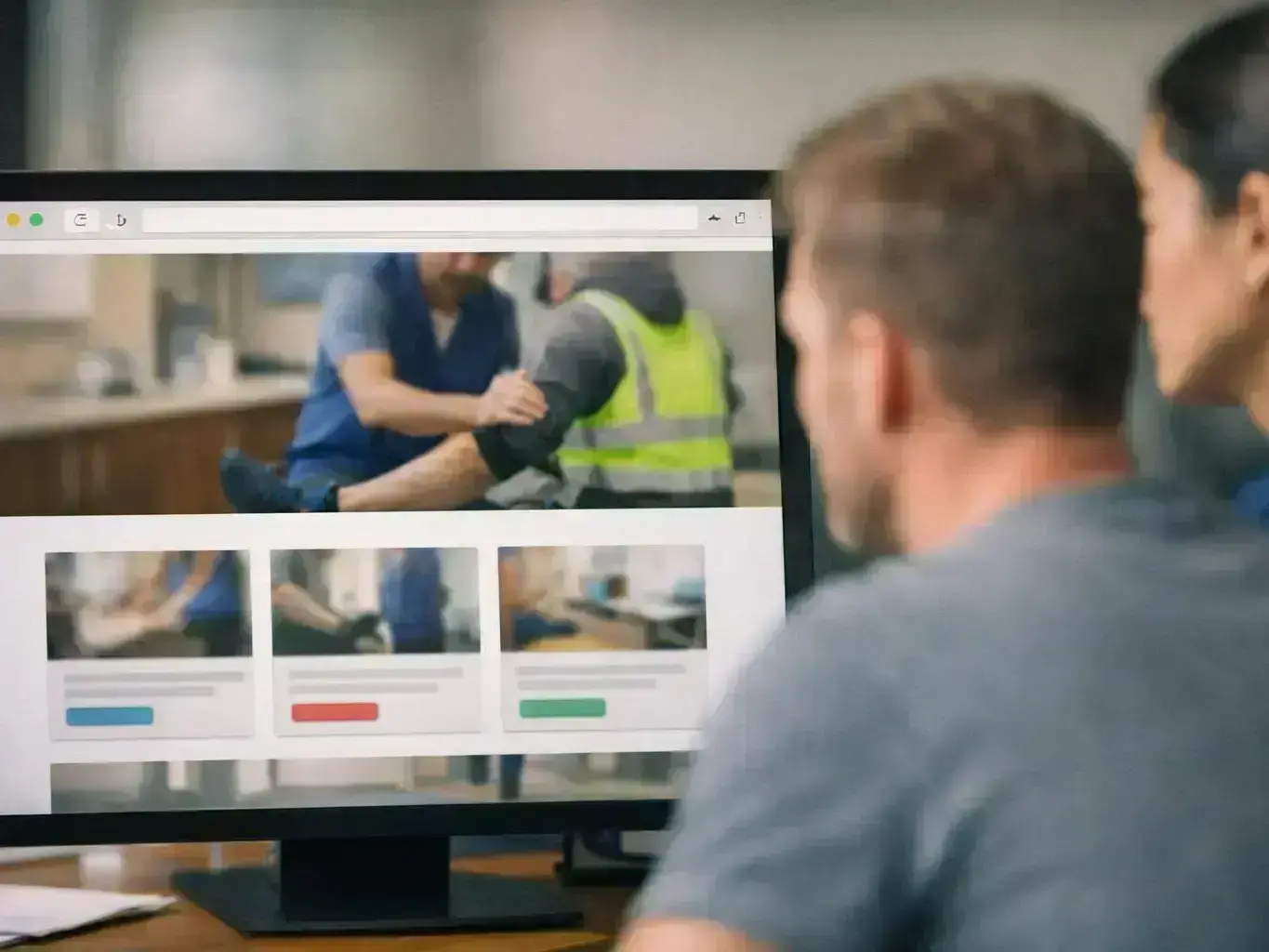
Understanding Soft Tissue Therapy
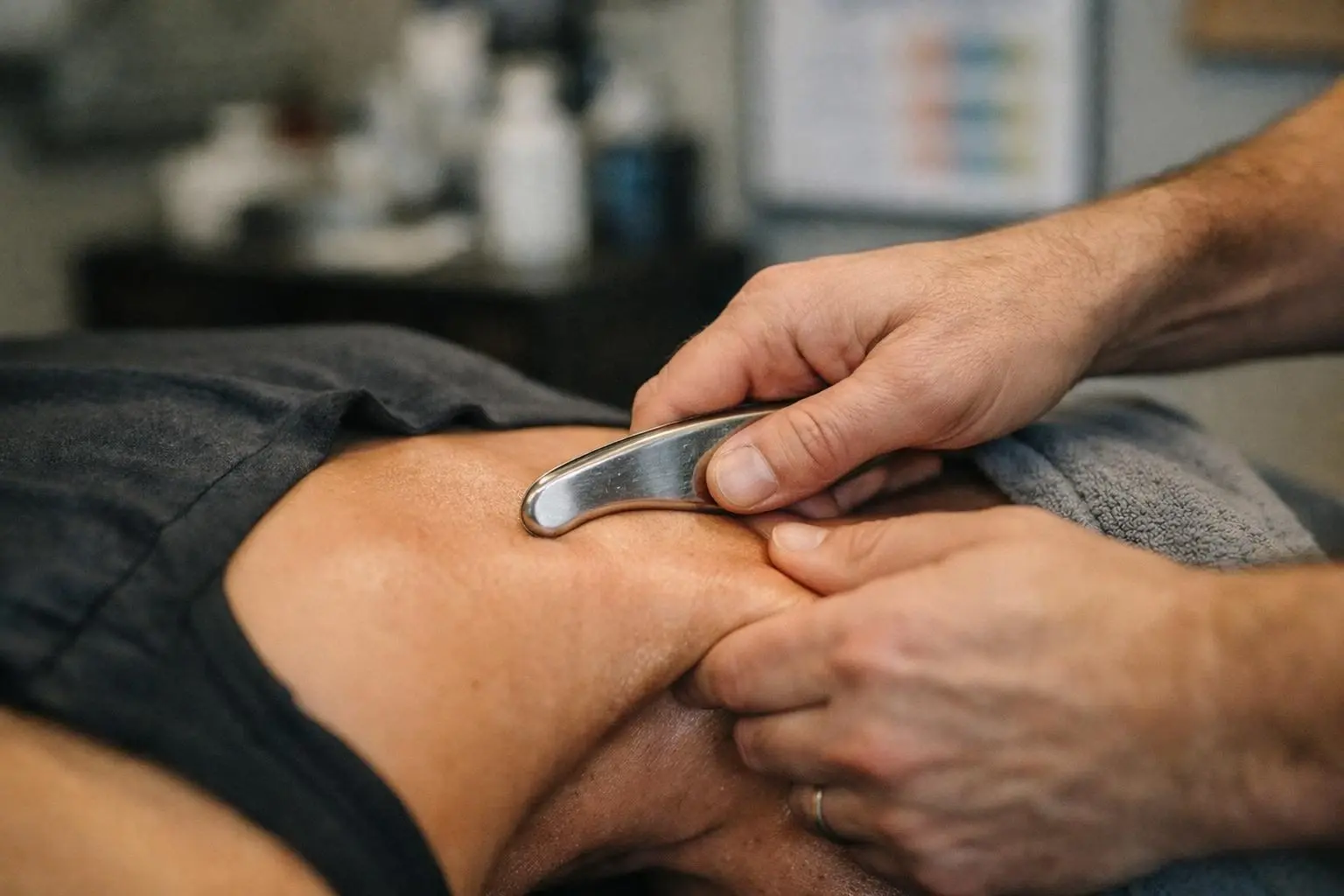
Soft Tissue Therapy helps your body's soft parts. These parts are muscles, tendons, ligaments. And fascia (a thin layer under the skin).
It is not like a regular massage. It fixes pain, stiffness. Or trouble moving. These problems come from injuries or overuse.
The therapy boosts blood flow. It cuts swelling. It helps your body heal itself.
Soft tissues hold your body together. They let you move and work. If they get tight or hurt, they cause pain.
This therapy uses pressure and stretching. It loosens tight spots. It breaks up scar tissue (hard spots from old injuries).
It works well with chiropractic care. That way, it helps both joints and soft parts.
How Soft Tissue Therapy Works?
Soft Tissue Therapy uses many methods. Each method fits the patient's needs.
One way is deep tissue massage. It uses firm pressure. It reaches deep muscles and fascia.
This helps with long-term tightness. It breaks up scar tissue. Scar tissue forms after injuries or too much use.
Another way is myofascial release. It stretches the fascia. Fascia wraps around muscles and organs.
This makes you more flexible. It also cuts pain.
Trigger point therapy finds tight knots. These knots can cause pain in other spots.
Active release technique (ART) is another method. It mixes movement and pressure. It treats soft tissue injuries.
These methods help with muscle strains. They help with sprains, tendonitis (swollen tendons). And bad posture.
The therapist checks your problem. Then they pick the best method for you.
Soft Tissue Therapy happens in a clinic. A trained person does it. This can be a chiropractor, therapist. Or massage expert.
You might need more than one visit. It depends on how bad your problem is. Some people feel better right away.
Others need more care. This helps them stay better longer.
Why Soft Tissue Therapy Matters?
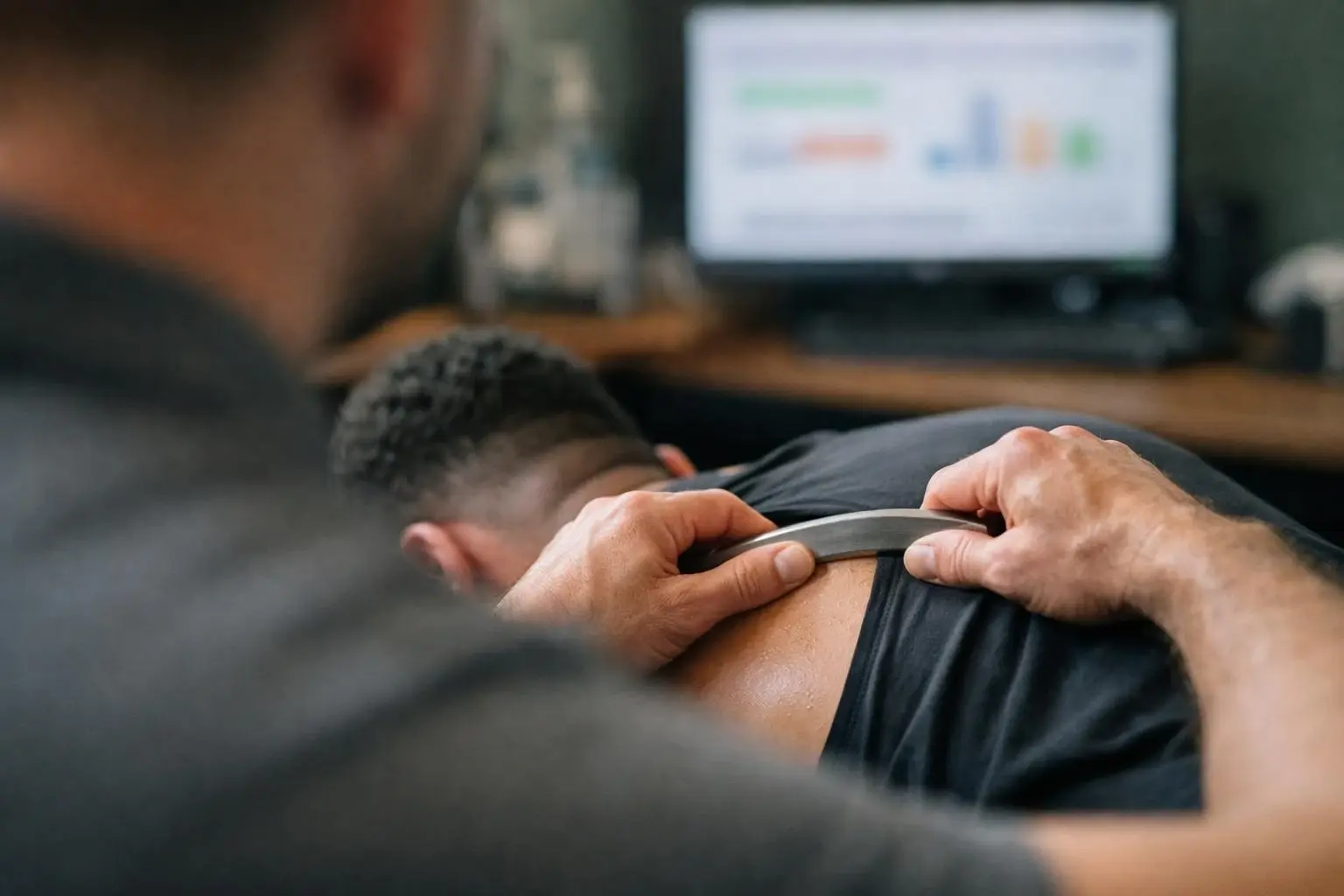
Soft Tissue Therapy helps with pain. It also helps you move better. This is good for muscle and bone problems.
Medicine only hides pain. This therapy fixes the real cause. It helps your body heal.
It is great for athletes. It helps workers with hard jobs. It also helps people after injuries or surgery.
It does more than stop pain. It boosts blood flow. It cuts swelling.
This helps injuries heal faster. It makes you move easier. It also stops future injuries.
It fixes weak or uneven soft parts. People with arthritis or fibromyalgia (long-term pain) feel less stiff.
It makes their life better.
When Soft Tissue Therapy Matters Most?
Soft Tissue Therapy helps with pain. It helps with stiffness. It helps when you can't move well.
These problems come from injuries or too much use. They can last a long time.
It treats muscle strains. It treats sprains. It treats tendonitis (swollen tendons) and bad posture.
Athletes use it to heal from sports injuries. It helps them play their best.
Office workers use it too. It helps with pain from sitting too long. It helps with pain from doing the same thing over and over.
It helps people after surgery or accidents. It cuts down scar tissue. It helps you move better.
People with long-term pain use it. This includes arthritis or fibromyalgia (long-term pain). It gives them less pain and stiffness.
It is part of many treatment plans. These include sciatica (nerve pain), carpal tunnel (wrist pain). And plantar fasciitis (foot pain).
In McDonough, GA, it is part of chiropractic care. It helps people heal from injuries. It helps with long-term pain.
Chiropractors mix it with spinal adjustments. This helps both joints and soft parts. It gives full care for muscle and bone health.