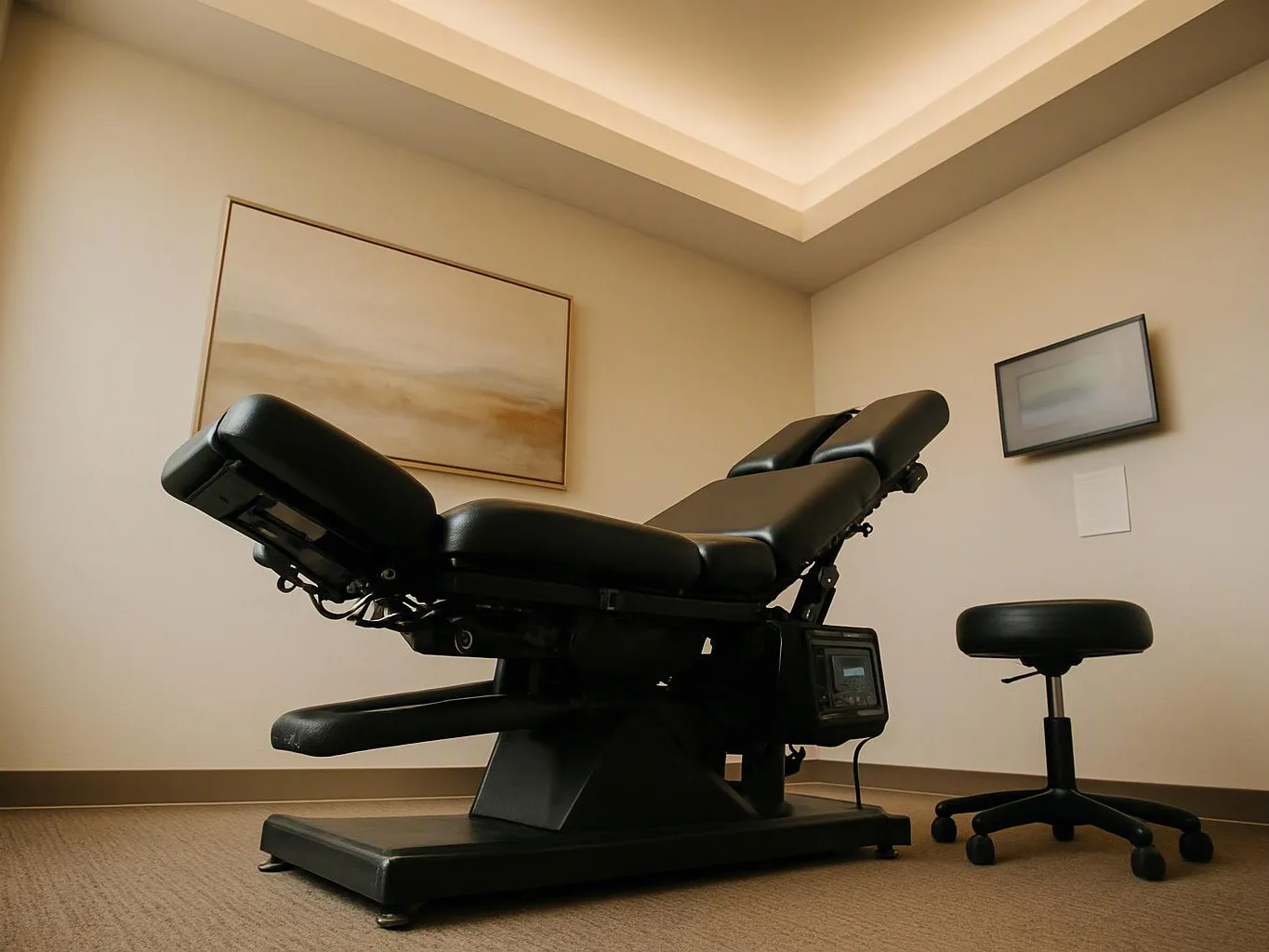
Chiropractic Care for Tension Headaches and Neck-Related Head Pain
Chiropractic care for tension headaches and neck-related head pain may help when neck joints, muscles, posture, or movement contribute to symptoms. Arrowhead Clinic Chiropractor McDonough evaluates the headache pattern and neck function before recommending chiropractic adjustment, myofascial release therapy, or related headache treatment.
Written by Dr. Robbyn Keating, DC
Get a Free Estimate
Tension headache care starts with understanding how the head, neck, and upper back work together. We use a clinical assessment to identify whether the symptoms fit conservative care or need medical referral.
Author: Dr. Robbyn Keating, DC
What Are Tension Headaches and Neck-Related Head Pain?
Tension headaches are head pain patterns commonly associated with muscle tension or sensitivity, while neck-related head pain begins or is influenced by structures in the neck.
A tension-type headache may feel like pressure or tightness around the temples, forehead, or back of the head. A cervicogenic headache is a form of neck-related head pain that begins in the cervical spine or surrounding neck muscles and refers pain toward the head.
We assess the neck joints, muscles, upper back, and movement pattern to see whether the cervical spine may be contributing to the symptoms.
What Symptoms Can Point to a Tension Headache?
Tension headache symptoms often involve pressure, muscle tightness, and sensitivity around the head and neck. We ask how each symptom begins, changes, and affects daily activity.
Symptoms can overlap with other headache conditions. Our team uses the full symptom pattern to guide the next step.
What Commonly Causes Tension Headaches and Neck-Related Pain?
Muscle tension and restricted movement can increase stress on the neck and surrounding tissues. We look for contributing habits and movement limits during the assessment.
These factors do not explain every headache. We connect the suspected cause to the examination findings before recommending care.
How Does a Chiropractor Evaluate Headache and Neck Symptoms?
A chiropractor evaluates the headache pattern, neck movement, posture, muscle tension, and warning signs before deciding whether chiropractic care is appropriate.
We begin with a headache history that covers onset, location, triggers, changes, and related symptoms. Our team then checks neck range of motion, posture, muscle tenderness, and movement quality.
A neurological screening helps us identify signs that may require medical evaluation. When the findings do not fit chiropractic care, we recommend appropriate clinical referral or medical referral.
Which Chiropractic Treatments May Help Neck-Related Head Pain?
Chiropractic treatment for neck-related head pain may combine targeted adjustment, myofascial release therapy, movement guidance, and posture-focused care based on the evaluation.
Our team selects care according to the symptom pattern, neck mobility, tissue sensitivity, and patient goals.
| Care option | How it may support care |
|---|---|
| Chiropractic adjustment | Addresses selected joint and movement findings in the neck or upper back. |
| Myofascial release therapy | Works with sensitive or tense soft tissues around the neck, shoulders, and upper back. |
| Mobility exercise | Supports comfortable neck movement and helps build better movement habits. |
| Posture guidance | Addresses workstation position, screen habits, and other ergonomic factors. |
These options may form part of a broader Neck Pain Treatment or Headache Treatment plan when the findings support that approach.
What Happens During Chiropractic Care for Tension Headaches?
Chiropractic care begins with an assessment, continues with a treatment plan suited to the findings, and includes follow-up review of symptoms and movement.
Care decisions remain connected to the findings from each visit. We also explain when medical evaluation is more suitable.
Which Prevention Steps Can Reduce Neck-Related Headache Triggers?
Headache prevention focuses on reducing strain, supporting neck mobility, and noticing patterns that raise symptoms. We help you connect daily habits with your symptom response.
Small changes may be useful when they match your symptoms and physical findings. We can adjust the guidance when a movement increases discomfort.
When Should Headache Symptoms Receive Medical Evaluation?
Headache symptoms need prompt medical evaluation when they are sudden or severe, follow an injury, or occur with neurological changes, fever, or significant vision symptoms.
Warning signs include a sudden severe headache, headache after a head injury, fever, weakness, numbness, confusion, fainting, or new vision changes. A new or worsening headache also needs medical evaluation when it does not match your usual pattern.
We do not begin routine chiropractic care when symptoms suggest urgent medical attention. Seek immediate medical help for serious or rapidly changing symptoms.
Is Chiropractic Care Appropriate for Your Headache Pattern?
Chiropractic care may be appropriate when headache symptoms are linked with neck stiffness, restricted movement, posture, or muscular tension and no warning signs require medical care.
Our team considers whether the pattern fits a tension headache or neck-related head pain. We also consider a migraine differential because migraine symptoms can require a different evaluation and treatment path.
Care suitability depends on the clinical assessment and your patient goals. Arrowhead Clinic Chiropractor McDonough explains the findings and recommends care only when the approach fits the headache pattern.
Questions About Tension Headaches and Neck-Related Pain
Can a chiropractor help with tension headaches?
Yes, chiropractic care may help tension headaches when neck movement, posture, or muscle tension contributes to the symptoms. Arrowhead Clinic Chiropractor McDonough evaluates the headache pattern before recommending adjustment, myofascial release therapy, or related care.
Can neck problems cause headaches behind the eyes?
Yes, neck problems can refer pain toward the face or area behind the eyes, but that pattern can also have other causes. We review the symptom pattern and warning signs before deciding whether chiropractic care is appropriate.
What is the difference between a tension headache and a migraine?
A tension headache is commonly linked with pressure, tightness, or muscle sensitivity, while a migraine may include a stronger pattern of sensory sensitivity and other symptoms. Our clinical assessment helps identify whether the presentation fits conservative neck care or needs medical evaluation.
Can poor posture contribute to neck-related head pain?
Yes, poor posture can increase strain on the neck muscles and contribute to neck-related head pain. We assess posture, movement, and workstation habits to guide appropriate care.
When should I stop chiropractic care and seek medical attention for a headache?
Stop chiropractic care and seek medical attention when a headache is sudden or severe, follows an injury, or occurs with fever, neurological symptoms, vision changes, or a new worsening pattern. We also recommend medical evaluation when symptoms do not fit the findings from the clinical assessment.
Discuss Your Headache and Neck Symptoms With Our Team
Arrowhead Clinic Chiropractor McDonough can review your headache history, neck function, and care goals to determine whether chiropractic care fits your symptoms. Contact our team to discuss the next step and request an estimate for recommended care.
Get a Free Estimate