
What Is Kyphosis?
Kyphosis is an increased outward curve of the upper spine that can create a rounded back appearance. The curve usually involves the thoracic spine, which lies between the neck and lower back. Kyphosis may relate to posture, spinal shape, vertebral changes, or other health conditions, so assessment considers the person’s age, symptoms, and movement.
Quick Facts About Kyphosis
Category
Spinal curvature
Used for
Describing upper-back curvature
Common confusion
Kyphosis is not scoliosis
Also called
Rounded upper back, Hyperkyphosis
Often discussed with
Pediatric Chiropractic Care
Key Takeaways About Kyphosis
- Kyphosis affects the spine’s outward curve, usually in the upper back.
- Postural kyphosis may change with position or movement.
- Kyphosis is not the same condition as scoliosis.
How Kyphosis Works
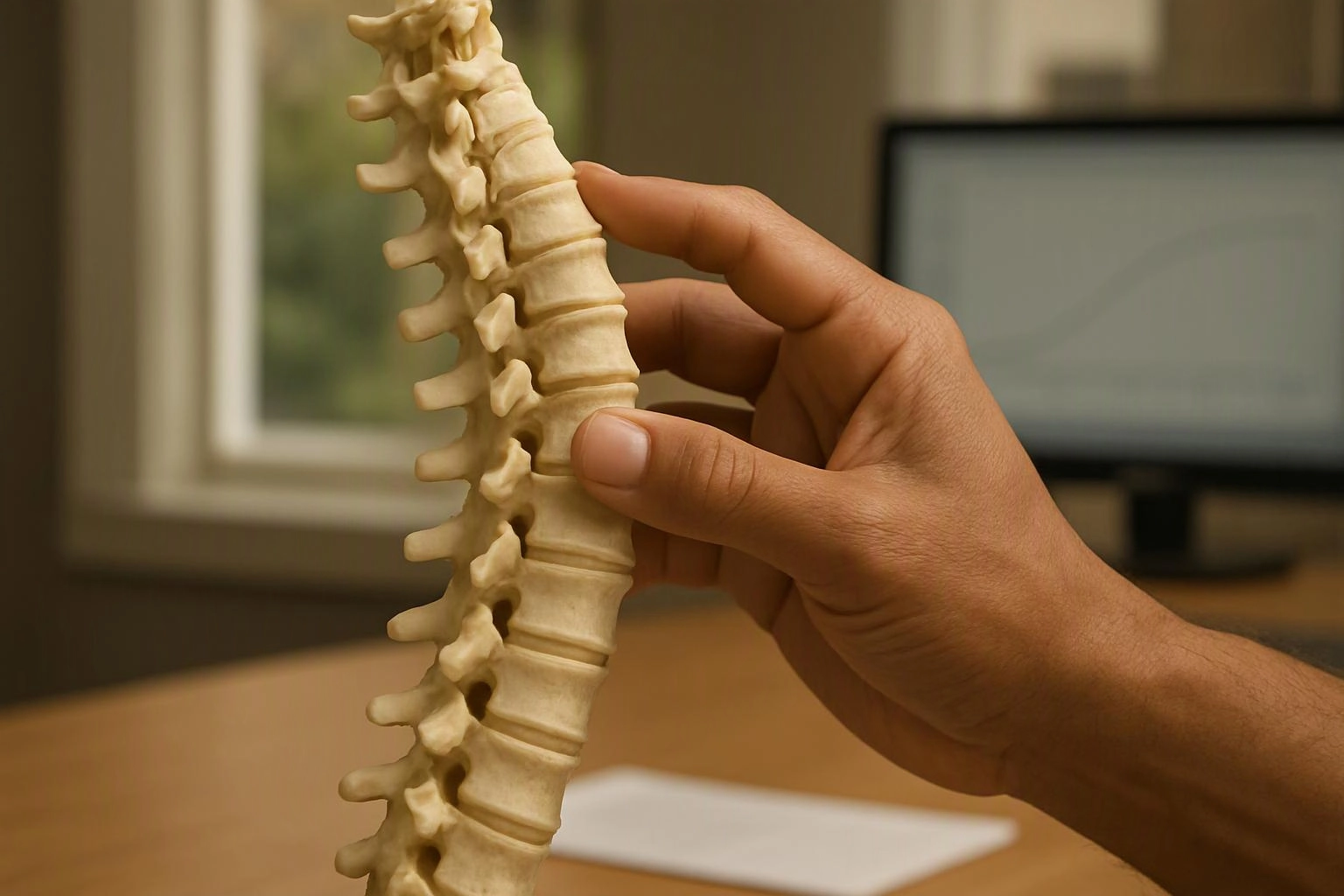
Kyphosis describes the way the upper spine curves outward when viewed from the side. The thoracic vertebrae normally form a gentle curve, which helps the spine support the head and distribute body weight. A more pronounced curve can affect posture and may change how the back moves.
Related glossary terms: Thoracic Spine, Posture, Scoliosis.
Clinicians assess kyphosis by observing standing posture, spinal movement, muscle balance, and related symptoms. A flexible curve may lessen when a person changes position, while a more fixed curve may reflect changes in the vertebrae or spinal structure. Posture can contribute to a flexible pattern, but posture alone does not explain every case. Scoliosis involves a side-to-side spinal curve and rotation, so it describes a different alignment pattern.
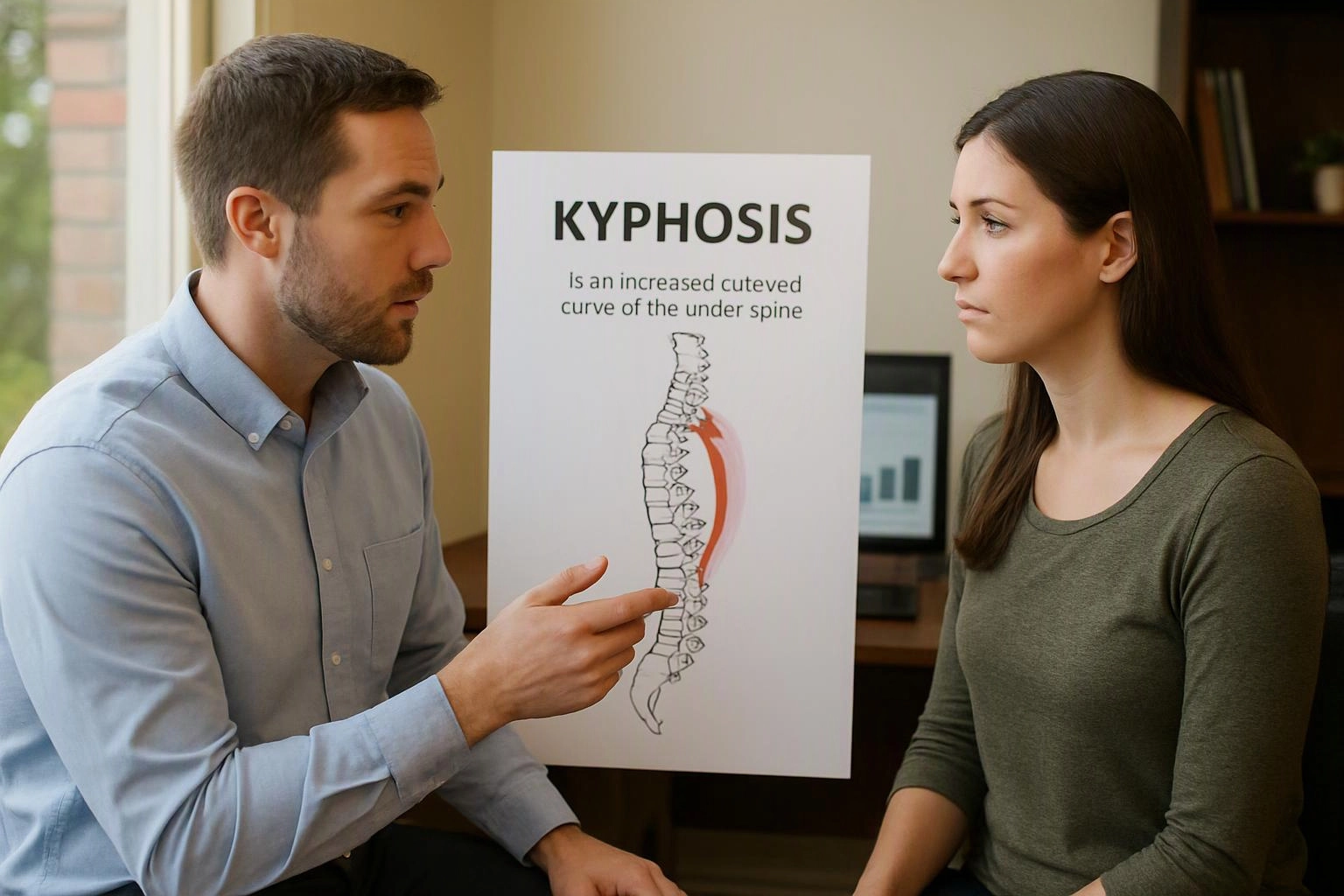
From the Arrowhead Clinic Chiropractor McDonough team
When we assess kyphosis during Pediatric Chiropractic Care, we observe posture, spinal motion, and muscle balance in an age-appropriate way. We also ask about discomfort, activity changes, and relevant health history. Our findings help distinguish a flexible postural pattern from concerns that may need evaluation by another healthcare professional.
Kyphosis in Practice: A Real-World Example
A child may show a rounded upper back while sitting over schoolwork, yet stand more upright during movement. During Pediatric Chiropractic Care, the examination considers whether the curve changes with position and whether stiffness or discomfort is present.
Related Services
Related Terms
Thoracic Spine
Thoracic Spine is the middle section of the spinal column, located between the cervical spine in…
Posture
Posture is the way you hold and position your body while sitting, standing, walking, or moving…
Scoliosis
Scoliosis is a condition in which the spine curves sideways and may rotate, creating an uneven…
Vertebra
A vertebra is a single bone in the spinal column that helps support the body, protect…
Arrowhead Clinic Chiropractor McDonough
Have Questions About Kyphosis?
Contact Arrowhead Clinic Chiropractor McDonough for practical guidance on Kyphosis and related chiropractor work in McDonough.