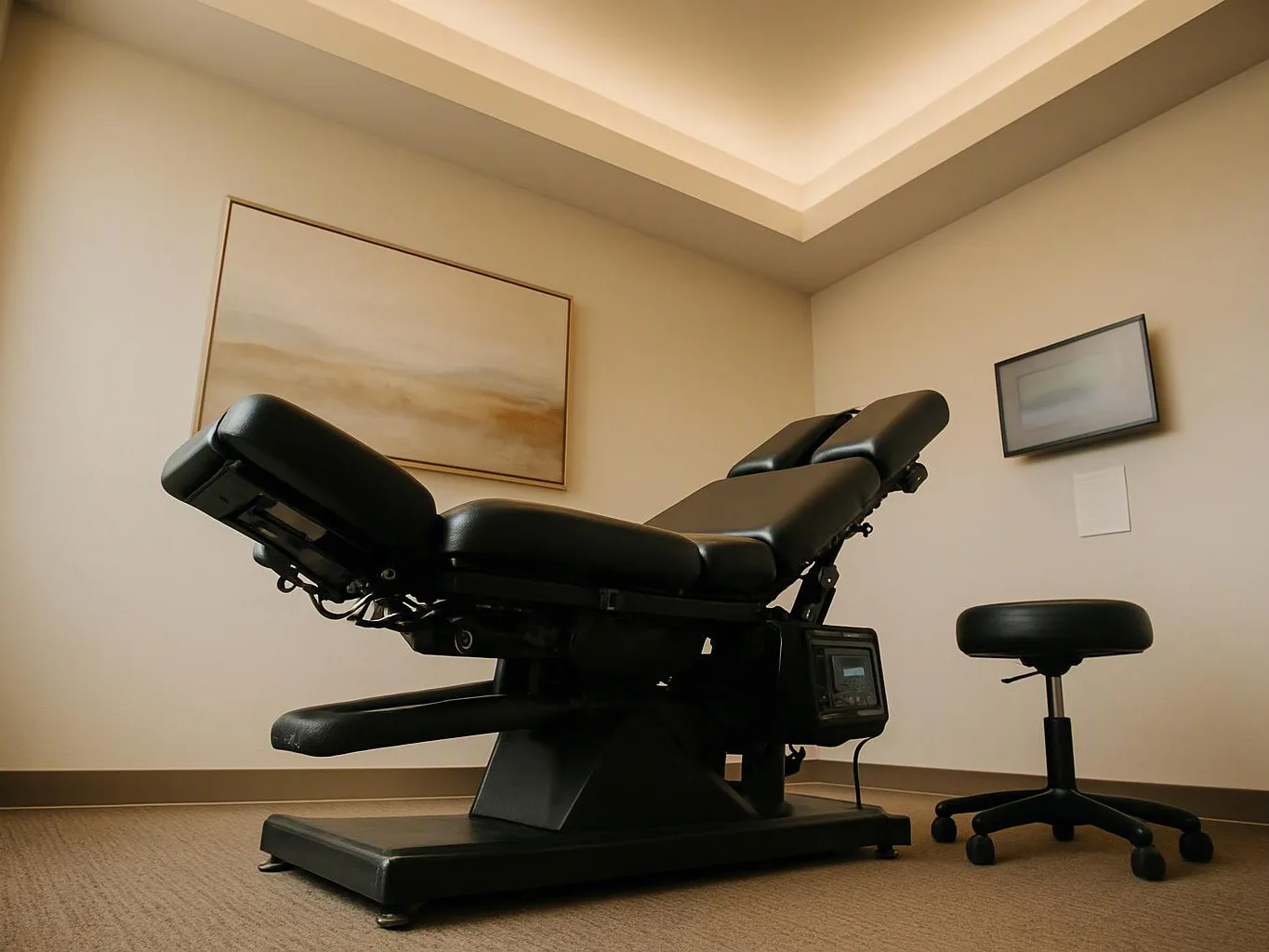
Chiropractor vs Massage Therapist: Differences in Treatment, Benefits, and Best Fit
Chiropractic care and massage therapy support different goals. Arrowhead Clinic Chiropractor McDonough uses chiropractic adjustment for joint and movement concerns, while massage therapy focuses on soft-tissue tension, relaxation, and muscle recovery. The best fit depends on your symptoms, health history, movement needs, and treatment goals.
Written by Dr. Robbyn Keating, DC
Get a Free EstimateHow Does a Chiropractor Differ From a Massage Therapist?
A chiropractor focuses on joint function, spinal movement, and the musculoskeletal system, while a massage therapist focuses on muscles, fascia, and other soft tissues.
Chiropractic adjustment is hands-on care directed at joint motion and the relationship between the spine, joints, and movement patterns. Massage therapy uses bodywork and manual therapy to address muscle tension, soft-tissue discomfort, and relaxation.
We begin by considering whether your main concern involves restricted movement, muscle tightness, or both. That distinction helps shape a focused treatment plan.
Chiropractor vs Massage Therapist at a Glance
Chiropractic care and massage therapy differ in the tissues they target, the goals they support, and the care plan that fits each person's symptoms. The comparison below provides a practical starting point.
| Factor | Chiropractic Care | Massage Therapy | Best Fit |
|---|---|---|---|
| Primary target | Joints, spine, and movement | Muscles, fascia, and soft tissue | The tissue linked to your symptoms |
| Common methods | Chiropractic adjustment | Deep tissue massage, Swedish massage, myofascial release therapy, and trigger point therapy | The method matched to the assessment |
| Treatment goals | Joint mobility and movement | Muscle tension relief, relaxation, and recovery | Your care goals |
| Cost | Varies with assessment and care plan | Varies with technique and session scope | Request an exact quote based on your needs |
| Maintenance | May support ongoing movement goals | May support recurring muscle tension and recovery goals | The approach that matches your response |
Deep tissue massage may feel more focused than Swedish massage, while myofascial release therapy and trigger point therapy use different soft-tissue strategies. We match the approach to your symptoms instead of treating every concern the same way.
What Are the Benefits of Chiropractic Treatment?
Chiropractic treatment may support joint mobility, movement, and musculoskeletal function when a qualified assessment identifies a joint or spinal concern.
A chiropractic adjustment may help address changes in spinal movement, joint function, or movement patterns. Our movement assessment helps us decide whether chiropractic care fits the way your symptoms behave.
Care may be relevant for musculoskeletal pain, back discomfort, neck discomfort, or restricted range of motion. We keep the treatment plan connected to your findings and care goals.
What Are the Benefits of Massage Therapy?
Massage therapy may help address muscle tension, soft-tissue discomfort, relaxation, and recovery through hands-on work.
Massage techniques can vary in pressure and focus. Deep tissue massage may target deeper muscle tension, while Swedish massage may support relaxation and general bodywork.
Myofascial release therapy and trigger point therapy focus on specific soft-tissue restrictions. We consider your comfort, symptoms, activity level, and recovery goals before recommending an approach.
Why Choose Chiropractic Care?
Chiropractic care may be a good choice when your main concern involves joints, the spine, or movement. We use the examination findings to guide whether an adjustment belongs in your treatment plan.
Best for: people seeking a joint and movement-focused assessment for musculoskeletal concerns.
Why Choose Massage Therapy?
Massage therapy may be a good choice when your main concern involves muscle tension, soft-tissue discomfort, relaxation, or recovery. The technique should match the sensitivity and location of the affected tissue.
Best for: people seeking soft-tissue treatment, relaxation, stress relief, or muscle recovery support.
Which Treatment Fits Your Main Concern?
Chiropractic care may fit joint or movement concerns, while massage therapy may fit muscle tension, soft-tissue discomfort, relaxation, or recovery goals.
Back pain and neck discomfort can involve both joints and muscles. Restricted movement points toward a movement assessment, while muscle tightness, stress, or post-activity soreness may point toward massage therapy.
Injury symptoms deserve careful review before hands-on treatment. We use your symptom history and findings to determine whether chiropractic care, massage therapy, or another form of care is suitable.
When Chiropractic Care May Be the Better Fit
Chiropractic care may be the better fit when joint mobility, spinal movement, or a movement-related concern is central to your symptoms.
We complete a musculoskeletal assessment before recommending a chiropractic adjustment. The assessment helps connect your symptoms with joint function and guides the treatment plan.
When Massage Therapy May Be the Better Fit
Massage therapy may be the better fit when muscle recovery, soft-tissue discomfort, or relaxation is your primary goal.
Deep tissue massage, Swedish massage, myofascial release therapy, and trigger point therapy serve different purposes. We consider muscle tension, comfort, and recovery needs before selecting a technique.
Can Chiropractic Care and Massage Therapy Work Together?
Yes, chiropractic care and massage therapy can address different parts of a musculoskeletal concern when the combined approach matches the person's assessment and goals.
A chiropractic adjustment may address joint mobility, while soft-tissue treatment may address muscle tension or fascia. Care coordination works best when each treatment has a clear purpose.
We can help organize the treatment plan around your symptoms, response, and care goals. You can learn more about our Chiropractic Adjustment service when joint-focused care is part of the discussion.
How We Help You Choose the Right Treatment
Arrowhead Clinic Chiropractor McDonough helps you choose between chiropractic adjustment and massage therapy by connecting your symptoms with your movement findings and treatment goals.
Our team explains what the recommended care addresses and how the plan relates to your goals. We do not use one approach for every symptom pattern.
What Should You Consider Before Treatment?
Your health history, symptom pattern, and treatment goals should guide the choice, and concerning or unexplained symptoms should be assessed before hands-on care.
Tell us about your health history, current symptoms, injury symptoms, medications, and any medical referral. These details help us consider treatment suitability and possible contraindications.
Seek medical care for severe, unexplained, or changing symptoms before arranging hands-on treatment. We can adjust our approach when your health history calls for added caution or coordination.
Which Option Is Right for You?
Choose chiropractic care for a joint or movement-focused assessment, massage therapy for soft-tissue and relaxation goals, or a coordinated approach when both concerns are present.
A chiropractor may be the right starting point when the spine, joints, or range of motion are central concerns. A massage therapist may be the right fit when muscle tension, fascia, stress relief, or recovery is the main priority.
Deep tissue massage, Swedish massage, myofascial release therapy, and trigger point therapy each address soft tissue in different ways. We help you select a treatment plan that matches your symptoms and care goals.
Arrowhead Clinic Chiropractor McDonough can review your concerns and explain which option best fits your assessment. Contact us to discuss your needs and request an exact quote.
Author: Dr. Robbyn Keating, DC
Questions About Chiropractors and Massage Therapists
Can a chiropractor help with tight muscles?
Yes, a chiropractor can assess whether tight muscles relate to joint motion or movement patterns. Arrowhead Clinic Chiropractor McDonough may recommend chiropractic care when the assessment shows a joint or spinal concern, while massage therapy may better address a soft-tissue concern.
Can massage therapy help with joint pain?
Yes, massage therapy may help with muscle tension around a painful joint, but massage does not replace an assessment of the joint itself. Joint pain with restricted movement may call for chiropractic or medical evaluation.
Should you get a massage before or after chiropractic care?
The best order depends on your assessment, symptoms, and treatment goals. We coordinate the sequence when massage therapy and chiropractic care are both appropriate.
What is the difference between myofascial release and trigger point therapy?
Myofascial release focuses on areas where fascia may feel restricted, while trigger point therapy focuses on specific sensitive areas within muscle. Both are soft-tissue approaches, and the suitable method depends on your symptoms and response.
When should you avoid chiropractic adjustment or massage therapy?
You should delay hands-on treatment when symptoms are severe, unexplained, rapidly changing, or linked to a recent injury that has not been assessed. We review your health history and current symptoms before recommending chiropractic adjustment or massage therapy.
Related Resources
Chiropractic Care for Sciatica and Radiating Leg Pain
What It SolvesChiropractic Care for Tension Headaches and Neck-Related Head Pain
What It SolvesChiropractic Care for Lower Back Pain: Causes, Symptoms, and Treatment Options
What It SolvesPrenatal Chiropractic Care for Pregnancy Back Pain and Pelvic Discomfort