What happens first during a trigger point therapy session?
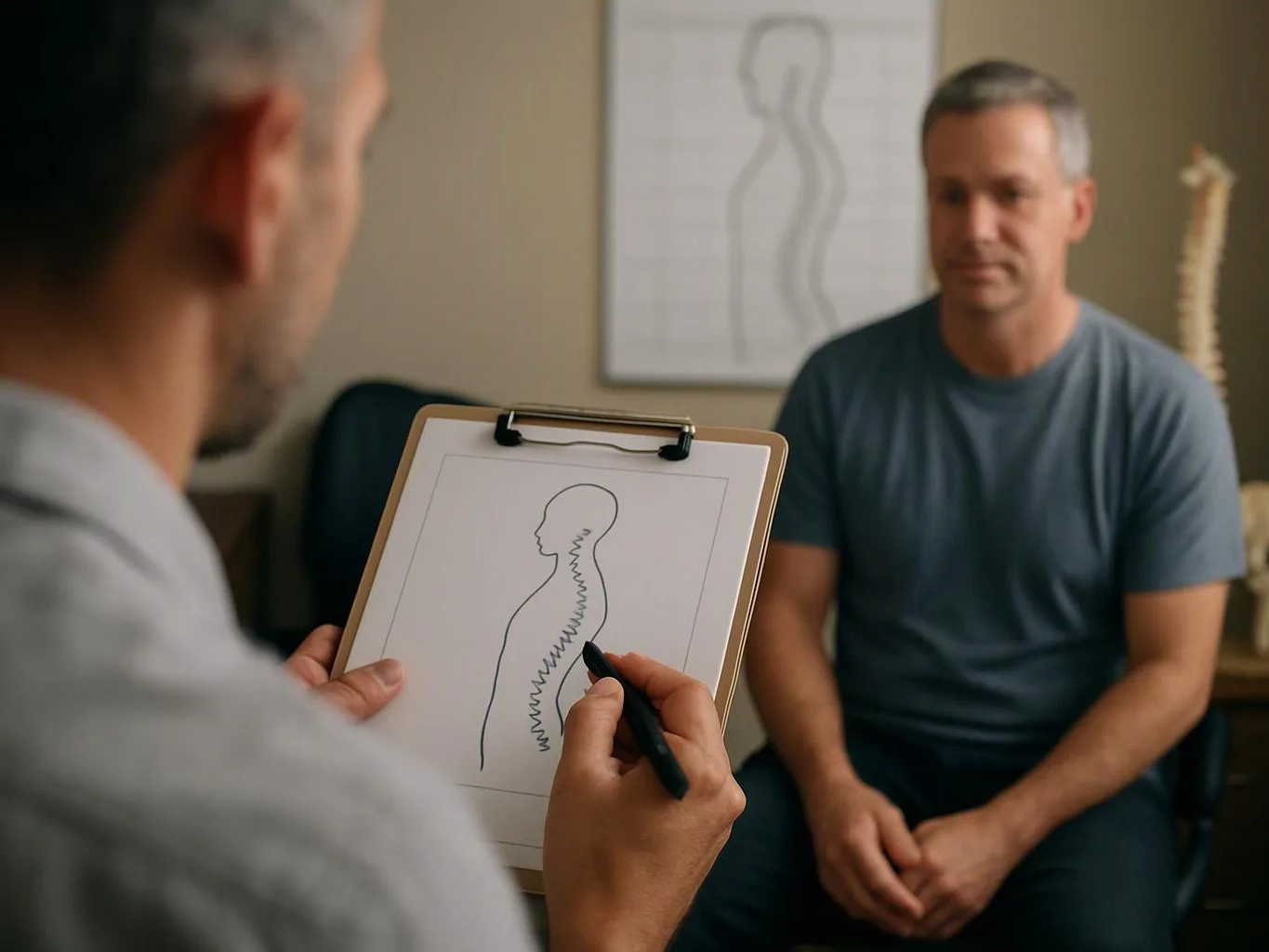
Pressure assessment comes first, followed by tender point checks and movement checks. Arrowhead Clinic Chiropractor McDonough reviews your symptoms and health history before using release techniques. The clinician explains what the findings mean and how the care fits your plan. You can ask questions during the visit, so you understand the next step before treatment continues.
Which symptoms suggest that focused muscle care may fit?
Localized muscle tenderness, tightness, and pain with a specific movement may fit focused muscle care. Neck pain, back pain, shoulder pain, and post-accident soreness can involve tender muscle points. Our team still reviews the full symptom pattern because some complaints need a different evaluation or referral.
How does the first appointment differ from a follow-up?
The first appointment includes a new patient intake, health history, and initial movement review. A follow-up focuses more closely on the treated area and your response since the last visit. We may repeat movement checks and adjust the care plan when the findings support a change.
Why might trigger point therapy not be the right choice?
Trigger point therapy may not fit severe, unusual, or unexplained symptoms that need another evaluation. Our team reviews the symptom pattern, injury history, and movement before selecting care. If the findings point beyond soft tissue, we explain the next step instead of treating the wrong area.
What changes the cost of a session?
The care plan, assessed areas, and related injury services influence the cost. A session tied to whiplash, a workers’ compensation injury, or another condition may require a broader evaluation. We discuss the requested care and provide a free estimate, so you can review the expected services before proceeding.
Can accident injury patients request this care in Conley?
Yes, accident injury patients in Conley can ask about trigger point therapy during a chiropractic consultation. We treat car accident injuries, whiplash, motorcycle accident injuries, and related pain concerns. Our team reviews the injury details first, then explains whether focused soft tissue care fits the broader recovery plan.
What should I share before the appointment?
Share when the pain began, what movement increases it, and whether an accident or work event caused it. Details about neck pain, back pain, headaches, or muscle tightness help guide the intake. You can also discuss current care and treatment goals, so the clinician has useful context before checking the tender area.