Glossary

What is Acute Pain?

Acute Pain is sudden, sharp discomfort that lasts less than three to six months. Acute Pain signals tissue damage or injury, such as a sprained ankle, broken bone. Or muscle strain. And typically fades as the body heals. It acts as a warning to prevent further harm and prompts immediate attention to the affected area.

Reviewed by ChiropractorMcDonough.linkSources reviewed: American Chiropractic Association, National Institute of Neurological Disorders and Stroke

Quick Facts About Acute Pain

Category

Short-term pain

Used for

Signaling injury or tissue damage

Common confusion

Chronic pain, which lasts longer than six months

Also called

Short-term pain, Immediate pain

Often discussed with

Chiropractic Consultation and Diagnosis, Car Accident Injury Rehabilitation

Key Takeaways About Acute Pain

Understanding Acute Pain

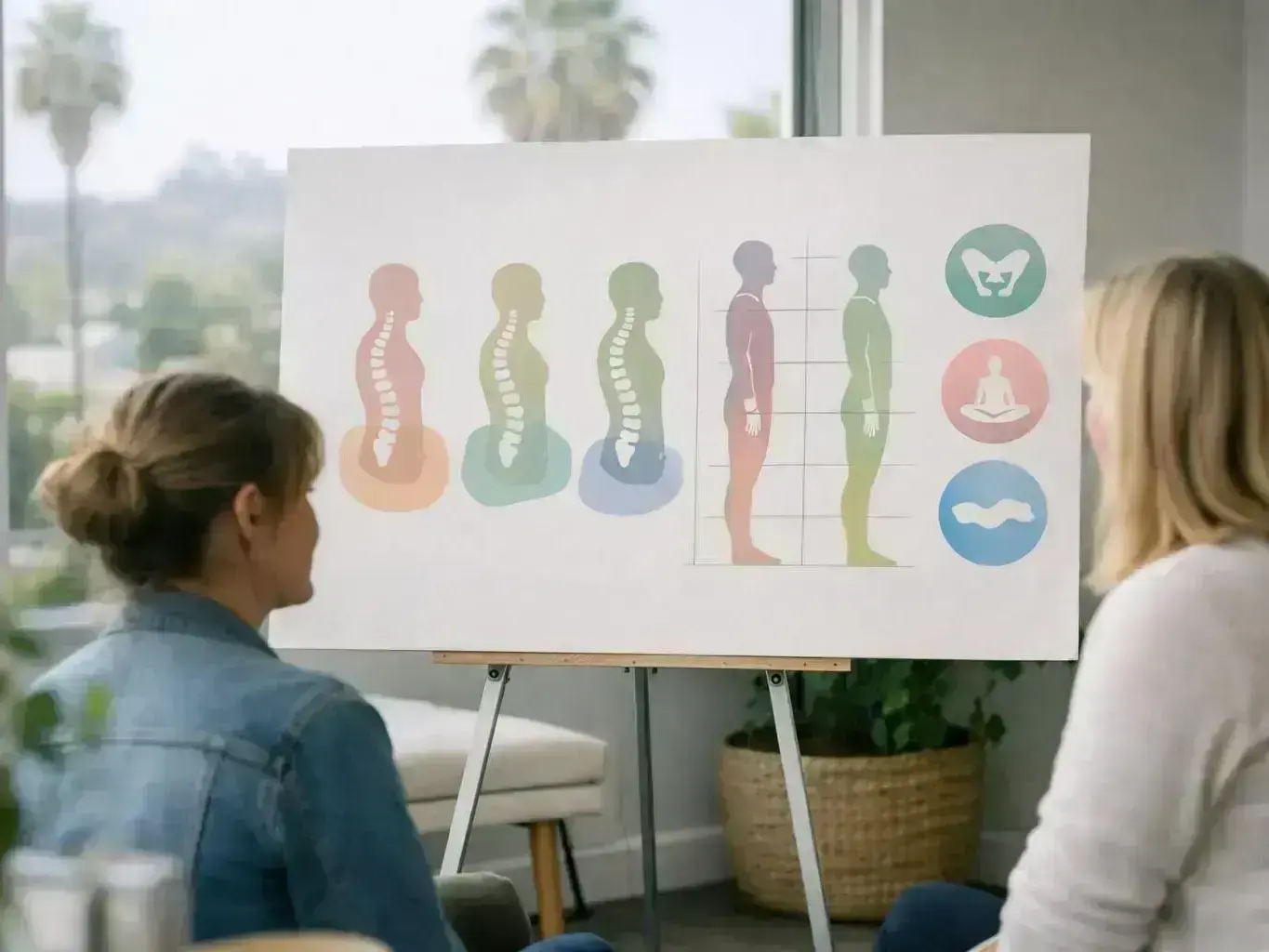
Acute Pain in Chiropractor: Acute Pain is sudden, sharp discomfort that lasts less than three to—visual guide

Acute pain is how your body says, "Ouch!" It happens when you get hurt.

Related glossary terms: Chronic Pain, Muscle Strain, Ligament Sprain.

Muscles, ligaments. Or bones send signals to your brain. This makes you feel sharp or throbbing pain.

This pain doesn't last long. It goes away in days or a few months. That's when the injury heals.

Chronic pain is different. It stays after the body should be better. Acute pain has a clear start and end.

Falls, car crashes. Or sports can cause acute pain. Sudden moves can strain your body too.

Most people get acute pain at some point. A twisted knee is one example.

You might feel back pain after lifting something heavy. A minor car crash can cause soreness.

The pain can be mild or very bad. It depends on how bad the injury is.

Pain keeps you from moving too much. This helps your body heal.

For example, a sprained ankle hurts. That keeps you from putting weight on it. The ligaments heal better.

How Acute Pain Works?

Special nerves feel when you get hurt. These nerves are called nociceptors (pain detectors).

They sense heat, pressure. Or chemicals from hurt cells. Then they send signals to your brain.

Your brain gets the signals. It makes you feel pain. It also makes your muscles tighten.

Your heart beats faster. You might sweat. These things protect the hurt area.

Touching a hot stove is an example. The nerves feel the heat. Your hand pulls back fast.

Doctors ask how bad the pain is. They use a scale from 0 to 10.

Zero means no pain. Ten means the worst pain ever.

They ask where it hurts. They want to know how long it lasts.

They ask what makes it better or worse. Tests like X-rays or MRIs can help.

These tests show broken bones or slipped discs.

Treatment fixes the real problem. The problem might be swelling or a bad joint.

Rest, ice. Or heat can help. So can pain pills you buy at the store.

Chiropractors can adjust your spine. Physical therapy helps too.

Why Acute Pain Matters?
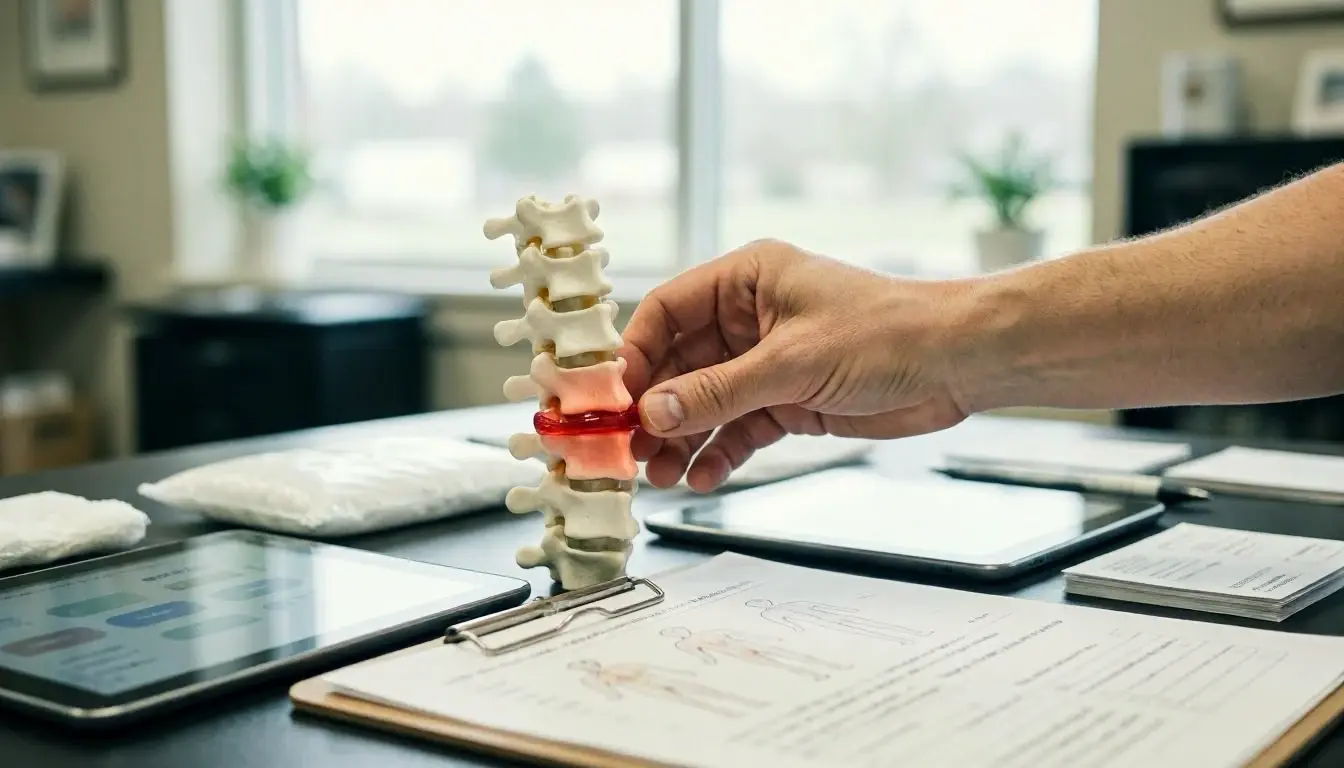
How Acute Pain applies to Chiropractor services in McDonough, United States—practical illustration

Acute pain tells you something is wrong. You need to pay attention to it.

Ignoring it can cause bigger problems. The injury might get worse.

It could take longer to heal. It might even turn into chronic pain.

A misaligned spine can cause pain. If you don't fix it, muscles get weak.

Joints get stiff. Nerves can get irritated. Fixing it early helps you heal faster.

Then you can get back to your normal life.

Pain can also affect your mind. Bad pain can make you stressed.

You might feel anxious. You might not sleep well. This slows healing.

Fixing pain helps you feel better. It improves your life.

Chiropractors can help with pain. They fix alignment and reduce swelling.

They help you move better. This is good for muscle and bone injuries.

When Acute Pain Matters Most?

Pain is important after accidents. Car crashes or sports injuries can hurt.

Pain can mean big problems. Whiplash, sprains. Or bad joints need care.

A rear-end crash can hurt your neck or back. The sudden force can hurt soft tissues.

It can also move your spine out of place. Getting help fast prevents long-term problems.

Pain matters when it stops daily life. It can keep you from working or sleeping.

Pain that limits movement needs attention. It might mean something is wrong.

People in McDonough, GA, get hurt often. They play sports and work hard.

Muscle strains and joint sprains happen a lot. Chiropractors there treat these injuries.

They help people heal fast. Then they can get back to normal life.

How to Evaluate Acute Pain?

Related Concepts Compared

Acute Pain vs. Chronic Pain

Chronic Pain lasts longer than six months and often lacks a clear cause. While Acute Pain is short-term and tied to a specific injury or event.

Acute Pain vs. Inflammation

Inflammation is the body’s response to injury and can cause Acute Pain. But not all Acute Pain involves visible swelling or redness.

Expert Note

Acute Pain is often the body’s way of saying, 'Stop and pay attention.' While it can be alarming, it’s usually a sign that healing is underway. However, if the pain persists beyond a few weeks or worsens, it may indicate an underlying issue that requires professional evaluation to prevent long-term problems.

Common Mistakes or Myths About Acute Pain

  • Assuming Acute Pain will always go away on its own without any care or treatment.
  • Confusing Acute Pain with chronic pain and delaying proper treatment.
  • Ignoring Acute Pain after an accident or injury, which can lead to worse damage.
  • Overusing pain medication instead of addressing the root cause of the pain.
  • Thinking Acute Pain is 'just part of getting older' when it may signal an injury.

Acute Pain in Practice: A Real-World Example

After lifting a heavy box at work, Sarah felt a sharp pain in her lower back. The discomfort was sudden and made it difficult for her to stand up straight. She applied ice and rested for a few days. But the pain didn’t fully go away. A visit to her chiropractor revealed a minor muscle strain and spinal misalignment, which improved with adjustments and targeted therapy.

Related Services

Related Terms

Chronic Pain

Chronic Pain is persistent discomfort lasting three months or longer, even after an injury or illness has healed. Chronic Pain often stems from nerve damage, inflammation. Or musculoskeletal conditions like arthritis or disc problems. Unlike short-term pain, it can affect daily activities, mood.

Muscle Strain

Muscle Strain is a common injury where muscle fibers stretch too far or tear due to overuse, sudden force. Or improper movement. It often causes pain, swelling. And limited movement in the affected area. Muscle strains range from mild soreness to severe tears requiring medical attention.

Ligament Sprain

Ligament Sprain is an injury to a ligament, the tough band of tissue connecting bones at a joint, caused by overstretching or tearing. Ligament Sprains occur when a joint is forced beyond its normal range of motion, leading to pain, swelling. And reduced function. Common sites include ankles, knees.

Spinal Manipulation

Spinal Manipulation is a hands-on treatment technique used by chiropractors and other healthcare providers to apply controlled force to a joint in the spine. The goal is to improve spinal motion, reduce pain. And restore function by moving the joint beyond its usual range of motion, often producing a popping or cracking sound.

Joint Dysfunction

Joint Dysfunction is a condition where a joint in the body moves improperly or loses its normal range of motion, often causing pain, stiffness. Or inflammation. It can result from injury, overuse, poor posture. Or underlying conditions like arthritis. Joint Dysfunction may affect any joint, including the spine, shoulders, hips. Or knees. And can limit daily activities if untreated.

ChiropractorMcDonough.link

Have Questions About Acute Pain?

Contact ChiropractorMcDonough.link for practical guidance on Acute Pain and related chiropractor work in McDonough.

+1 770-637-6261