Understanding Diversified Technique
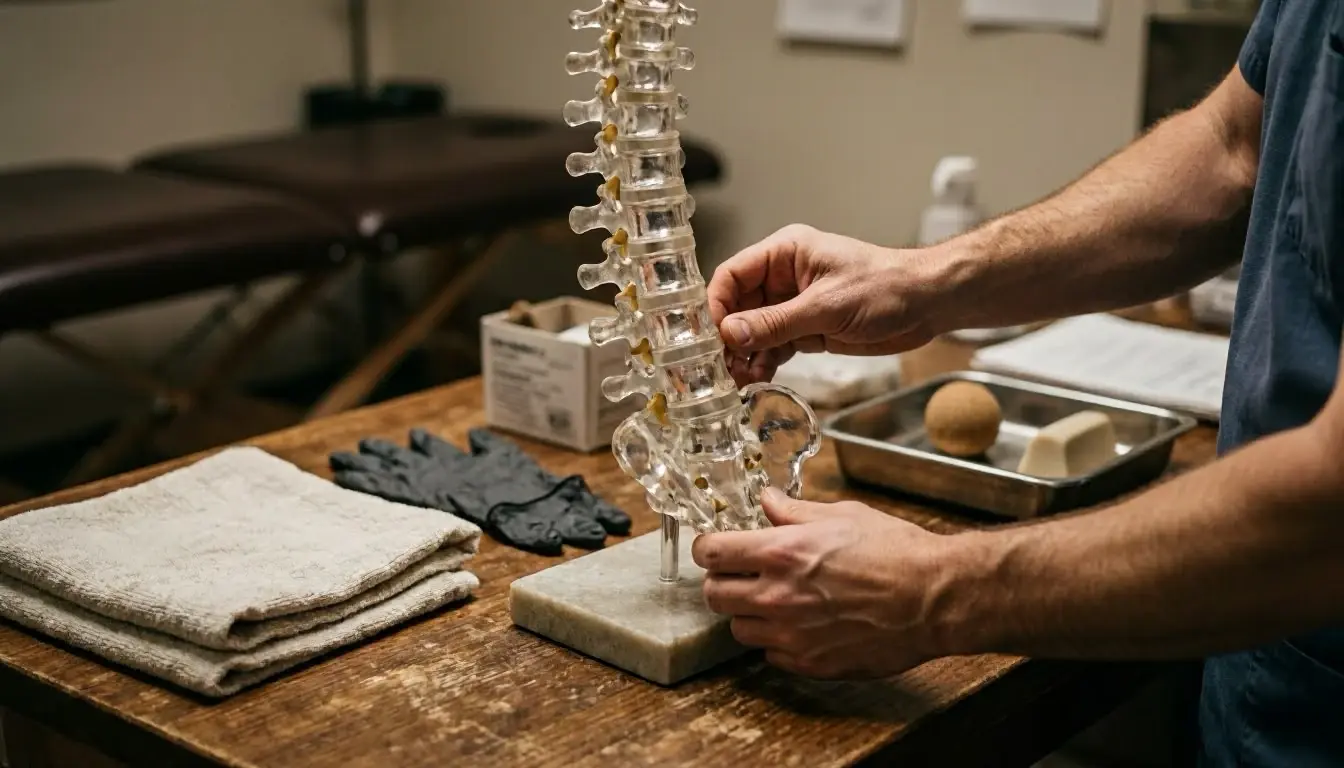
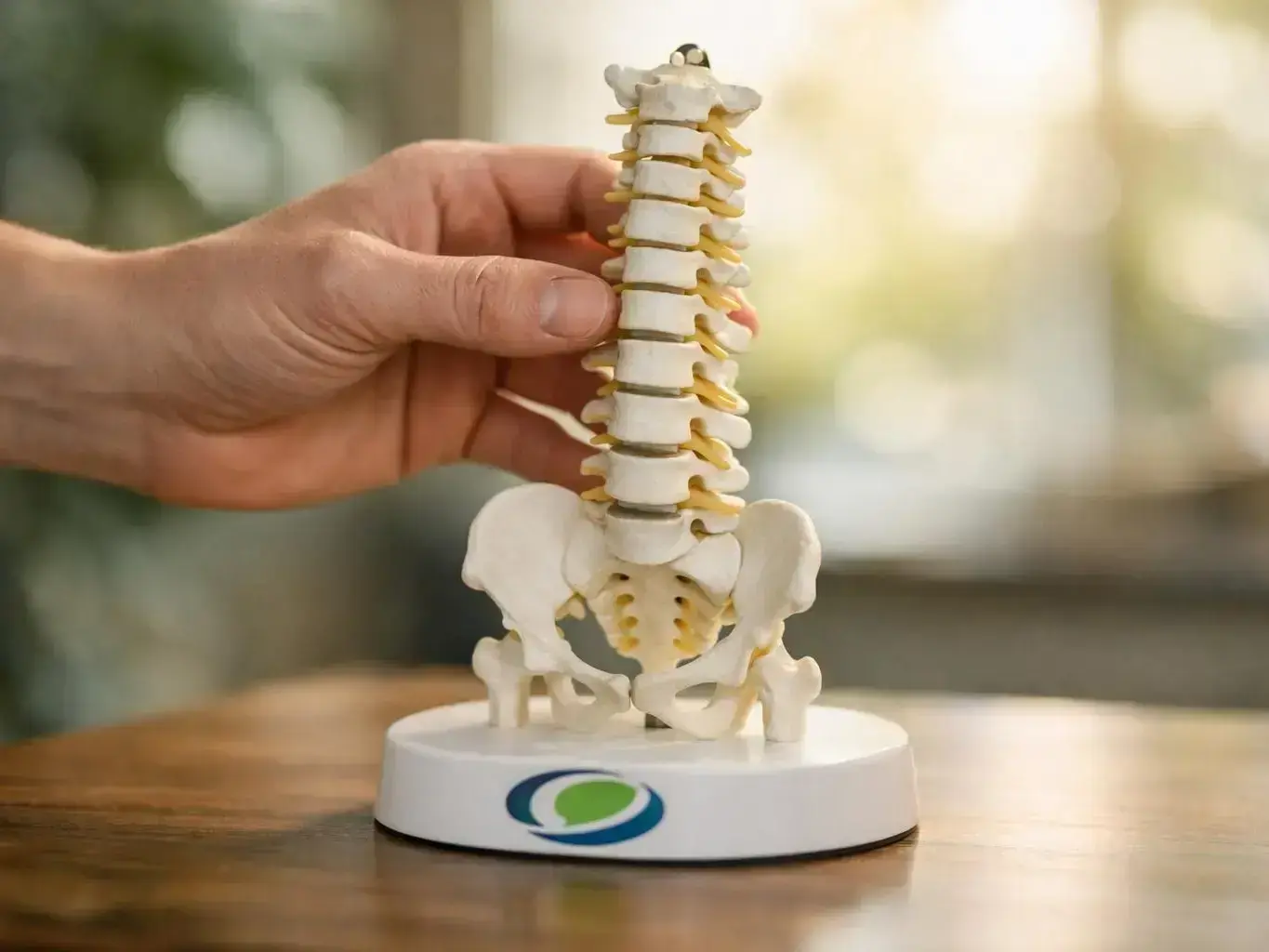
Diversified Technique is a manual adjustment method used by chiropractors to correct joint dysfunction, particularly in the spine. It involves applying a quick, controlled thrust to a specific joint, often producing a popping sound known as a cavitation. This sound is caused by the release of gas from the joint fluid and is a normal part of the process. The goal of Diversified Technique is to restore proper alignment, improve mobility. And reduce pain.
Related glossary terms: Chiropractic Adjustment, Spinal Manipulation, Joint Dysfunction.
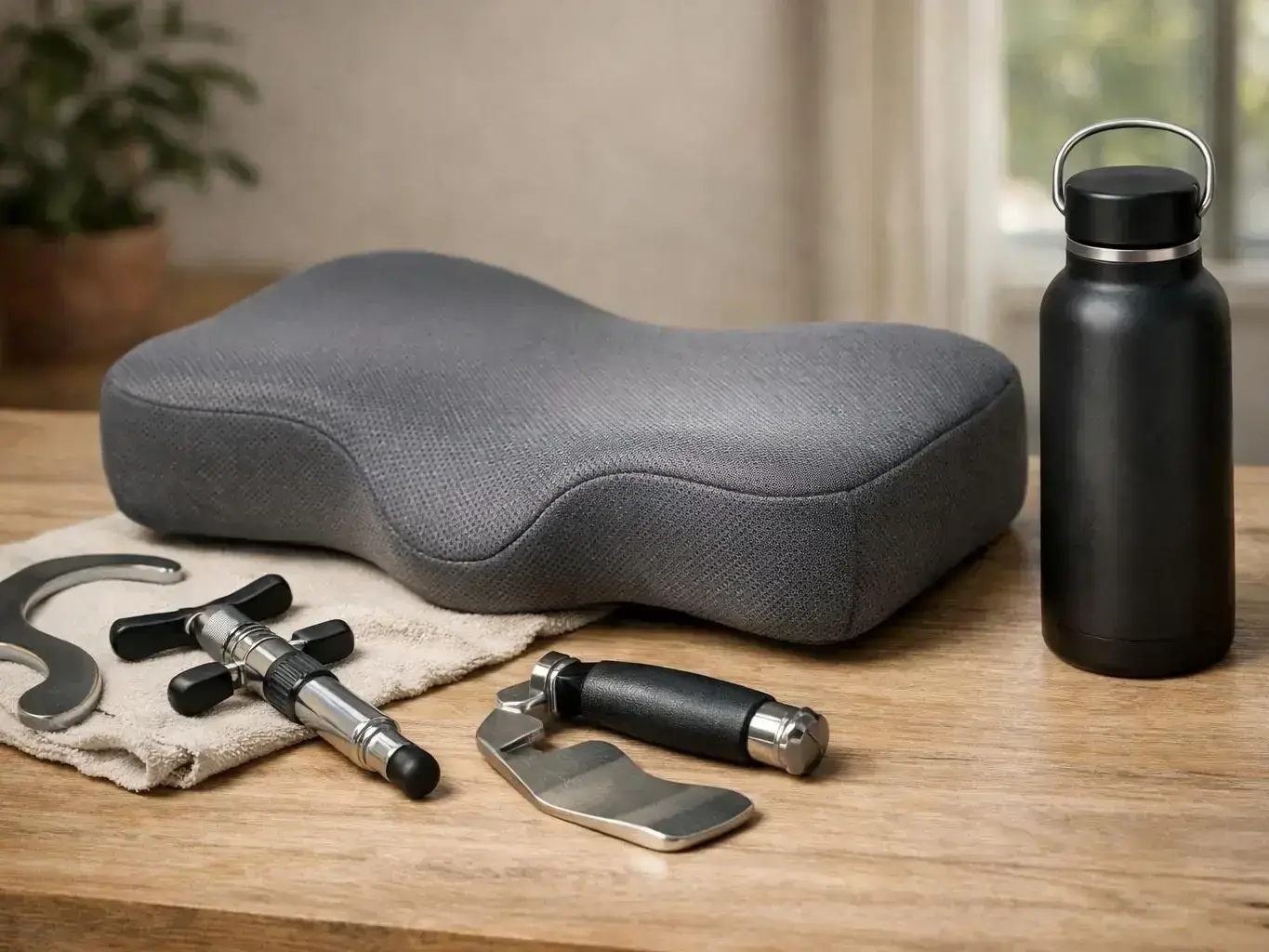
Unlike some other chiropractic methods, Diversified Technique doesn't rely on specialized tables or instruments. Instead, it focuses on the chiropractor’s skill in delivering precise, targeted adjustments. This technique is highly adaptable and can be used on nearly any joint in the body. Though it's most commonly applied to the spine. Because it is so versatile, Diversified Technique is often the primary method taught in chiropractic colleges and used in clinical practice.
How Diversified Technique Works?
Diversified Technique works by applying a high-velocity, low-amplitude (HVLA) thrust to a joint that's not moving correctly. The thrust is quick and shallow, meaning it does not require a lot of force but must be delivered with precision. When the joint is adjusted, it may produce a popping or cracking sound, which is simply the release of gas bubbles from the joint fluid. This process helps to restore the joint’s natural range of motion and reduce stiffness or discomfort.
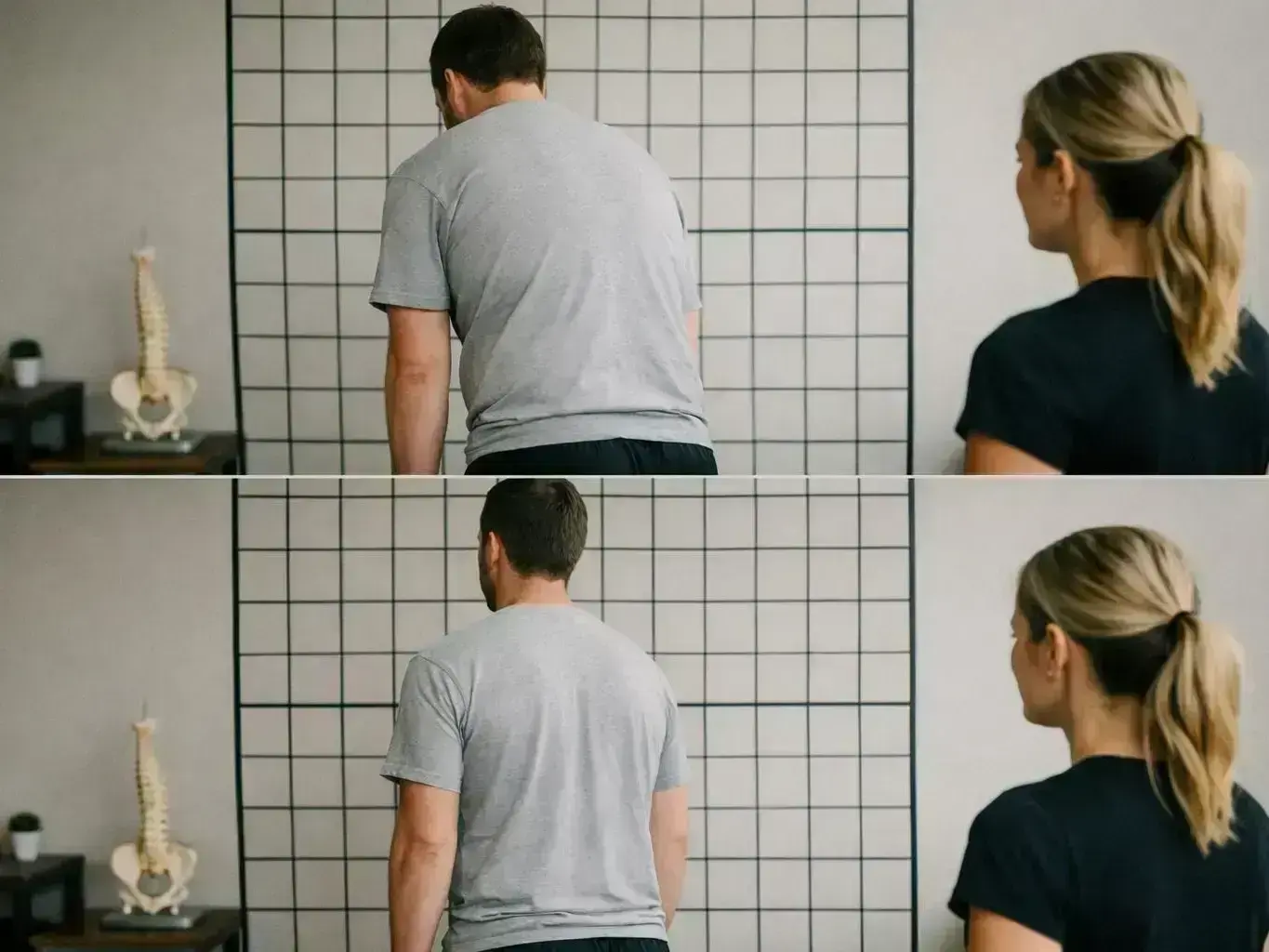
In practice, Before performing an adjustment, the chiropractor will assess the patient’s spine or joints through palpation (feeling with the hands), range-of-motion tests. And sometimes imaging like X-rays. This assessment helps the chiropractor identify which joints are misaligned or not moving properly. Once the problematic areas are identified, the chiropractor will position the patient in a specific way to isolate the joint and deliver the adjustment. The entire process is typically painless and takes only a few minutes per adjustment.
Why Diversified Technique Matters?

Diversified Technique matters because it provides a safe, effective way to address joint dysfunction, which is a common cause of pain and reduced mobility. When joints are not moving correctly, they can irritate surrounding nerves, muscles. And ligaments, leading to discomfort, inflammation. And even referred pain in other parts of the body. By restoring proper joint motion, Diversified Technique can help alleviate these symptoms and improve overall function.
Another reason Diversified Technique is important is its versatility. Because it can be used on nearly any joint, it is effective for a wide range of conditions, including back pain, neck pain, headaches. And joint issues in the shoulders, hips. Or extremities. This makes it a valuable tool for chiropractors treating patients with diverse needs. And Diversified Technique is supported by extensive clinical experience and research, which gives patients confidence in its safety and effectiveness.
When Diversified Technique Matters Most?
Diversified Technique is most useful for patients experiencing acute or chronic joint dysfunction, particularly in the spine. Common situations where this technique may be beneficial include after a minor injury, such as a slip or fall. Or when pain develops from poor posture, repetitive movements. Or prolonged sitting. It is also frequently used for patients recovering from car accidents, sports injuries. Or work-related strain, as these events often lead to joint misalignments.
Diversified Technique may not be suitable for everyone. Patients with certain conditions, such as severe osteoporosis, spinal fractures. Or advanced arthritis, may require gentler methods or alternative treatments. And patients who are pregnant, have nerve-related symptoms like numbness or tingling. Or have a history of spinal surgery should inform their chiropractor before receiving this type of adjustment. A thorough evaluation will help determine if Diversified Technique is the right choice for their specific situation.