Glossary

What is Posture Correction?

Posture Correction is the process of identifying, adjusting. And strengthening the body’s alignment to reduce strain on muscles, joints. And nerves. It involves exercises, ergonomic adjustments. And chiropractic techniques to improve how a person sits, stands. Or moves, helping prevent pain and long-term damage.

Reviewed by Dr. Harry W. Brown, D.C.Sources reviewed: American Chiropractic Association, Mayo Clinic - Posture: Align Yourself for Good Health

Quick Facts About Posture Correction

Category

Musculoskeletal health

Used for

Reducing pain, preventing injury, improving mobility

Common confusion

Posture Correction is not just about sitting up straight—it involves full-body alignment.

Also called

Postural Correction, Posture Therapy

Often discussed with

Chiropractic Consultation and Diagnosis

Key Takeaways About Posture Correction

Understanding Posture Correction

Posture Correction in Chiropractor—McDonough

Posture Correction helps your body stand and sit better. It works for daily tasks like sitting, standing. Or walking.

Related glossary terms: Spinal Alignment, Chiropractic, Physical Rehabilitation.

Poor posture happens when muscles or bones don't line up right. This often comes from slouching or hunching over a phone.

Sitting too long can also cause it. Over time, bad posture leads to neck, back. Or hip pain.

Posture Correction teaches your body better ways to move. It reduces strain and helps you stand naturally.

Many things cause poor posture. Weak or tight muscles can be one reason.

Injuries or your workplace setup can also play a part. People at desks may get rounded shoulders.

Their heads may lean forward from looking at screens. Athletes or workers may strain their backs.

Posture Correction finds the cause. It uses special steps to fix the problem.

This isn't just about looks. It helps your health and comfort too.

How Posture Correction Works?

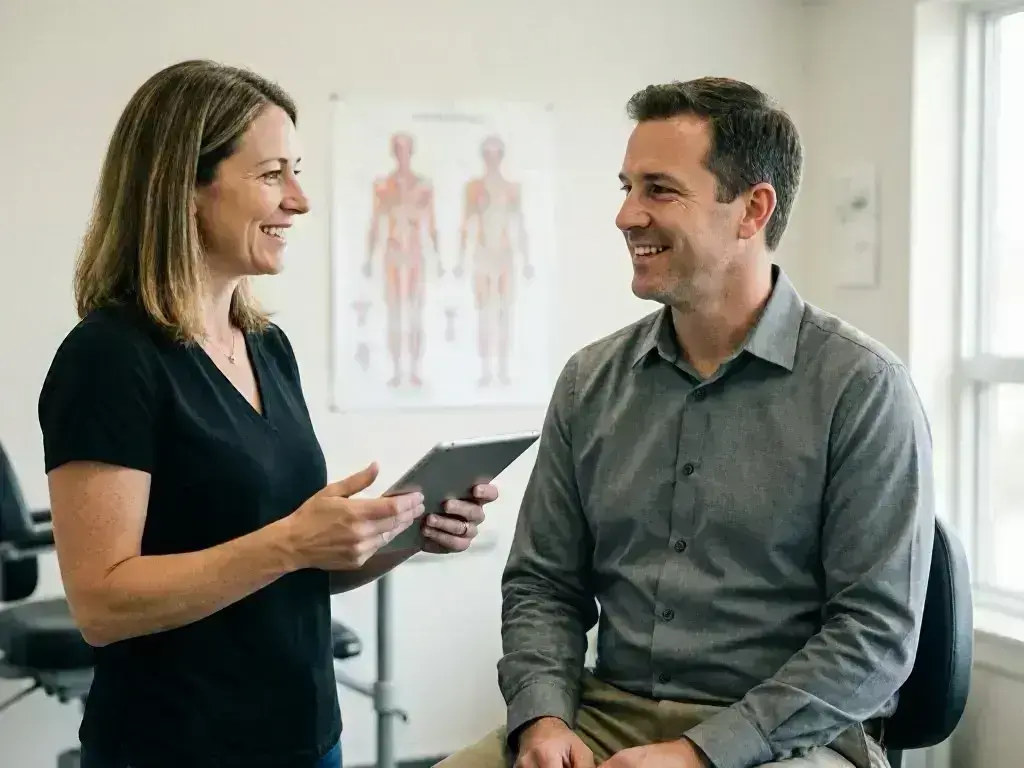
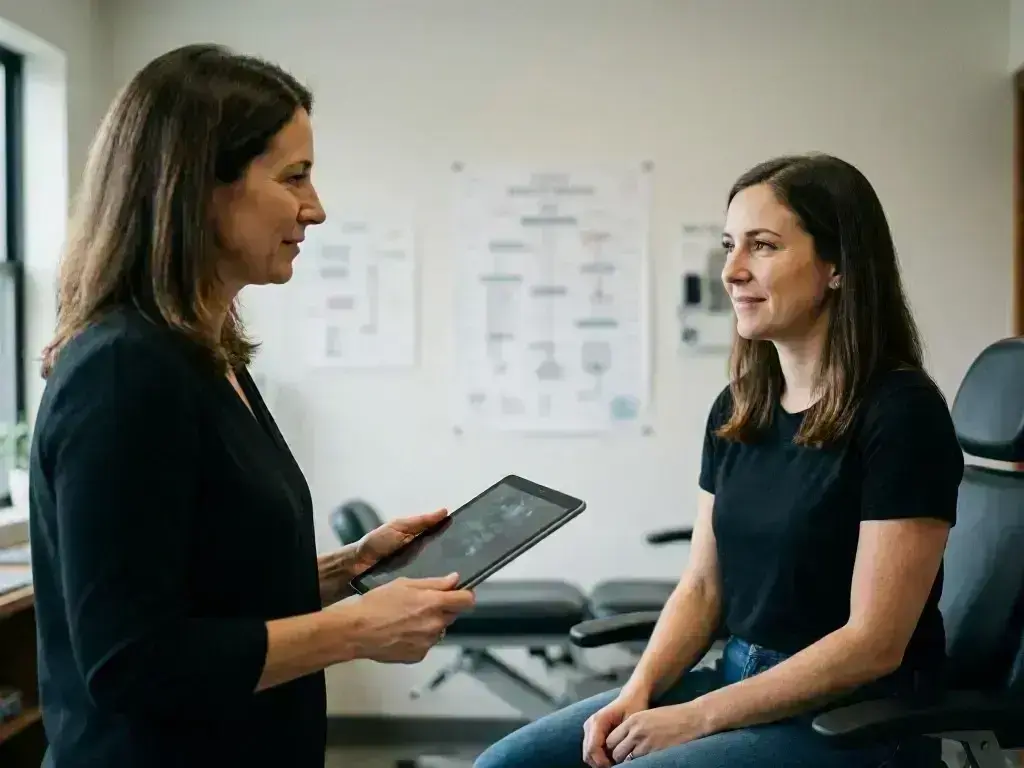
Posture Correction starts with a check-up. A chiropractor (back doctor) or therapist looks at how you stand.

They watch how you sit or move. They check your muscles and joints.

Then they make a plan just for you. It may include back adjustments or stretches.

You might get exercises to do. They could suggest changes to your desk or chair.

A common fix is chiropractic adjustments. These help your spine (back bone) and joints.

They reduce tension and help you move better. Stretches help tight muscles.

Exercises make weak muscles stronger. For example, chest stretches help rounded shoulders.

Core exercises help your lower back. Changing your chair height can help too.

Over time, these changes help your posture get better.

Posture Correction isn't a quick fix. You need to keep at it.

Small changes help a lot. Take breaks to stretch.

Use a back support if you need one. Tools like posture reminders can help.

But they work best with a pro's help. The goal is to make good habits stick.

Why Posture Correction Matters?

Good posture does more than make you stand tall. It helps your body work right.

When your spine lines up, muscles work better. This cuts down on pain and tiredness.

Bad posture can cause long-term problems. These include headaches or back pain.

It can even pinch nerves. Over time, this can limit how you move.

Posture Correction stops these issues early.

Posture affects breathing and digestion too. Slouching squishes your lungs and stomach.

This makes it hard to breathe deep. It can also mess with digestion.

Good posture lets your body work its best. It gives you more energy.

People who sit or stand long need this. It cuts down on pain and injuries.

When Posture Correction Matters Most?

Posture Correction helps if you hurt from bad posture. Signs include neck or back pain.

Headaches or stiffness can mean poor posture too. You might feel tired after sitting.

People at desks or who drive a lot need this. So do those who repeat tasks.

Athletes can also benefit. It helps them avoid injuries.

It helps after injuries or surgery too. Your body might move wrong to protect itself.

For example, a hurt knee can cause back pain. Pros help you move right again.

Kids and teens need good posture too. Bad habits now can cause problems later.

In McDonough, GA, many people sit at desks. Others drive long distances.

Some do hard physical work. Posture Correction helps them all.

Local chiropractors see posture pain often. It comes from jobs, sports. Or accidents.

Fixing it early stops bigger problems later.

How to Evaluate Posture Correction?

Related Concepts Compared

Posture Correction vs. Spinal Alignment

Spinal Alignment focuses on the position of the spine. While Posture Correction addresses the entire body’s alignment and movement habits.

Posture Correction vs. Ergonomics

Ergonomics involves designing workspaces to fit the body. While Posture Correction includes exercises and adjustments to improve how the body holds itself.

Expert Note

Posture Correction is not just about forcing the body into a rigid position. It’s about creating balance, strength. And flexibility so the body can maintain alignment naturally throughout daily activities.

Common Mistakes or Myths About Posture Correction

  • Assuming Posture Correction is only about sitting up straight—it involves full-body alignment.
  • Using posture correctors without professional guidance, which can weaken muscles over time.
  • Ignoring ergonomic adjustments at work, which contribute to poor posture.
  • Focusing only on stretching without strengthening supporting muscles.
  • Expecting immediate results—Posture Correction requires consistency and time.

Posture Correction in Practice: A Real-World Example

A office worker in McDonough, GA, develops chronic neck pain from hunching over a computer. A chiropractor assesses their posture, recommends stretches for tight chest muscles. And adjusts their workspace ergonomics. Over time, the worker’s pain decreases as their posture improves.

Sources & Further Reading on Posture Correction

Related Services

Related Terms

Spinal Alignment

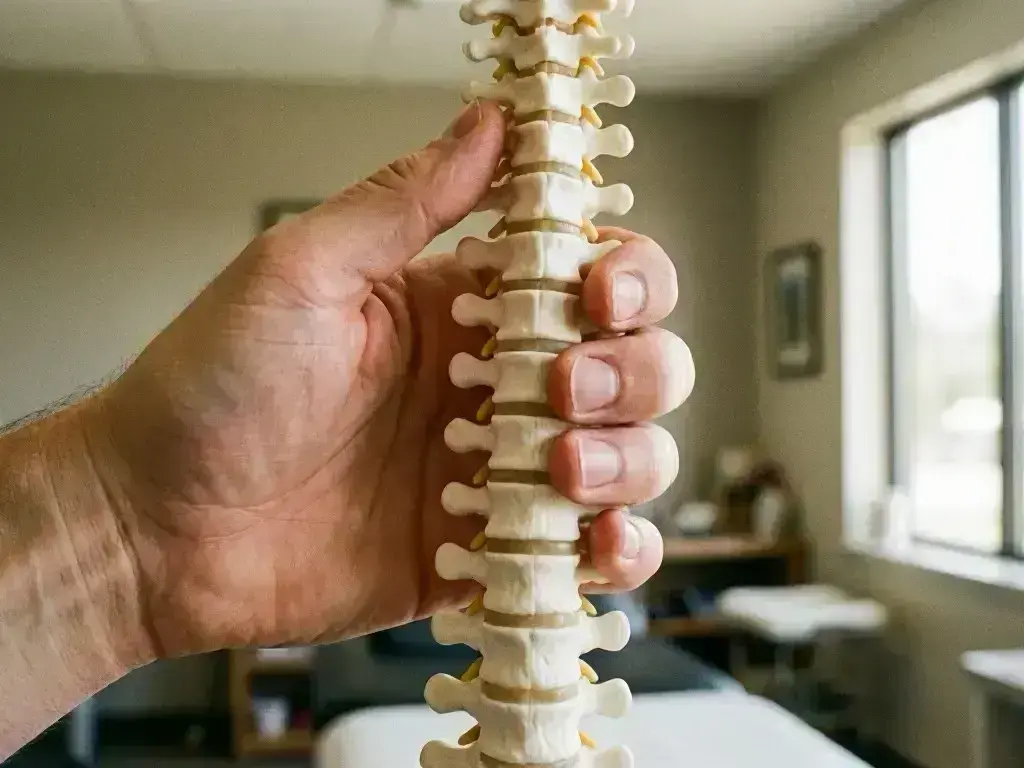
Spinal Alignment is the proper positioning of the vertebrae in the spine to maintain its natural curves and optimal function. It ensures the spine supports body weight, protects the nervous system. And allows pain-free movement. Misalignment can cause pain, stiffness. Or nerve irritation, often addressed through chiropractic care or physical therapy.

Chiropractic

Chiropractic is a healthcare profession focused on diagnosing and treating musculoskeletal disorders, particularly those related to the spine. Chiropractors use hands-on spinal adjustments and other techniques to improve alignment, relieve pain. And support the body’s natural ability to heal without surgery or medication. Chiropractic care emphasizes the relationship between the spine and nervous system in maintaining overall health.

Physical Rehabilitation

Physical Rehabilitation is a structured healthcare process designed to restore strength, mobility. And function after injury, illness. Or surgery. Physical Rehabilitation uses exercises, manual therapies. And assistive tools to reduce pain, improve movement. And help individuals return to daily activities safely and independently.

Joint Dysfunction

Joint Dysfunction is a condition where a joint in the body does not move or function as it should. This can happen due to injury, overuse, poor posture. Or muscle imbalances. Joint Dysfunction often causes pain, stiffness, reduced mobility.

Arrowhead Clinic Chiropractor

Have Questions About Posture Correction?

Contact Arrowhead Clinic Chiropractor for practical guidance on Posture Correction and related chiropractor work in McDonough.

+1 770-637-6261