Understanding Physical Rehabilitation
Physical Rehabilitation is a healthcare specialty focused on helping people recover from physical limitations caused by injury, illness. Or medical procedures. Unlike general exercise, rehabilitation is goal-oriented and custom to each individual’s needs. It addresses pain, weakness, stiffness. And movement difficulties that affect daily life. The process may involve a team of professionals, including physical therapists, chiropractors. And physicians, working together to create a personalized plan.
Related glossary terms: Chiropractic, Spinal Alignment, Chronic Pain.
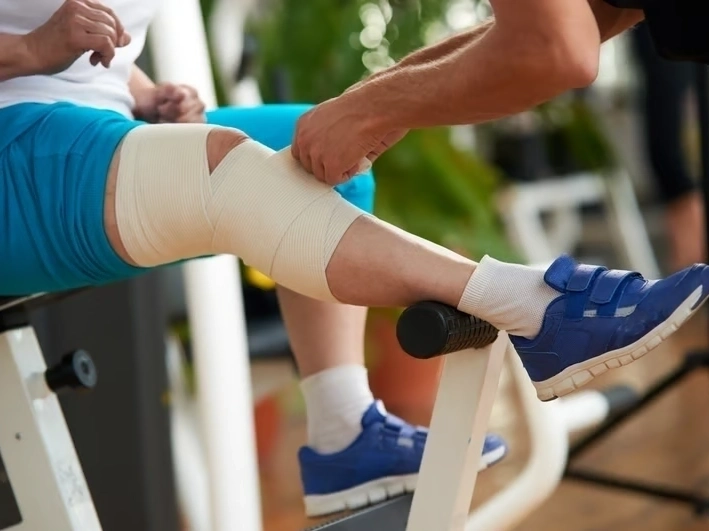
Rehabilitation is not just for athletes or severe injuries. It's commonly used for back pain, joint replacements, stroke recovery. And chronic conditions like arthritis. The goal is to restore function, improve quality of life. And prevent further problems. For example, someone recovering from knee surgery may work on strengthening muscles, improving balance. And learning safe movement techniques to avoid re-injury. Rehabilitation also includes education on managing symptoms at home and making lifestyle adjustments to support long-term health.
How Physical Rehabilitation Works?
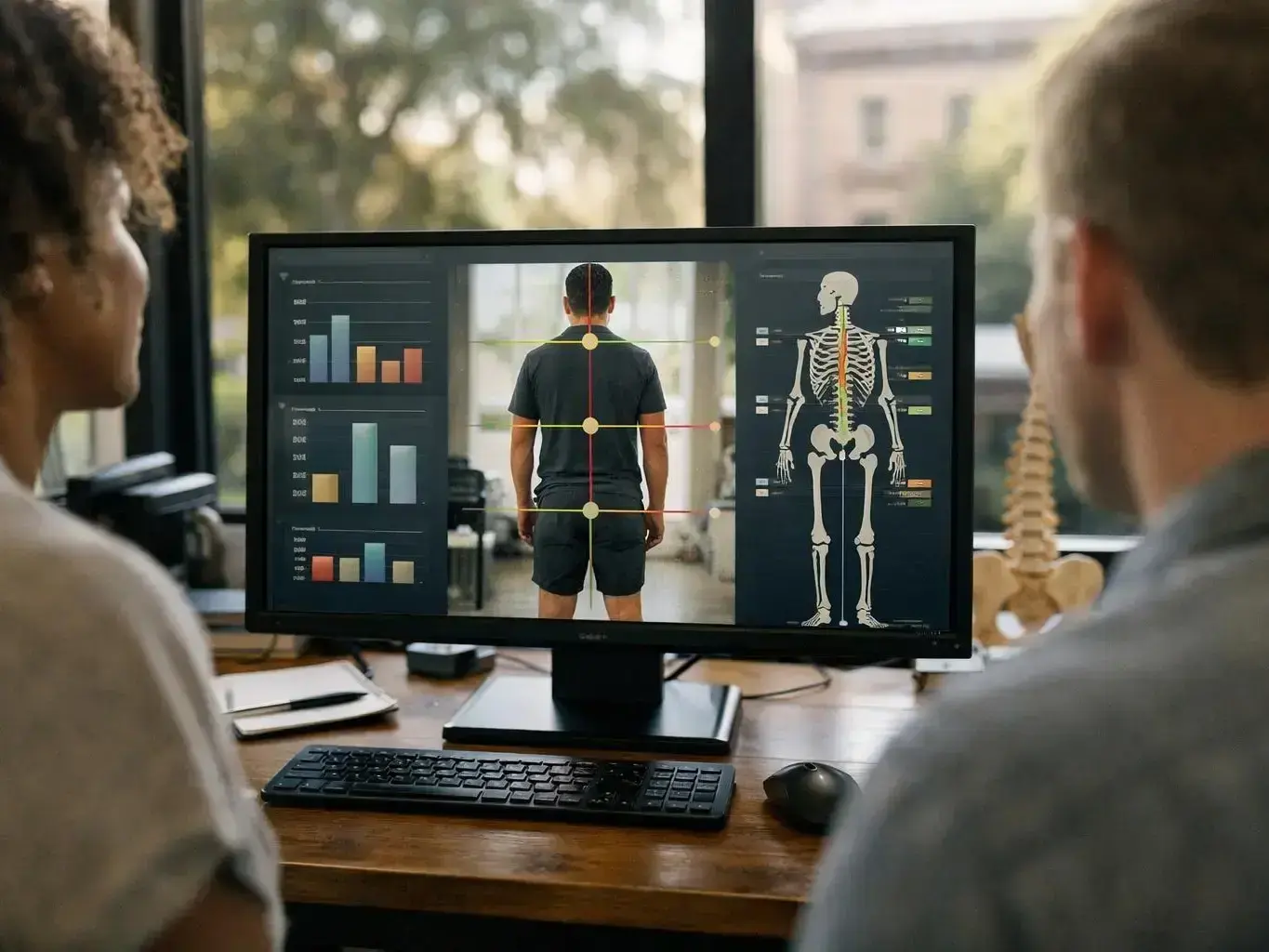
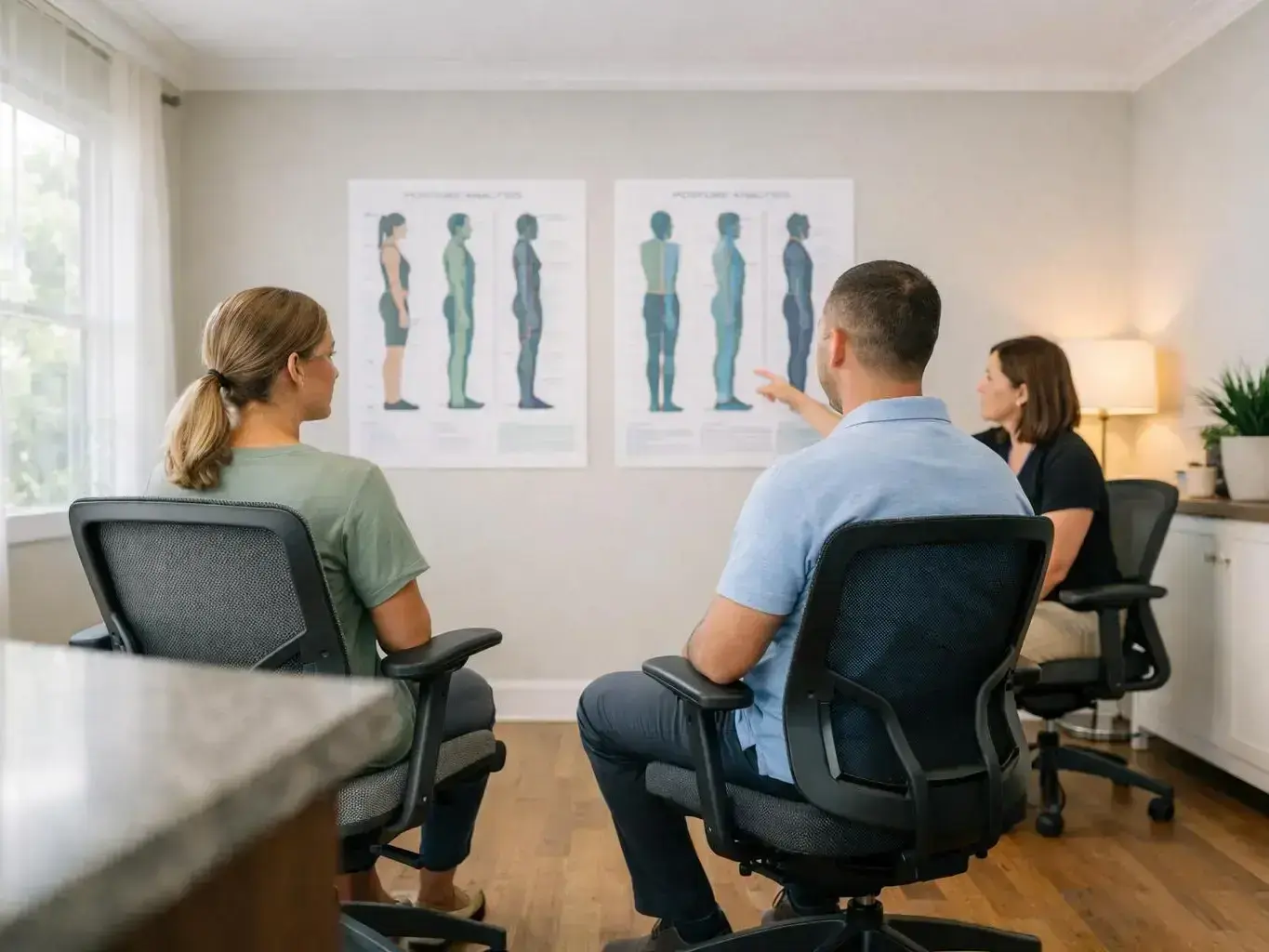
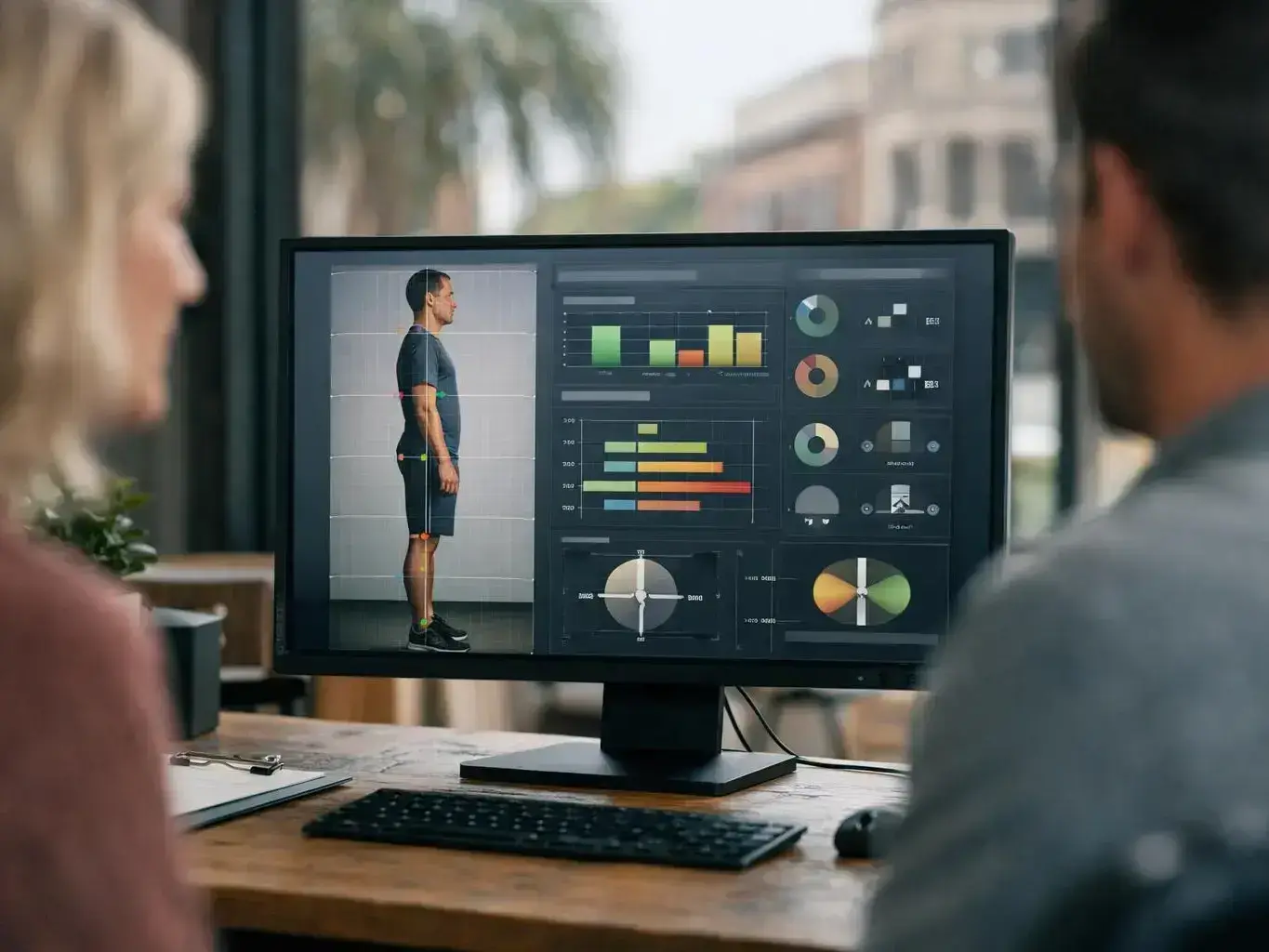
Physical Rehabilitation begins with an assessment to identify the person’s strengths, limitations. And goals. A healthcare provider evaluates movement, strength, flexibility. And pain levels to create a customized plan. The plan may include exercises to build strength, stretches to improve flexibility. And manual therapies like massage or joint mobilization to reduce pain and stiffness. Assistive devices, such as braces or walking aids, may also be used to support recovery.
In practice, Progress is measured regularly to track improvements and adjust the plan as needed. For instance, someone recovering from a shoulder injury might start with gentle range-of-motion exercises and gradually add resistance training as strength returns. Rehabilitation often includes education on proper body mechanics and posture to prevent future injuries. Sessions may take place in clinics, hospitals. Or at home, depending on the person’s needs and abilities.
Why Physical Rehabilitation Matters?
Physical Rehabilitation plays a critical role in helping people regain independence and return to daily activities. Without rehabilitation, injuries or medical conditions can lead to long-term pain, weakness. And disability. For example, someone with chronic back pain may develop poor movement habits that worsen over time, leading to more severe problems. Rehabilitation helps correct these habits, reduces pain. And improves overall function.
Rehabilitation also reduces the need for medications or invasive procedures by addressing the root cause of physical limitations. It empowers individuals to take an active role in their recovery, which can improve confidence and mental well-being. For older adults, rehabilitation can prevent falls and maintain mobility, allowing them to live independently longer. In cases of surgery or serious injury, rehabilitation speeds up recovery and improves outcomes, helping people return to work, sports. Or hobbies more quickly.
When Physical Rehabilitation Matters Most?
Physical Rehabilitation is most important after injuries, surgeries. Or medical events that affect movement and function. Common situations include recovering from joint replacements, spinal surgeries. Or fractures. It is also valuable for managing chronic conditions like arthritis, sciatica. Or neuropathy, where pain and stiffness limit daily activities. Athletes and active individuals often use rehabilitation to recover from sports injuries and return to their activities safely.
Rehabilitation is also critical for people recovering from strokes, neurological disorders. Or prolonged illnesses that weaken muscles and reduce mobility. In these cases, early intervention can prevent complications like muscle contractures or joint stiffness. For example, someone recovering from a stroke may work on regaining balance, coordination. And strength to walk independently again. Rehabilitation is also beneficial for older adults who want to maintain mobility and reduce the risk of falls.