Understanding Spinal Alignment
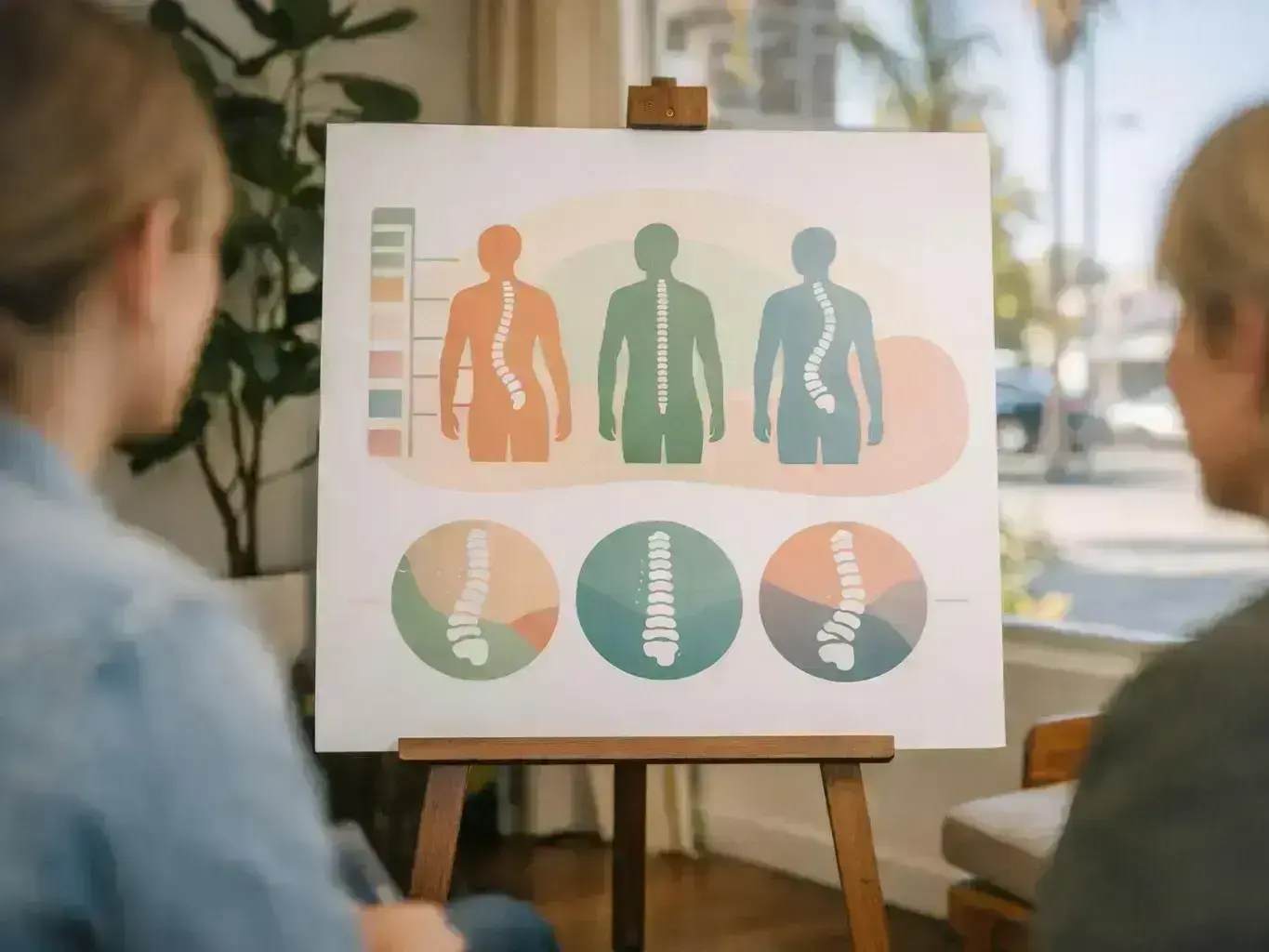
Spinal alignment means how your spine bones line up. These bones are called vertebrae.
Related glossary terms: Chiropractic Adjustment, Posture Correction, Spinal Subluxation.
The spine has natural curves. These curves help it absorb shock. They also support your body's weight.
They protect your spinal cord and nerves. When bones line up right, your spine moves smoothly. Your body works without pain.
Misalignment means bones shift out of place. This is also called subluxation. It can press on nerves.
It can cause muscle tension. It can also lead to discomfort.
Many things can hurt spinal alignment. Poor posture is one. So are injuries and stress.
Sitting slouched at a desk can pull your spine out of shape. A car accident can knock bones out of place.
Over time, misalignment can cause lasting pain. It can give you headaches. It can make moving harder.
Knowing about spinal alignment helps. You can spot when your spine needs help. You can learn good habits too.
How Spinal Alignment Is Checked and Corrected?
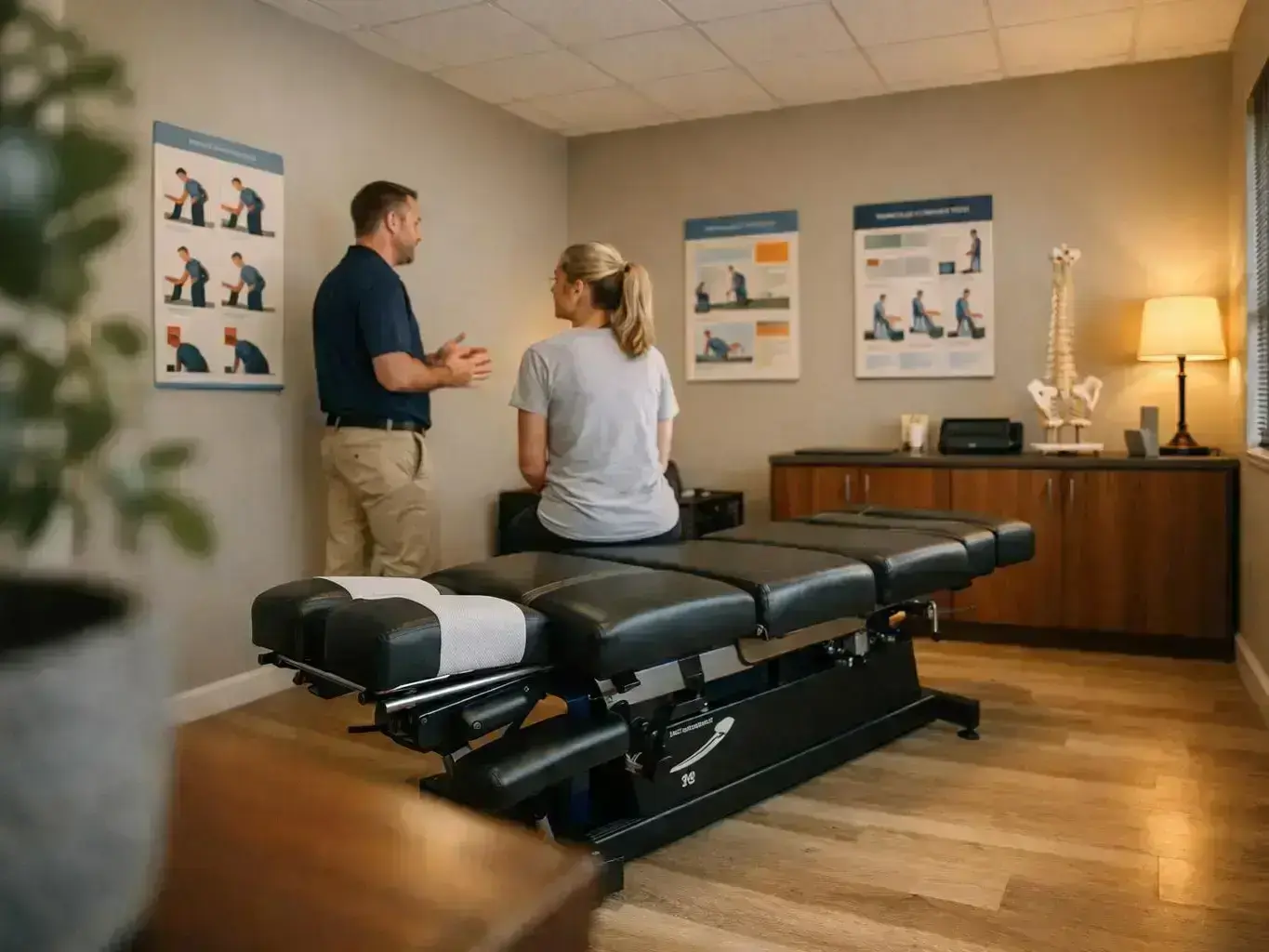
Chiropractors check spinal alignment. They look at your posture. They test how far you can move.
They feel your spine for tight spots. They look for bones out of place. X-rays or MRIs can help too.
These tests show your spine's shape. They find bones that shifted. They spot curves that are too flat or too big.
Chiropractors fix misalignment. They use hands-on adjustments. These are also called spinal manipulations.
They push bones back into place. This helps your spine move right again. Other things can help too.
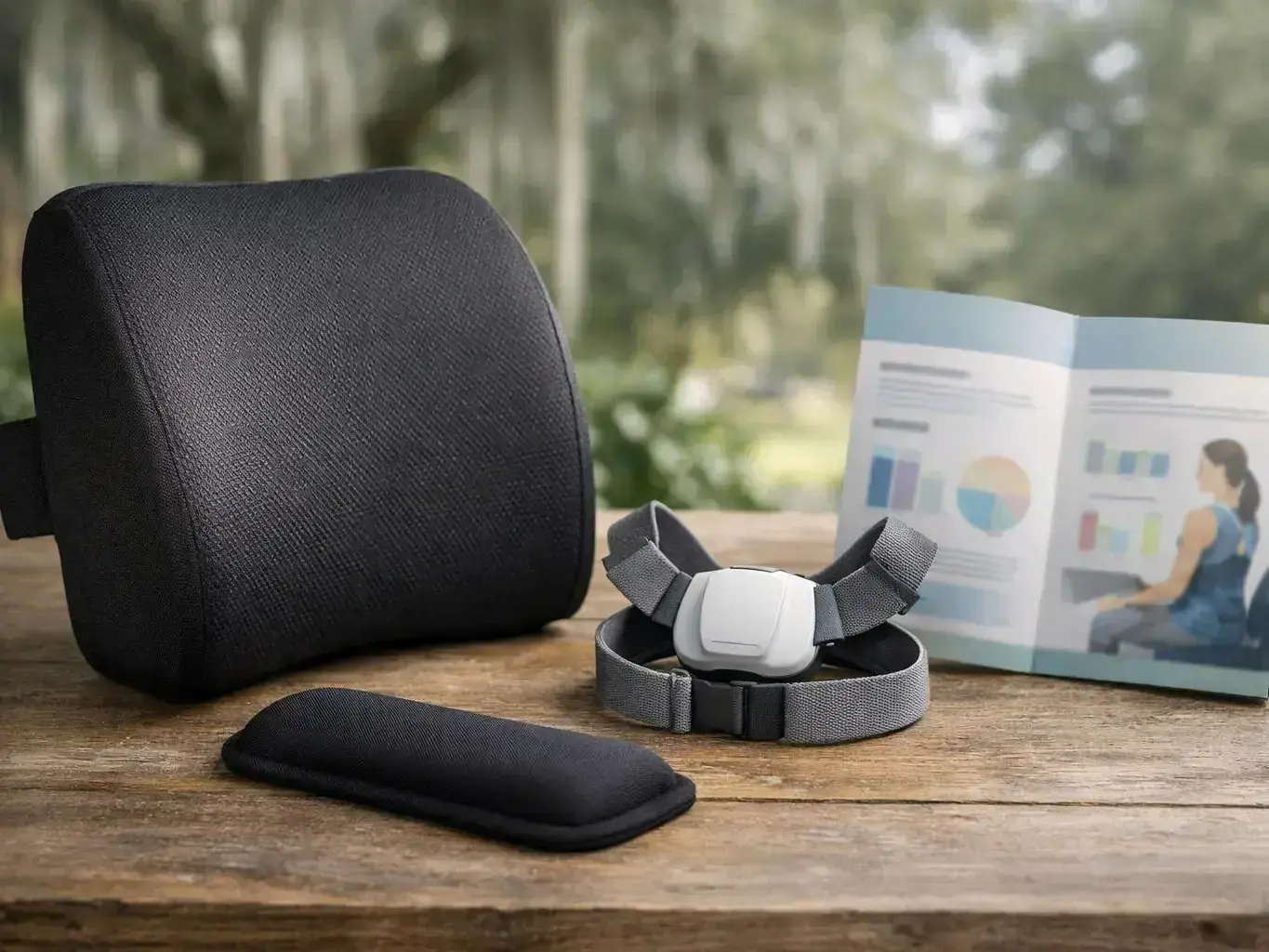
Stretching and exercises make muscles stronger. A good chair can help your posture. These keep your spine healthy.
Why Spinal Alignment Matters?
Good spinal alignment keeps you healthy. It eases stress on muscles and joints. It stops pain and injuries.
It helps your nerves work right. Misaligned bones can irritate nerves. This can cause tingling or weakness.
A straight spine helps you move better. Daily tasks feel easier. Exercise feels more comfortable too.
Spinal alignment helps you long-term. Bad alignment wears your spine down. It can cause arthritis.
It can also hurt your discs. It may affect your breathing. It can even change your mood.
Tension in your spine can stress your body. Good alignment helps your body heal. It helps you work your best.
When Spinal Alignment Matters Most?
Spinal alignment is key after an injury. Falls, accidents. Or sports hits can shift your spine. This can cause pain.
Fixing it fast helps you heal. It stops long-term problems. It makes recovery quicker.
People who sit a lot need to watch their spine. Office workers and drivers sit for hours. This can hurt posture.
Regular checks help. So do ergonomic changes. These keep your spine healthy.
Spinal alignment matters for chronic pain. It matters for frequent headaches. It matters for stiff joints.
These can mean your spine is out of place. Without help, they can get worse. Sciatica is one example.
Sciatica is pain down your leg. A shifted bone can press on a nerve. Chiropractic care can fix this.
Athletes check their alignment too. It helps them perform better. It stops injuries during sports.