Understanding Spinal Subluxation

Spinal subluxation means some bones in your spine move. They don't line up right. The bones stay partly connected.
Related glossary terms: Spinal Alignment, Chiropractic Adjustment, Nerve Compression.
This shift can press on nerves and muscles. It can hurt or make your body work poorly. Your spine protects your nerves.
Even small shifts can mess up signals. These go from your brain to your body.
Subluxations happen from daily things. Bad posture can cause them. So can doing the same motion over and over.
Small injuries can also cause them. Stress and weak muscles can too. So can spine changes as you age.
Some cause pain or stiffness. Others don't show signs right away. If you don't treat them, they can cause big problems later.
They can lead to headaches. You might feel tired. You may not move as well.
How Spinal Subluxation Is Identified and Corrected?
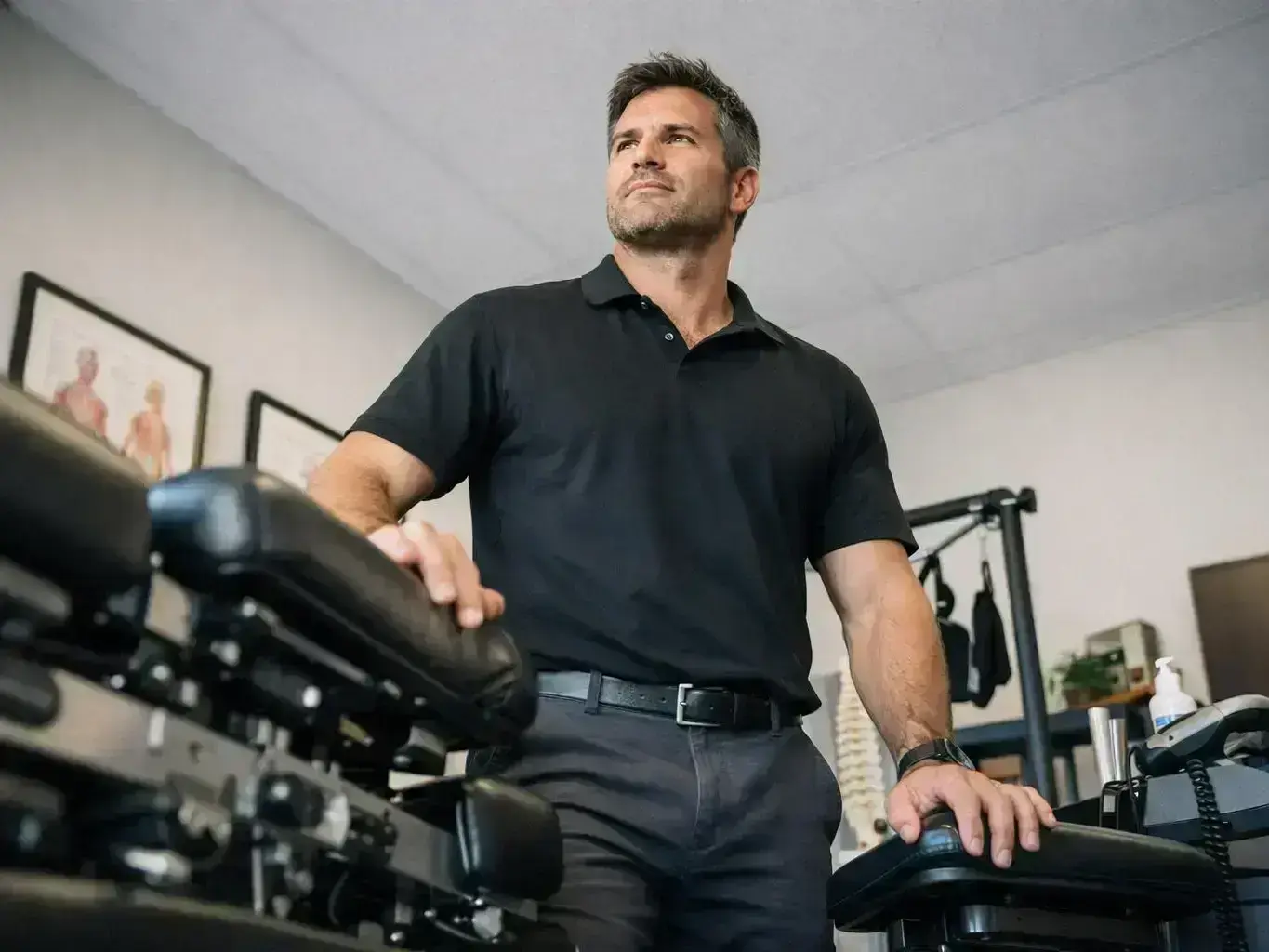
Chiropractors check for subluxations. They do physical exams. They look at your posture.
They may use X-rays (pictures of bones). They check for sore spots. They see if you move well.
They look for tight muscles. They watch how your spine curves. They see how your body makes up for shifts.
The result is important. Once found, they fix the bones. They use their hands or tools.
They move the bones back gently. This helps nerves stop hurting. It lets your spine move right again.
You may need a few visits. It depends on how bad the shift is. Chiropractors may give you exercises.
You might need to stretch. They may tell you how to sit or stand better. This helps your spine between visits.
Some feel better right away. Others get better slowly. Your body needs time to adjust.
Check-ups help keep your spine healthy. They stop new shifts from happening.
Why Spinal Subluxation Matters?
Subluxations don't just hurt your back. Your spine holds your nerves. Shifts can mess up brain signals.
These go to organs, muscles. And skin. This can cause numbness. You might feel tingling.
It can even cause stomach problems. Fixing shifts early helps. It keeps problems from getting worse.
Shifts can also hurt daily life. You might not sleep well. You may feel tired all the time.
You might not focus well. This happens if you're always sore. Athletes may not play as well.
Their bodies may heal slower. Chiropractic care fixes the spine. This helps your whole body feel better.
It doesn't just stop pain. It helps you live better.
When Spinal Subluxation Matters Most?
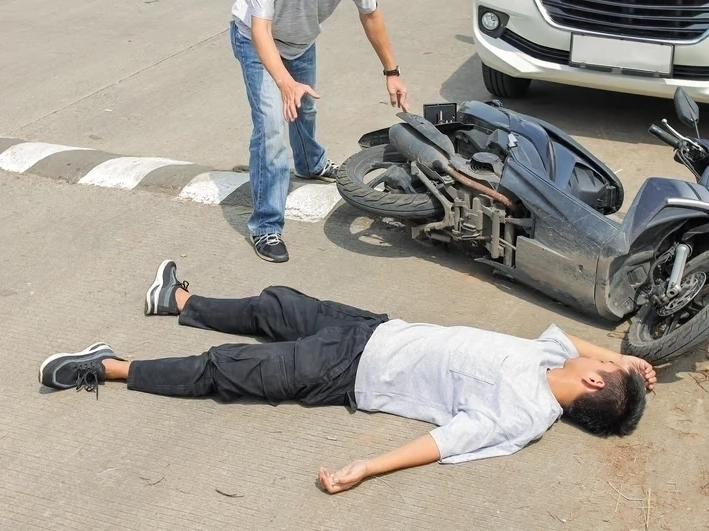
Subluxations matter after spine strain. Car crashes can cause them. So can falls or sports injuries.
Even lifting wrong can shift bones. People who sit a lot get them too. Bad posture for hours hurts your spine.
Watch for signs like stiffness. Headaches can mean shifts. So can pain that spreads.
Catching signs early helps. It stops big problems later.
Some life changes cause shifts too. Pregnancy can do it. So can getting older or gaining weight.
Pregnant women's spines shift. Hormones and weight do this. Older people's spines wear out.
Regular spine checks help. They keep you moving well. This is key if your job is hard on your body.