Understanding TENS Unit
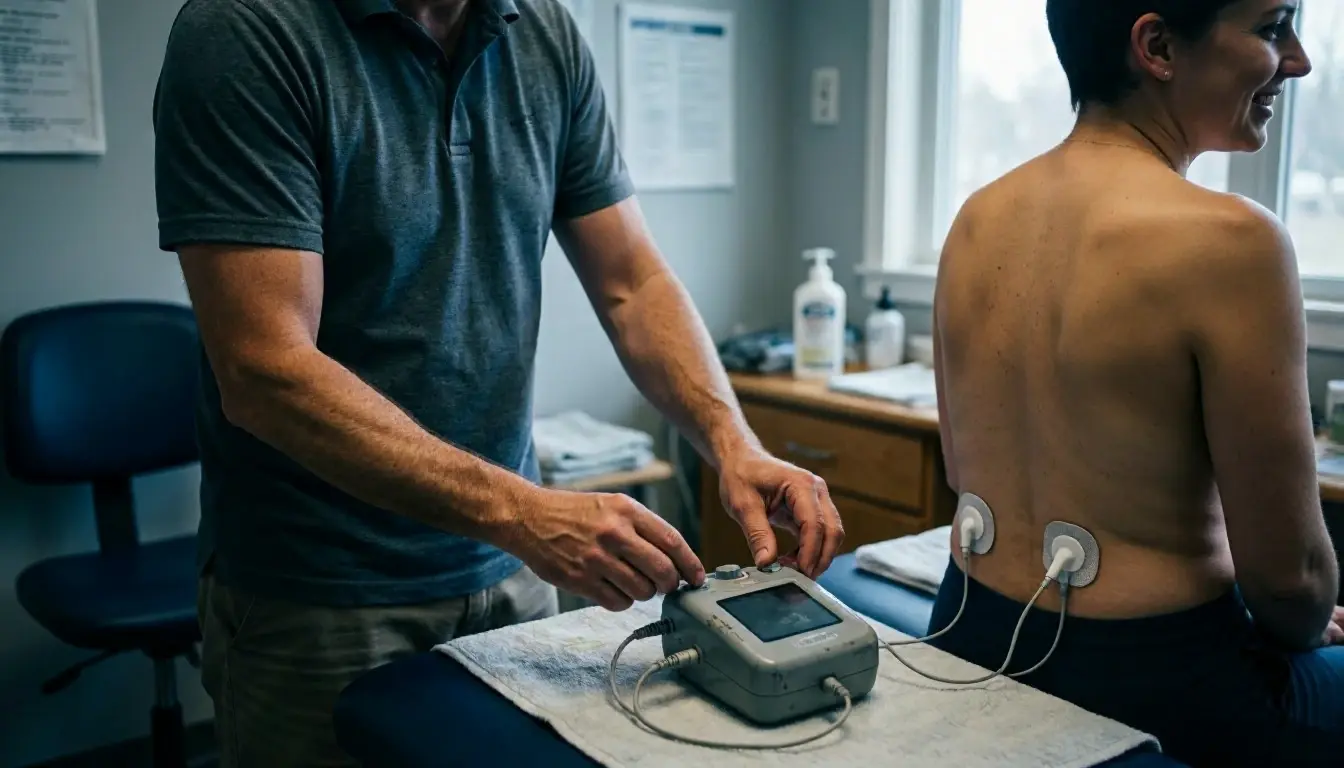
A TENS Unit. Or Transcutaneous Electrical Nerve Stimulation unit, is a portable device designed to help manage pain by sending low-voltage electrical currents through the skin. These currents target nerves to block or reduce pain signals sent to the brain. Unlike medications, a TENS Unit offers a drug-free approach to pain relief, making it a popular choice for people seeking non-invasive treatments. The device is small, easy to use. And can be worn discreetly under clothing during daily activities.
Related glossary terms: Electrotherapy, Chronic Pain, Acute Pain.
TENS Units are commonly used in both clinical settings, like chiropractic offices. And at home under professional guidance. They're particularly helpful for managing chronic conditions such as arthritis, back pain. And neuropathy, as well as acute pain from injuries or post-surgical recovery. While the device doesn't cure the underlying cause of pain, it can provide temporary relief and improve quality of life for many users.
How TENS Unit Works?
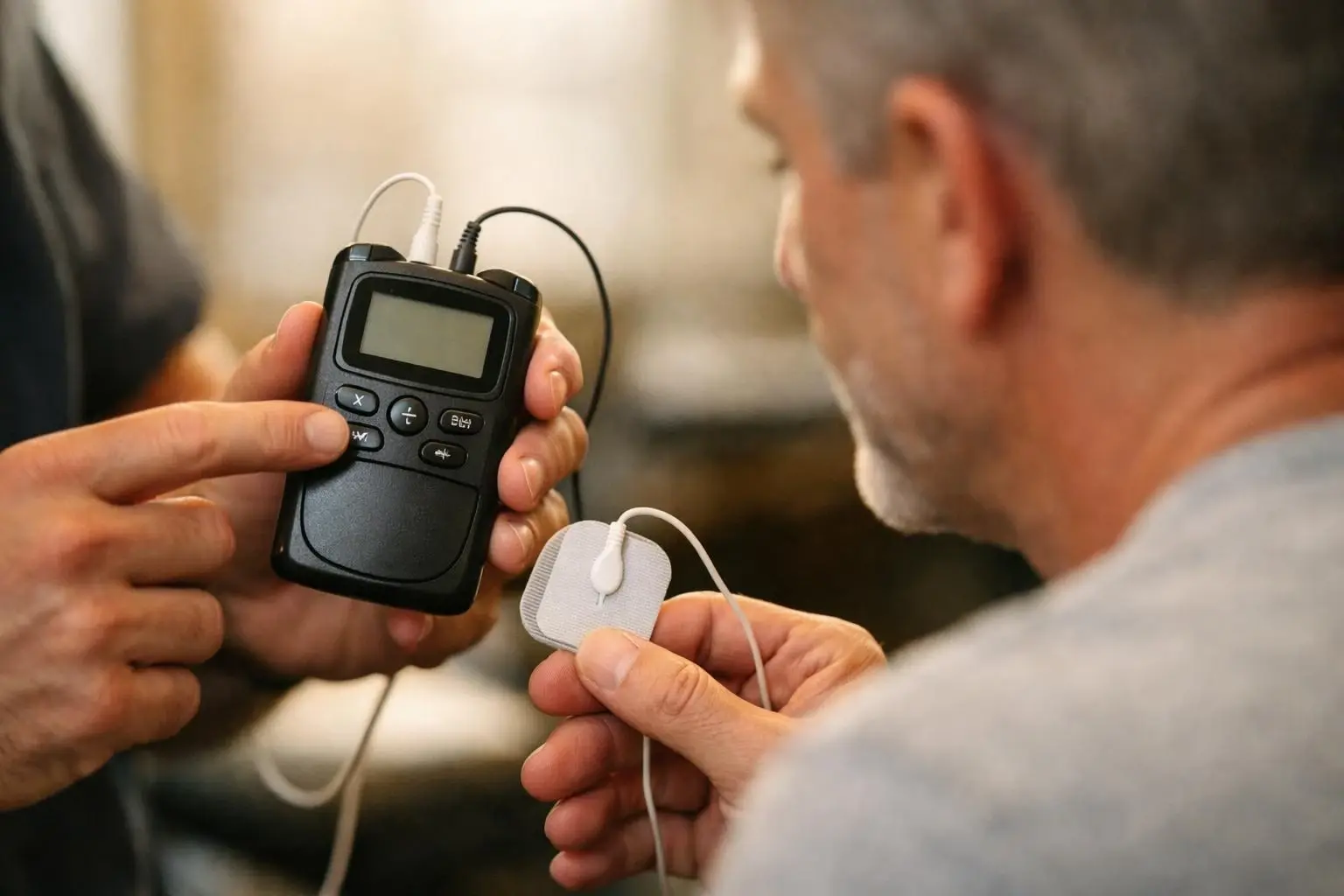
A TENS Unit works by delivering electrical pulses through electrodes placed on the skin near the area of pain. These electrodes are connected to the device via wires or wirelessly, depending on the model. The electrical pulses stimulate the nerves, which can help block pain signals from reaching the brain. And the pulses may encourage the body to release endorphins, natural chemicals that act as pain relievers.
For local customers, The device typically offers adjustable settings, allowing users to control the intensity, frequency. And duration of the electrical pulses. Lower frequencies (around 2-10 Hz) are often used for chronic pain. While higher frequencies (50-100 Hz) may be more effective for acute pain. Some TENS Units also include preset programs for specific types of pain, such as muscle soreness or joint stiffness. Proper electrode placement is key to effectiveness. And a healthcare provider can help determine the best locations for individual needs.
Why TENS Unit Matters?
TENS Units matter because they provide a safe, non-invasive option for pain management that can reduce reliance on medications. For individuals with chronic pain, such as those with osteoarthritis or sciatica, a TENS Unit can offer consistent relief without the side effects associated with painkillers. This can be especially valuable for people who need to avoid certain medications due to allergies, interactions. Or other health concerns.
Beyond pain relief, TENS Units can also help improve mobility and function for people recovering from injuries or surgeries. By reducing pain, the device allows users to engage in physical therapy or daily activities with greater comfort. This can speed up recovery and help individuals return to their normal routines more quickly. And TENS Units are cost-effective compared to long-term medication use or more invasive treatments like injections or surgery.
When TENS Unit Matters Most?
A TENS Unit's most useful in situations where pain interferes with daily life or limits mobility. For example, people with chronic back pain may use a TENS Unit to manage discomfort while sitting at work or performing household tasks. Athletes recovering from muscle strains or joint injuries might also use the device to reduce pain during rehabilitation exercises. In clinical settings, chiropractors and physical therapists often incorporate TENS therapy into treatment plans for conditions like sciatica, neck pain. Or post-surgical recovery.
TENS Units are also valuable for individuals who prefer to avoid medications or have reached the limits of what painkillers can safely provide. But they are not suitable for everyone. People with pacemakers, epilepsy. Or certain heart conditions should avoid using a TENS Unit unless approved by a doctor. Pregnant women should also consult a healthcare provider before using the device, especially on the lower back or abdomen. Proper usage and adherence to safety guidelines are essential to get the most from benefits and cut down on risks.