Glossary

What is Electrotherapy?

Electrotherapy is a medical treatment that uses electrical currents to relieve pain, reduce inflammation. And promote healing in muscles, nerves. And soft tissues. It involves applying controlled electrical impulses through electrodes placed on the skin. Common forms include TENS, interferential current. And muscle stimulation. Used in physical therapy and chiropractic care, electrotherapy is non-invasive and drug-free.

Reviewed by ChiropractorMcDonough.linkSources reviewed: American Physical Therapy Association, National Institutes of Health - MedlinePlus

Quick Facts About Electrotherapy

Category

Physical medicine modality

Used for

Pain relief, muscle re-education, tissue healing

Common confusion

Often mistaken for shock therapy or surgical electrocautery

Also called

Electrical stimulation therapy, E-stim

Often discussed with

Chiropractic Consultation and Diagnosis, Car Accident Injury Rehabilitation

Key Takeaways About Electrotherapy

Understanding Electrotherapy
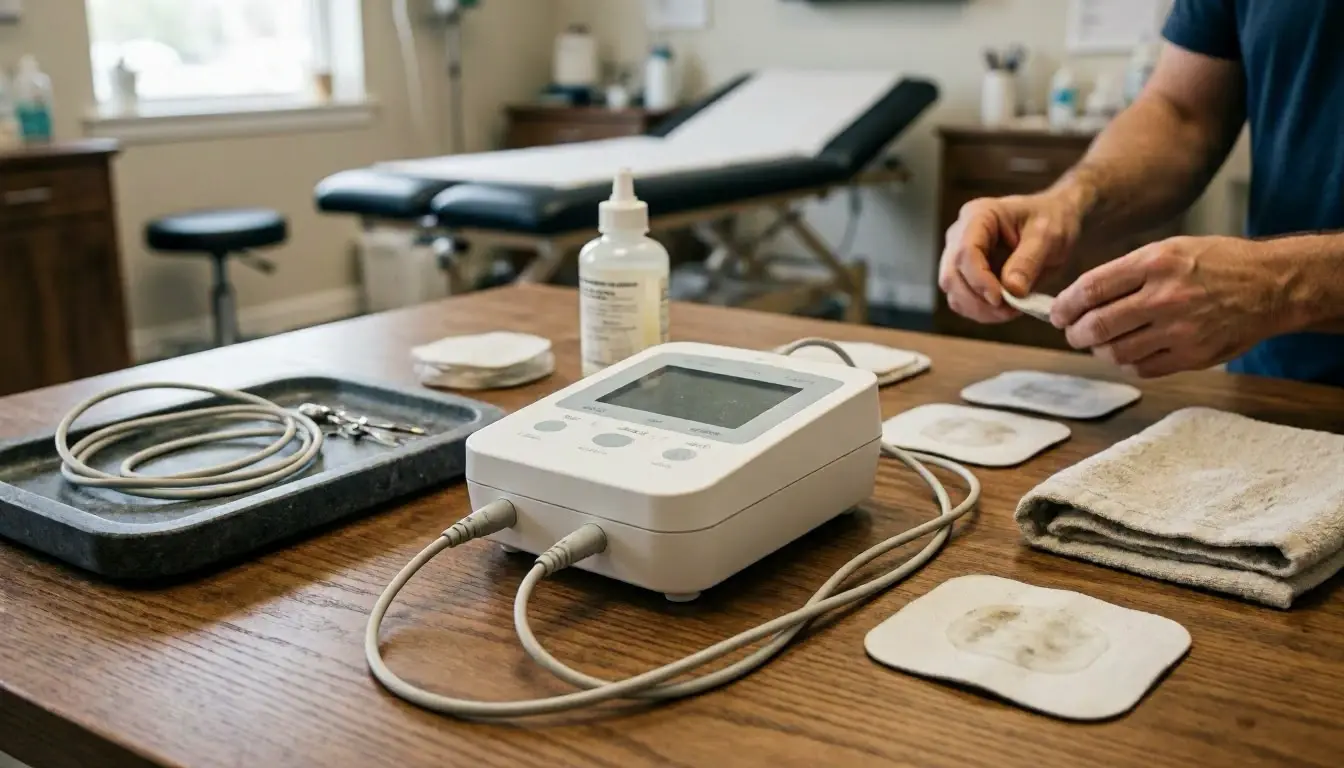
Electrotherapy in Chiropractor: Electrotherapy is a medical treatment that uses electrical currents to relieve pain—visual...

Electrotherapy is a treatment method that delivers small electrical currents to the body to help manage pain, reduce swelling. And support healing. These controlled electrical signals are applied through electrodes placed on the skin near the affected area. The currents stimulate nerves and muscles, which can block pain signals, improve blood flow. And encourage tissue repair. Because it doesn't involve medication or surgery, electrotherapy is considered a safe, non-invasive option for many patients.

Related glossary terms: TENS Unit, Therapeutic Ultrasound, Soft Tissue Therapy.

In chiropractic and physical therapy settings, electrotherapy is often used to complement other treatments like spinal adjustments, massage. Or exercise. It's especially useful for conditions involving muscle spasms, nerve irritation. Or joint inflammation. Patients typically describe the sensation as a mild tingling, buzzing. Or warm vibration. The strength of the current is adjusted to each person’s comfort level, ensuring the treatment remains painless.

How Electrotherapy Works?

Electrotherapy devices generate electrical impulses that travel through wires to adhesive electrodes placed on the skin. These impulses mimic the body’s natural electrical signals, which helps regulate pain perception and muscle function. For example, Transcutaneous Electrical Nerve Stimulation (TENS) units send pulses that block pain messages from reaching the brain. Other types, like interferential current or Russian stimulation, target deeper tissues to reduce swelling or strengthen weakened muscles.

The frequency, intensity. And duration of the electrical pulses can be customized based on the patient’s condition and goals. Low-frequency currents may be used for chronic pain. While higher frequencies can help with acute injury recovery. Treatment sessions usually last between 10 and 30 minutes, depending on the area being treated and the specific therapy protocol. Most patients experience immediate relief. Though multiple sessions may be needed for lasting benefits.

Why Electrotherapy Matters?

How Electrotherapy applies to Chiropractor services in McDonough, United States—practical illustration

Electrotherapy offers a drug-free way to manage pain and speed up recovery, making it valuable for patients who can't or prefer not to use medication. It can reduce reliance on painkillers, especially for chronic conditions like back pain, arthritis. Or nerve damage. By improving circulation and muscle function, electrotherapy also supports rehabilitation after injuries or surgeries. This makes it a practical choice for athletes, workers with repetitive strain injuries. And older adults with joint or muscle stiffness.

Another key benefit is its ability to boost the effects of other treatments. For example, patients receiving chiropractic adjustments may experience greater relief when electrotherapy is used to relax tight muscles or reduce inflammation. This combination can shorten recovery time and improve overall mobility. Because it is non-invasive and has few side effects, electrotherapy is suitable for a wide range of patients, including those with sensitive skin or medical conditions that limit other treatment options.

When Electrotherapy Matters Most?

Electrotherapy is most helpful in situations where pain, swelling. Or muscle weakness interferes with daily activities or recovery. Common uses include managing back or neck pain, recovering from sports injuries. Or rehabilitating after surgery. It is also frequently used for nerve-related conditions like sciatica or carpal tunnel syndrome, where electrical stimulation can help restore normal nerve function. Patients with chronic conditions such as osteoarthritis or fibromyalgia may use electrotherapy regularly to maintain comfort and mobility.

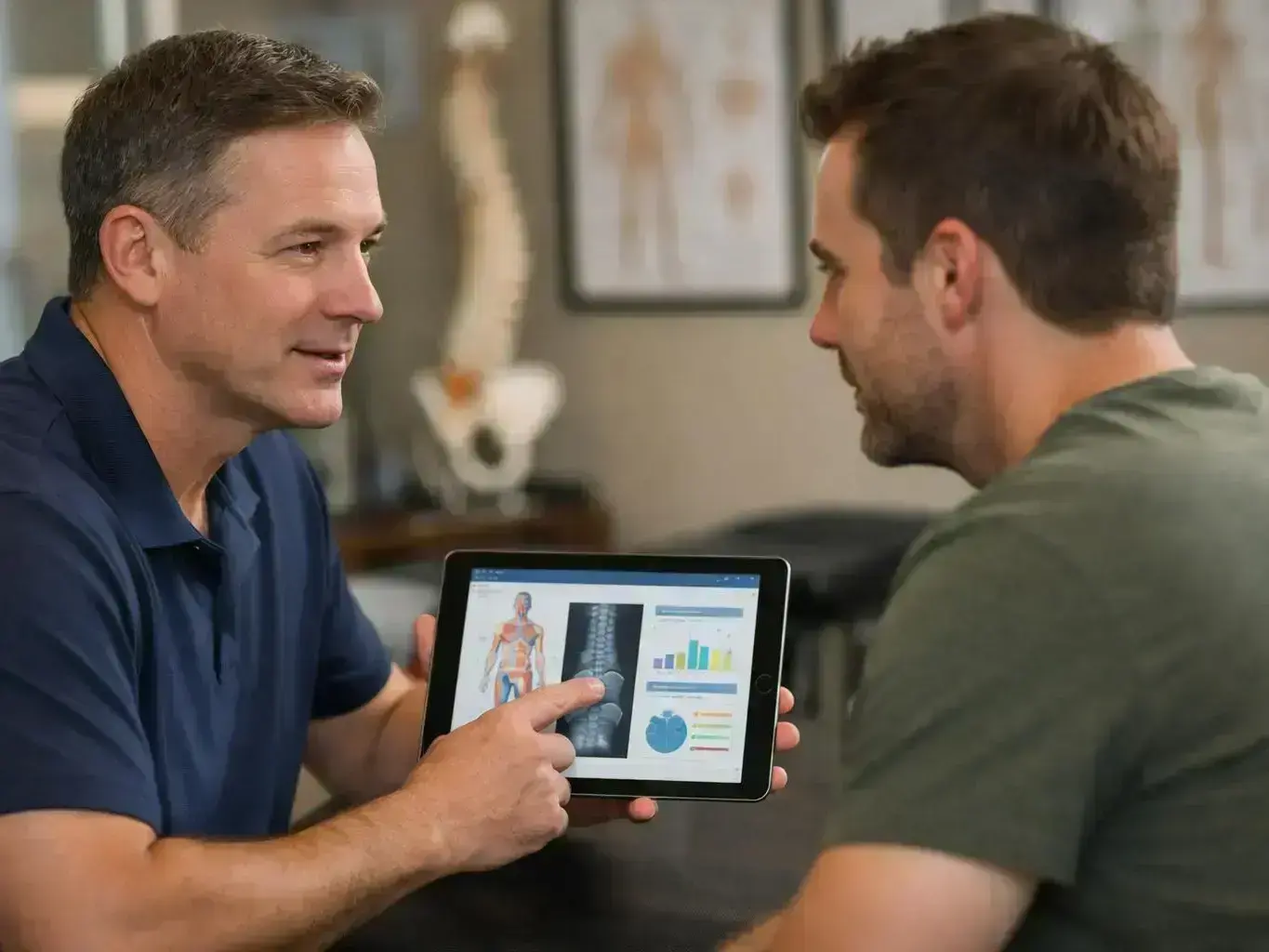
In chiropractic care, electrotherapy is often recommended for patients who need additional support between adjustments. For example, someone with a herniated disc might use electrotherapy to reduce muscle spasms and inflammation before or after a spinal manipulation. It is also a practical option for individuals who cannot tolerate manual therapies due to pain sensitivity. While electrotherapy is generally safe, it may not be suitable for people with pacemakers, certain heart conditions. Or open wounds in the treatment area.


How to Evaluate Electrotherapy?

Related Concepts Compared

Electrotherapy vs. TENS Unit

A TENS unit is a specific type of electrotherapy device used mainly for pain relief. Electrotherapy is a broader category that includes TENS as well as other methods like muscle stimulation or interferential current.

Electrotherapy vs. Therapeutic Ultrasound

Therapeutic ultrasound uses sound waves to promote healing. While electrotherapy uses electrical currents. Both are non-invasive but work through different mechanisms.

Electrotherapy vs. Cold Laser Therapy

Cold laser therapy uses light energy to reduce pain and inflammation, whereas electrotherapy uses electrical impulses. Both are used in physical medicine but target tissues differently.

Expert Note

While electrotherapy is safe for most patients, the effectiveness depends on proper electrode placement and device settings. A well-trained provider tailors the treatment to the patient’s specific condition, avoiding overstimulation or incorrect targeting.

Common Mistakes or Myths About Electrotherapy

  • Assuming all electrotherapy devices work the same way—settings and waveforms vary by condition.
  • Using electrotherapy over broken skin, infections. Or near pacemakers without professional guidance.
  • Expecting immediate, permanent results—multiple sessions are often needed for lasting benefits.
  • Confusing electrotherapy with surgical electrocautery, which uses much stronger currents.

Electrotherapy in Practice: A Real-World Example

After a car accident, a patient in McDonough, GA, experiences neck pain and muscle tightness. Their chiropractor recommends electrotherapy to reduce inflammation and relax the muscles before performing a spinal adjustment. During the session, electrodes are placed on the neck and shoulders, delivering gentle pulses that ease tension and improve mobility.

Related Services

Related Terms

TENS Unit

TENS Unit is a small, battery-powered medical device that delivers mild electrical pulses through electrodes placed on the skin to help relieve pain. TENS stands for Transcutaneous Electrical Nerve Stimulation. And the device is commonly used to manage both acute and chronic pain conditions without medication.

Therapeutic Ultrasound

Therapeutic Ultrasound is a medical treatment that uses high-frequency sound waves to promote healing and reduce pain in muscles, tendons. And joints. The sound waves create deep heat and vibration in body tissues, which can improve blood flow, relax tight muscles. And speed up recovery from injuries. It's commonly used by chiropractors, physical therapists. And sports medicine professionals.

Soft Tissue Therapy

Soft Tissue Therapy is a hands-on treatment method that targets muscles, tendons, ligaments. And fascia to reduce pain, improve mobility. And promote healing. Soft Tissue Therapy includes techniques like massage, stretching. And pressure application to break up scar tissue, relieve tension.

Chiropractic Adjustment

Chiropractic Adjustment is a hands-on procedure where a licensed chiropractor applies controlled force to a specific joint in the spine or other body area to improve alignment, reduce pain. And restore movement. These adjustments aim to correct joint dysfunction caused by injury, poor posture.

Chronic Pain

Chronic Pain is persistent discomfort lasting three months or longer, even after an injury or illness has healed. Chronic Pain often stems from nerve damage, inflammation. Or musculoskeletal conditions like arthritis or disc problems. Unlike short-term pain, it can affect daily activities, mood.

ChiropractorMcDonough.link

Have Questions About Electrotherapy?

Contact ChiropractorMcDonough.link for practical guidance on Electrotherapy and related chiropractor work in McDonough.

+1 770-637-6261