Glossary

What is Therapeutic Ultrasound?

Therapeutic Ultrasound is a medical treatment that uses high-frequency sound waves to promote healing and reduce pain in muscles, tendons. And joints. The sound waves create deep heat and vibration in body tissues, which can improve blood flow, relax tight muscles. And speed up recovery from injuries. It's commonly used by chiropractors, physical therapists. And sports medicine professionals.

Reviewed by ChiropractorMcDonough.linkSources reviewed: American Physical Therapy Association, National Institutes of Health - Therapeutic Ultrasound

Quick Facts About Therapeutic Ultrasound

Category

Physical therapy modality

Used for

Pain relief, tissue healing. And muscle relaxation

Common confusion

Different from diagnostic ultrasound (imaging)

Also called

Ultrasound Therapy, Ultrasonic Therapy

Often discussed with

Sports Injury Chiropractic Care, Car Accident Injury Rehabilitation

Key Takeaways About Therapeutic Ultrasound

Understanding Therapeutic Ultrasound
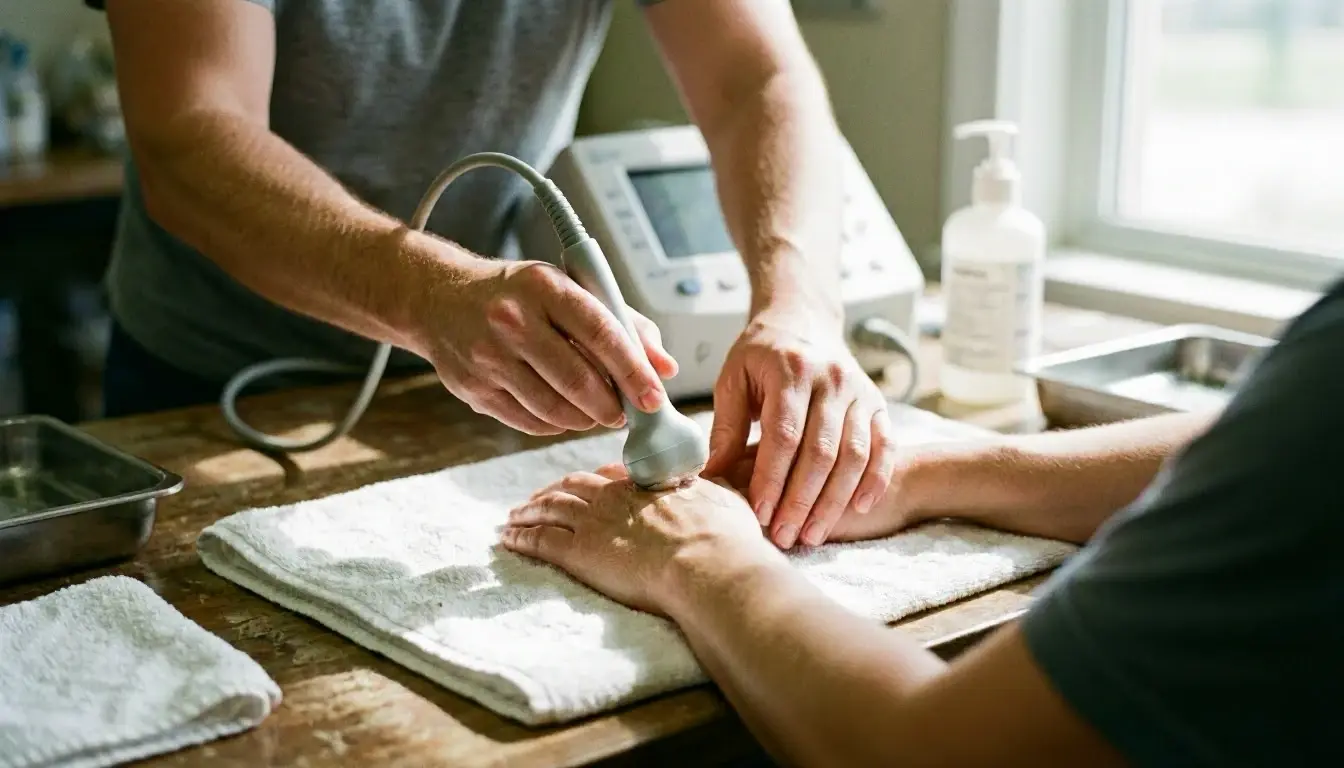
Therapeutic Ultrasound in Chiropractor: Therapeutic Ultrasound is a medical treatment that uses high-frequency sound waves...

Therapeutic ultrasound helps the body heal. It uses sound waves to treat muscles and other soft parts.

Related glossary terms: Cold Laser Therapy, Electrotherapy, Soft Tissue Therapy.

This ultrasound is not for pictures. It treats muscles, tendons. And ligaments instead. The waves are too high to hear.

But they create heat deep inside. This heat relaxes tight muscles. It also cuts swelling and helps blood flow.

Better blood flow helps injuries heal faster.

This treatment is common in chiropractic care. It is also used in physical therapy and sports medicine.

It helps with muscle strains and sprains. It also helps with tendonitis and stiff joints.

It does not use medicine or cuts. Many people add it to other treatments.

These may include exercises or chiropractic adjustments. You may feel better right away.

But you might need more sessions for lasting help.

How Therapeutic Ultrasound Works?

The ultrasound device is small. It looks like a wand connected to a machine.

A gel goes on your skin first. This helps the sound waves go in smoothly.

The wand moves in slow circles. It goes over the hurt or sore spot.

The waves go through your skin. They make the tissues underneath vibrate.

These vibrations make heat. The heat goes deeper than a heating pad.

The heat and vibrations do good things. They bring more blood to the area.

More blood means more oxygen and food for healing. They also break up scar tissue.

This cuts stiffness in muscles and joints. Each treatment lasts 5 to 10 minutes.

It depends on the injury size and settings. The sound strength can be changed.

This keeps you comfortable.

Therapeutic ultrasound is usually safe. But don't use it near the eyes.

Don't use it on the spine or broken skin. Some health problems don't mix with it.

These include cancer, infections. And blood clots. A trained person will check first.

They will ask about your health. This makes sure it's safe for you.

Why Therapeutic Ultrasound Matters?
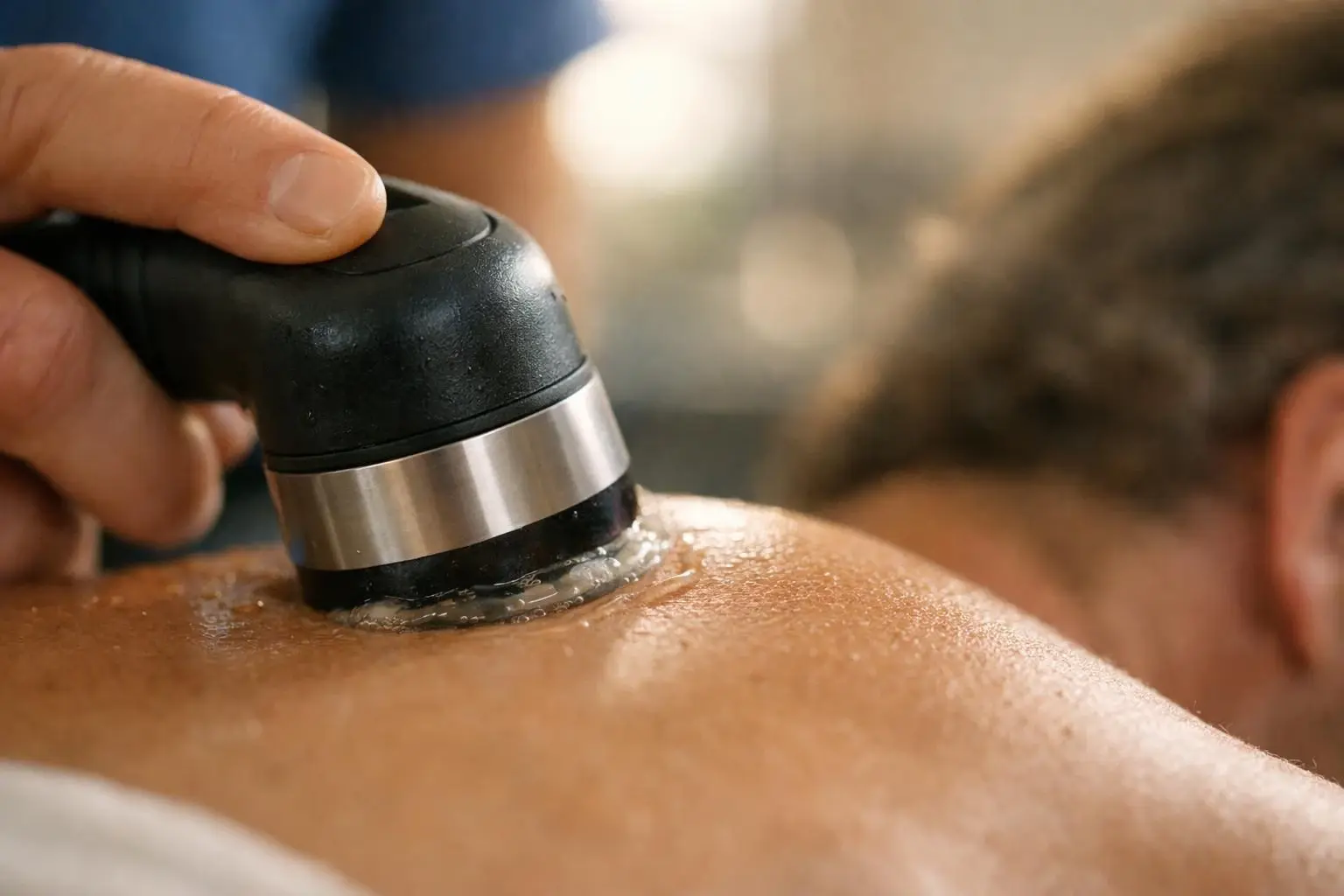
How Therapeutic Ultrasound applies to Chiropractor services in McDonough, United States—practical illustration

Therapeutic ultrasound helps without drugs. It eases pain and speeds up healing.

Many people like treatments that don't need surgery. They also don't want medicine.

This is good for long-term problems or sports injuries. The heat goes deep.

It reaches spots that ice or heat packs can't. This makes it useful for muscle and joint issues.

You can mix it with other treatments. A chiropractor might use it first.

It relaxes tight muscles. This makes adjustments easier and better.

Physical therapists use it with exercises. It helps patients get stronger and move better.

It is gentle and has few side effects. Many people can use it safely.

Athletes and older adults like it too.

When Therapeutic Ultrasound Matters Most?

Therapeutic ultrasound helps most with certain problems. It works well for muscle strains.

It also helps with sprains and tendonitis. People healing from surgery may use it.

It cuts scar tissue and helps flexibility. Athletes use it to heal faster.

It helps after hard workouts or games.

It also helps with long-term pain. It eases stiffness from arthritis.

It helps with plantar fasciitis too. But it doesn't cure these problems.

It is part of a bigger plan. This may include exercises or lifestyle changes.

In McDonough, GA, chiropractors use it often. Physical therapists use it too.

It helps people heal from injuries. It also helps manage pain and move better.

Active people like it. This includes athletes and workers.

It helps those hurt in car accidents too. It is safe and works well.

Doctors often add it to full care plans.
How to Evaluate Therapeutic Ultrasound?

Related Concepts Compared

Therapeutic Ultrasound vs. Cold Laser Therapy

Cold Laser Therapy uses light energy to reduce pain and inflammation. While Therapeutic Ultrasound uses sound waves to create deep heat and vibration in tissues.

Therapeutic Ultrasound vs. TENS Unit

A TENS Unit uses electrical pulses to block pain signals. While Therapeutic Ultrasound uses sound waves to promote healing and reduce pain.

Therapeutic Ultrasound vs. Diagnostic Ultrasound

Diagnostic Ultrasound creates images of the inside of the body. While Therapeutic Ultrasound is used to treat injuries and promote healing.

Expert Note

Therapeutic ultrasound is most effective when combined with active rehabilitation, such as stretching or strengthening exercises. The heat and vibration prepare the tissues for movement, making it easier to regain flexibility and strength after an injury.

Common Mistakes or Myths About Therapeutic Ultrasound

  • Thinking therapeutic ultrasound is the same as diagnostic ultrasound used for imaging.
  • Believing it can cure conditions like arthritis or disc herniations on its own.
  • Using it on broken skin, near the eyes. Or over the spine without professional guidance.
  • Expecting immediate, permanent results after just one session.
  • Assuming all ultrasound devices are safe for home use without training.

Therapeutic Ultrasound in Practice: A Real-World Example

A runner in McDonough, GA, sprains their ankle during a race. After resting and icing the injury, their chiropractor recommends therapeutic ultrasound to help reduce swelling and improve blood flow. The treatment helps relax the tight muscles around the ankle, making it easier for the runner to start gentle exercises and return to running sooner.

Related Services

Related Terms

Cold Laser Therapy

Cold Laser Therapy is a non-invasive treatment that uses low-level laser light to stimulate healing and reduce pain and inflammation in muscles, joints. And soft tissues. Cold Laser Therapy doesn't produce heat, making it safe for use on injuries without damaging surrounding tissue. It's commonly used in chiropractic care, physical therapy. And sports medicine to accelerate recovery.

Electrotherapy

Electrotherapy is a medical treatment that uses electrical currents to relieve pain, reduce inflammation. And promote healing in muscles, nerves. And soft tissues. It involves applying controlled electrical impulses through electrodes placed on the skin. Common forms include TENS, interferential current. And muscle stimulation. Used in physical therapy and chiropractic care, electrotherapy is non-invasive and drug-free.

Soft Tissue Therapy

Soft Tissue Therapy is a hands-on treatment method that targets muscles, tendons, ligaments. And fascia to reduce pain, improve mobility. And promote healing. Soft Tissue Therapy includes techniques like massage, stretching. And pressure application to break up scar tissue, relieve tension.

Chiropractic Adjustment

Chiropractic Adjustment is a hands-on procedure where a licensed chiropractor applies controlled force to a specific joint in the spine or other body area to improve alignment, reduce pain. And restore movement. These adjustments aim to correct joint dysfunction caused by injury, poor posture.

Myofascial Release

Myofascial Release is a hands-on therapy technique that applies gentle, sustained pressure to the myofascial connective tissue to eliminate pain and restore motion. Myofascial Release targets tightness and restrictions in the fascia, the thin layer of tissue covering muscles, bones. And organs throughout the body, helping to improve flexibility and reduce discomfort.

ChiropractorMcDonough.link

Have Questions About Therapeutic Ultrasound?

Contact ChiropractorMcDonough.link for practical guidance on Therapeutic Ultrasound and related chiropractor work in McDonough.

+1 770-637-6261