Understanding Myofascial Release
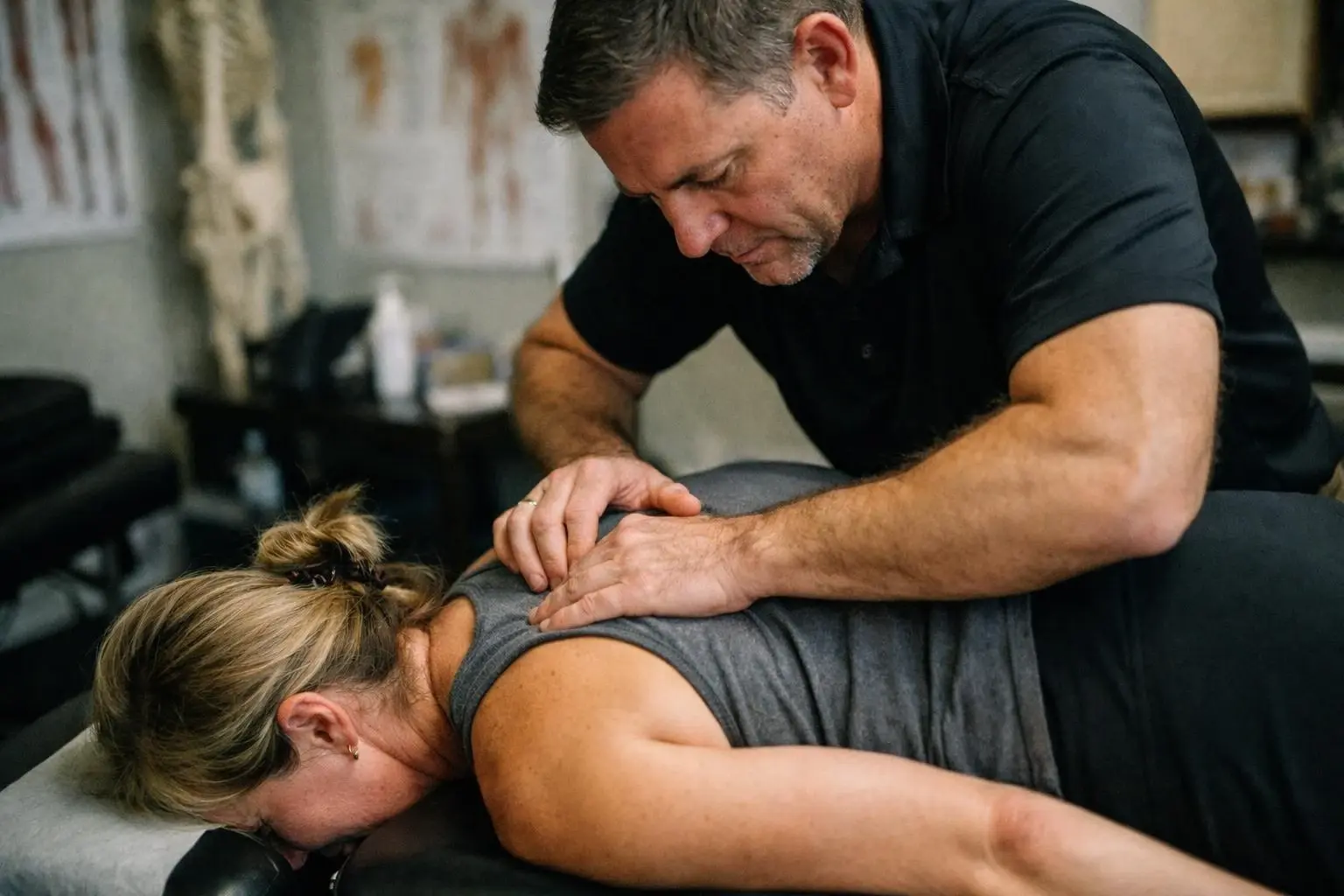
Myofascial Release is a special hands-on therapy. It helps with tight spots in your fascia. Fascia is like a web that holds your body together.
Related glossary terms: Soft Tissue Therapy, Trigger Point Therapy, Manual Therapy.
Fascia wraps around muscles, bones, nerves. And organs. It gives your body shape and support. But it can get tight from injury, swelling. Or bad posture.
When fascia gets tight, it causes pain. It can make you stiff. You might not move as well. Myofascial Release helps loosen these tight spots.
The therapist pushes slowly on the tight areas. This lets the fascia stretch and relax. Tension goes away.
This therapy is not like regular massage. Massage mostly works on muscles. Myofascial Release works on the fascia itself.
The therapist feels for tight spots. They press gently and hold for minutes. This helps the fascia soften and let go.
It breaks up knots in the tissue. This helps you move better. It also cuts down on pain. People often feel warmth or stretching as it works.
How Myofascial Release Works?
Myofascial Release helps fascia in two ways. It works on how fascia moves. It also works on how nerves talk to fascia.
Fascia can get tight from injury or stress. It can also get tight from sitting wrong too long. This causes stiffness and pain.
The therapist presses on the tight spots. This stretch helps fascia go back to normal. It becomes flexible again.
This also helps your body heal. It boosts blood flow. It cuts down on swelling.
Therapists usually use their hands. Some teach you to use tools at home. You can use foam rollers or balls.
The therapist checks how you move. They find tight spots. Then they press on those spots.
They hold the pressure until the spot lets go. This can take 90 seconds or more. The goal is to fix the whole fascial web.
This helps you move better. It also cuts down on pain.
- Direct Myofascial Release: The therapist presses right on the tight spot. This stretches and loosens it.
- Indirect Myofascial Release: The therapist uses light pressure. This helps the fascia relax on its own. It's good for sore spots.
- Self-Myofascial Release: You do this at home. You use tools like rollers or balls.
Why Myofascial Release Matters?
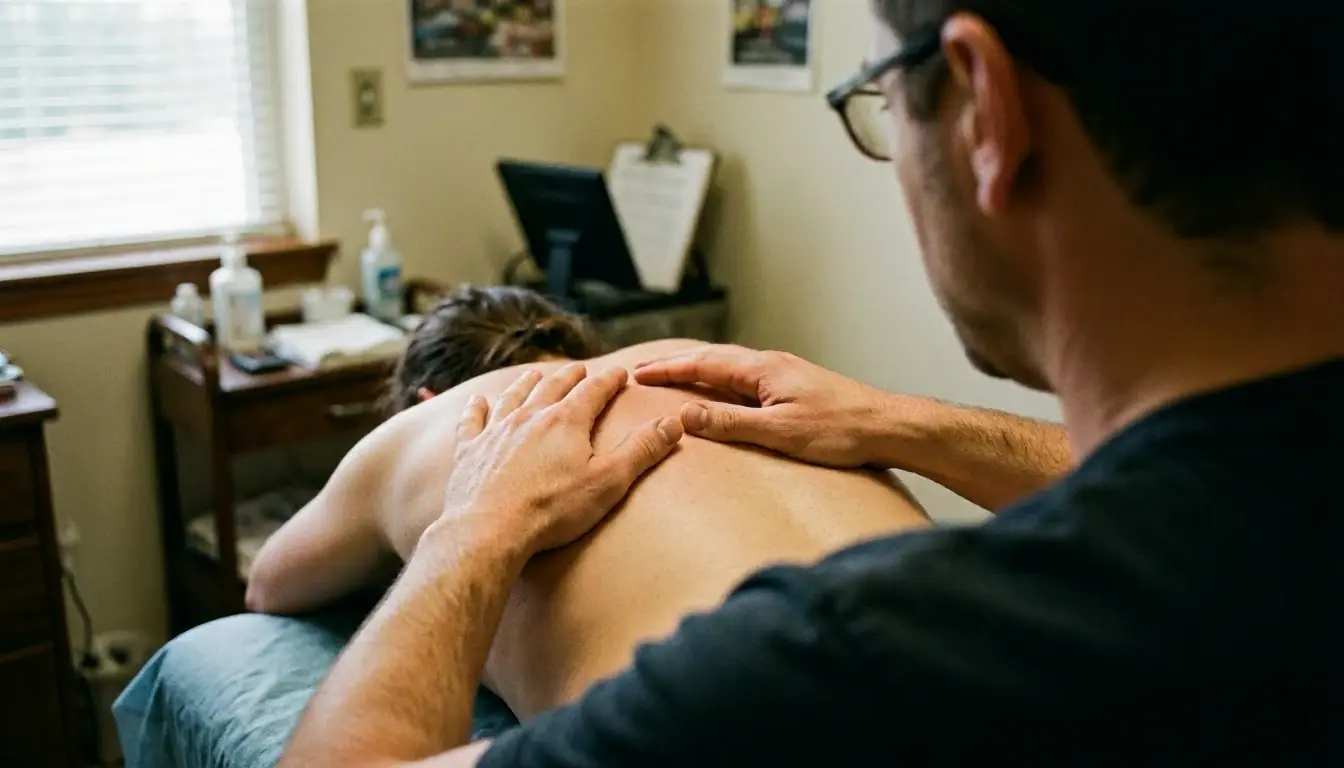
Myofascial Release is important. Fascia helps you move and work right. When fascia gets tight, it causes problems.
Tight fascia can lead to long-term pain. It can make your posture bad. You might not move as far as you should.
Your body may use other muscles to avoid pain. This can cause more hurt later. Myofascial Release helps stop this.
It lets you move normally again. It cuts down on pain. It helps your whole body work better.
People with long-term pain get help from this. It works for back, neck. Or headaches. Athletes use it to stay flexible.
It helps them avoid injuries. It also helps them do better. Fascia connects everything in your body.
Fixing tight fascia can help more than one spot. It can help your whole body move better. It makes you feel good.
When Myofascial Release Matters Most?
Myofascial Release helps when other things don't. Rest, ice. Or pills might not work. It's good for back pain, sciatica. And more.
People hurt in accidents or sports can use it. It helps with tight fascia from healing. It also helps with carpal tunnel and foot pain.
It's good for people who sit too much. Bad posture can make fascia tight. This causes neck, shoulder. Or hip pain.
Myofascial Release can loosen these spots. It helps you sit and stand better. It cuts down on pain.
It's part of recovery after surgery or injury. It helps you move right again. It keeps problems from coming back.
In McDonough, GA, chiropractors use this therapy. It helps with soft tissue problems. These can make joints work wrong.
Chiropractors mix Myofascial Release with adjustments. This gives better pain relief. It helps you move better too.