Glossary

What is Neuromuscular Reeducation?

Neuromuscular Reeducation is a therapeutic technique designed to restore normal communication between nerves and muscles. It helps retrain the body to move correctly after injuries, surgeries. Or chronic conditions by improving coordination, balance. And muscle activation patterns. This process often involves guided exercises and manual therapy to correct faulty movement habits.

Reviewed by ChiropractorMcDonough.linkSources reviewed: American Physical Therapy Association, National Institutes of Health - Neuroplasticity

Quick Facts About Neuromuscular Reeducation

Category

Rehabilitative therapy

Used for

Injury recovery, chronic pain, movement dysfunction

Common confusion

Often mistaken for general strength training

Also called

Neuromuscular Retraining, Movement Reeducation

Often discussed with

Car Accident Injury Rehabilitation, Sports Injury Chiropractic Care

Key Takeaways About Neuromuscular Reeducation

Understanding Neuromuscular Reeducation
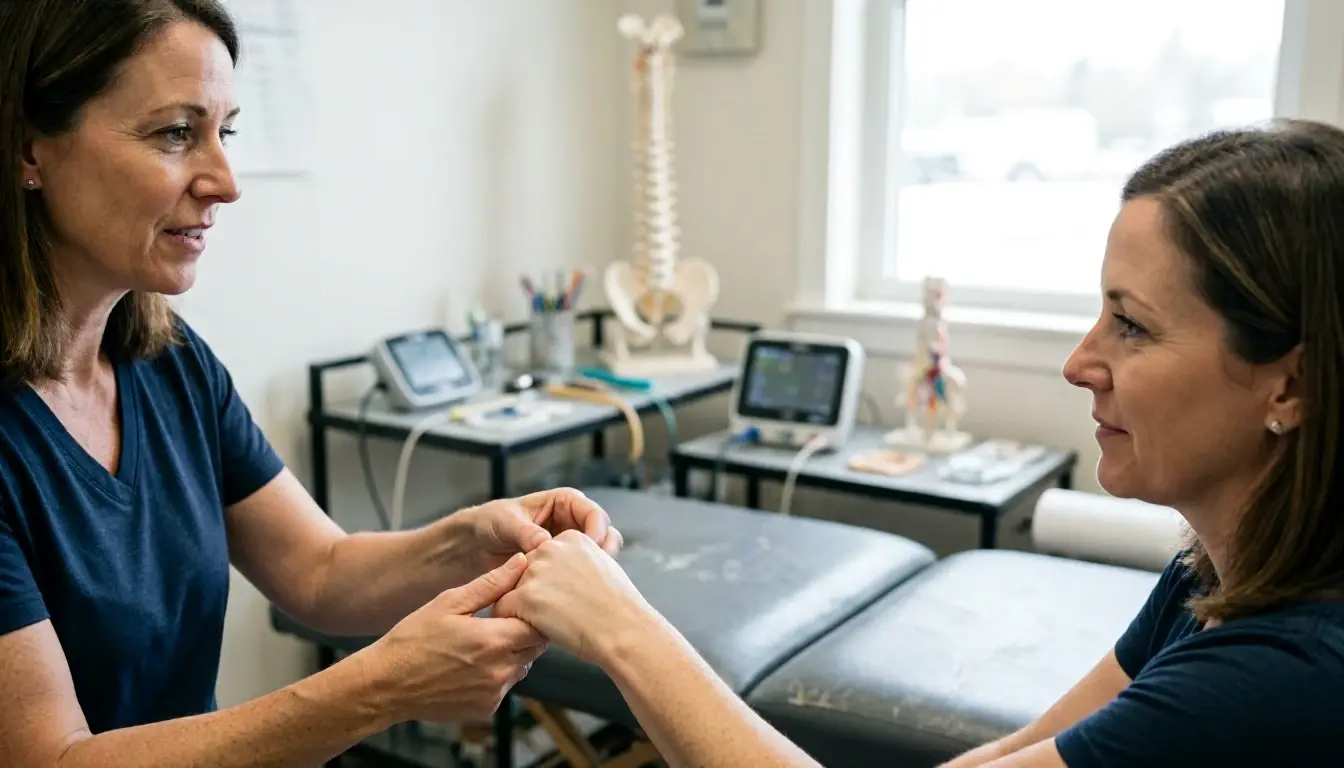
Neuromuscular Reeducation in Chiropractor: Neuromuscular Reeducation is a therapeutic technique designed to restore normal...

Neuromuscular reeducation helps nerves and muscles work together. It's a special kind of therapy.

Related glossary terms: Manual Therapy, Myofascial Release, Chronic Pain.

Injuries, surgeries. Or long-term problems can break this teamwork. Your body then moves in wrong ways.

Wrong ways can cause pain, weakness. Or trouble moving. For example, limping after an ankle sprain can hurt your knee.

It can also hurt your hip or back. This therapy finds and fixes those wrong ways.

It teaches your nerves to send the right signals. Then your muscles move the right way again.

This therapy works because of neuroplasticity. That's a big word for how your brain learns.

Your brain can make new paths. These paths help your body move better.

You do the same movements over and over. This helps your brain learn the right way.

Soon, you move better without thinking. You feel less pain and move more easily.

The therapist first checks how you move. Then they pick exercises just for you.

This is not like lifting weights. It's not about making muscles bigger.

It's about moving the right way. It's about working together better.

How Neuromuscular Reeducation Works?

This therapy fixes the real problem. It doesn't just hide the pain.

The therapist first checks your body. They look for nerves and muscles not talking right.

Someone with back pain might use their back too much. They don't use their stomach or butt enough.

The therapist sees this. They make a plan just for you.

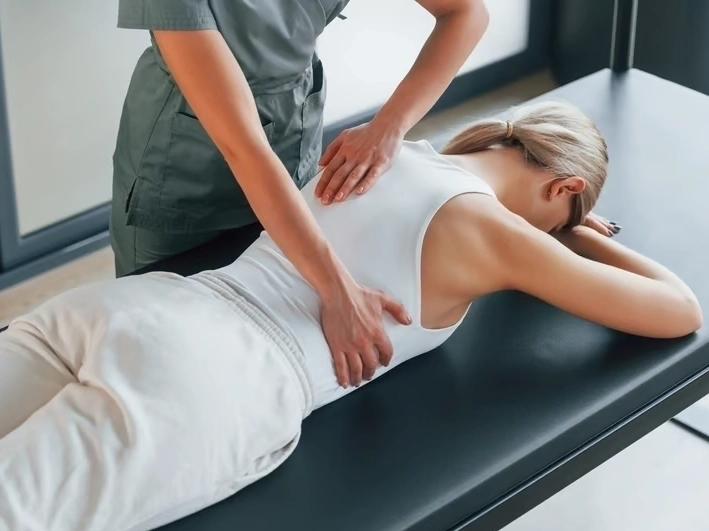
They might use hands-on help. This is called manual therapy.

One kind is myofascial release. That means loosening tight spots in your body.

Another is joint mobilization. That means moving joints gently to help them work better.

Then you do special exercises. These teach your body the right way to move.

You might practice squatting or lifting. You might work on walking better.

This helps you move better every day. Some tools can help too.

One is called electromyography (EMG). It shows how your muscles work in real time.

You can see if you're doing it right. Then you can fix it right away.

You know it's working when you move better. You feel less pain.

You can do more things easily. Like walk without limping or climb stairs.

How long it takes depends on you. Some people need weeks. Some need months.

You have to keep practicing. That's how you get lasting results.

Why Neuromuscular Reeducation Matters?
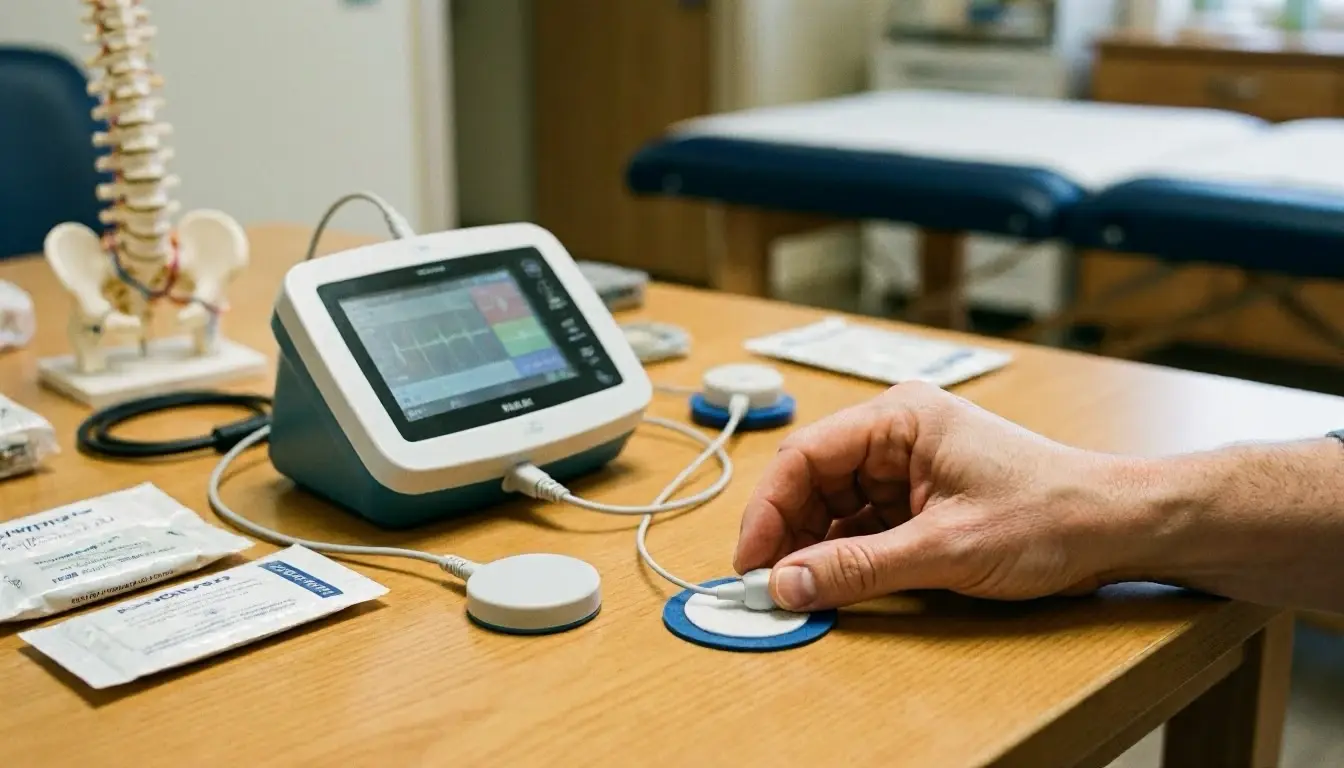
How Neuromuscular Reeducation applies to Chiropractor services in McDonough, United States—practical illustration

This therapy matters because it fixes the real problem. It doesn't just cover up pain.

Many people move wrong after an injury. Their body tries to help but makes things worse.

Someone with a bad shoulder might stop moving it. Then other muscles get too weak or too tight.

This therapy teaches your body to work right again. You break the bad cycle.

You learn to move without pain. That's the big win.

It helps people after surgery. Like new knees or backs.

Your body must learn to move again. This therapy helps it learn the right way.

Athletes use it too. They want to move better and avoid injuries.

Older adults can use it as well. It helps them stay strong and move easily.

When Neuromuscular Reeducation Matters Most?

This therapy helps when bad movement causes pain. It also helps when you can't move well.

It's great after surgery. Your body needs to learn to move again safely.

Someone with a fixed shoulder might need this. It helps them use their shoulder right.

Then they don't hurt it again.

It helps with long-term pain too. Like bad backs or stiff joints.

Bad movement makes pain worse. This therapy teaches better ways to move.

Athletes use it to heal. They also use it to get better at their sport.

Older people or those with brain problems use it too. It helps them walk and balance better.

In McDonough, GA, chiropractors use this therapy. They help people after car crashes or sports injuries.

They also help with work injuries. This therapy helps people move better faster.

Then they can get back to their daily life. They won't have long-term pain.
How to Evaluate Neuromuscular Reeducation?

Related Concepts Compared

Neuromuscular Reeducation vs. Physical Therapy

Physical therapy often focuses on strengthening muscles and improving range of motion. While Neuromuscular Reeducation specifically targets the communication between nerves and muscles to correct faulty movement patterns.

Neuromuscular Reeducation vs. Strength Training

Strength training builds muscle mass and endurance, whereas Neuromuscular Reeducation retrains the nervous system to activate muscles correctly for efficient, pain-free movement.

Neuromuscular Reeducation vs. Myofascial Release

Myofascial release is a manual therapy technique that targets tight or restricted tissues. While Neuromuscular Reeducation combines manual therapy with guided exercises to improve movement patterns.

Expert Note

Neuromuscular Reeducation is not a one-size-fits-all approach. Effective treatment requires a thorough assessment of each patient's unique movement patterns and dysfunctions. Combining manual therapy with targeted exercises yields the best results, as it addresses both tissue restrictions and neural adaptations.

Common Mistakes or Myths About Neuromuscular Reeducation

  • Assuming Neuromuscular Reeducation is the same as general strength training.
  • Expecting immediate results without consistent practice and repetition.
  • Focusing only on pain relief without addressing movement patterns.
  • Skipping the assessment phase and jumping straight into exercises.
  • Ignoring the role of the nervous system in movement dysfunction.

Neuromuscular Reeducation in Practice: A Real-World Example

After a car accident, a patient in McDonough, GA, develops chronic neck pain and headaches. Their chiropractor identifies that the patient is overusing their upper trapezius muscles while underusing their deep neck flexors. Through Neuromuscular Reeducation, the patient learns exercises to activate the correct muscles and manual therapy to release tension, reducing pain and improving movement.

Sources & Further Reading on Neuromuscular Reeducation

Related Services

Related Terms

Manual Therapy

Manual Therapy is a hands-on clinical approach used by chiropractors, physical therapists. And other healthcare providers to diagnose, treat. And prevent musculoskeletal pain and dysfunction. Manual Therapy includes techniques such as joint mobilization, manipulation, soft tissue work. And stretching to improve mobility, reduce pain.

Myofascial Release

Myofascial Release is a hands-on therapy technique that applies gentle, sustained pressure to the myofascial connective tissue to eliminate pain and restore motion. Myofascial Release targets tightness and restrictions in the fascia, the thin layer of tissue covering muscles, bones. And organs throughout the body, helping to improve flexibility and reduce discomfort.

Chronic Pain

Chronic Pain is persistent discomfort lasting three months or longer, even after an injury or illness has healed. Chronic Pain often stems from nerve damage, inflammation. Or musculoskeletal conditions like arthritis or disc problems. Unlike short-term pain, it can affect daily activities, mood.

Posture Analysis

Posture Analysis is a systematic assessment of how a person holds their body while standing, sitting. Or moving. It identifies misalignments, muscle imbalances. Or joint stress that may contribute to pain, injury. Or reduced mobility. Chiropractors and healthcare providers use this process to create targeted treatment plans for improving spinal health and overall well-being.

Soft Tissue Therapy

Soft Tissue Therapy is a hands-on treatment method that targets muscles, tendons, ligaments. And fascia to reduce pain, improve mobility. And promote healing. Soft Tissue Therapy includes techniques like massage, stretching. And pressure application to break up scar tissue, relieve tension.

ChiropractorMcDonough.link

Have Questions About Neuromuscular Reeducation?

Contact ChiropractorMcDonough.link for practical guidance on Neuromuscular Reeducation and related chiropractor work in McDonough.

+1 770-637-6261