How can athletes reduce the risk of reinjury?
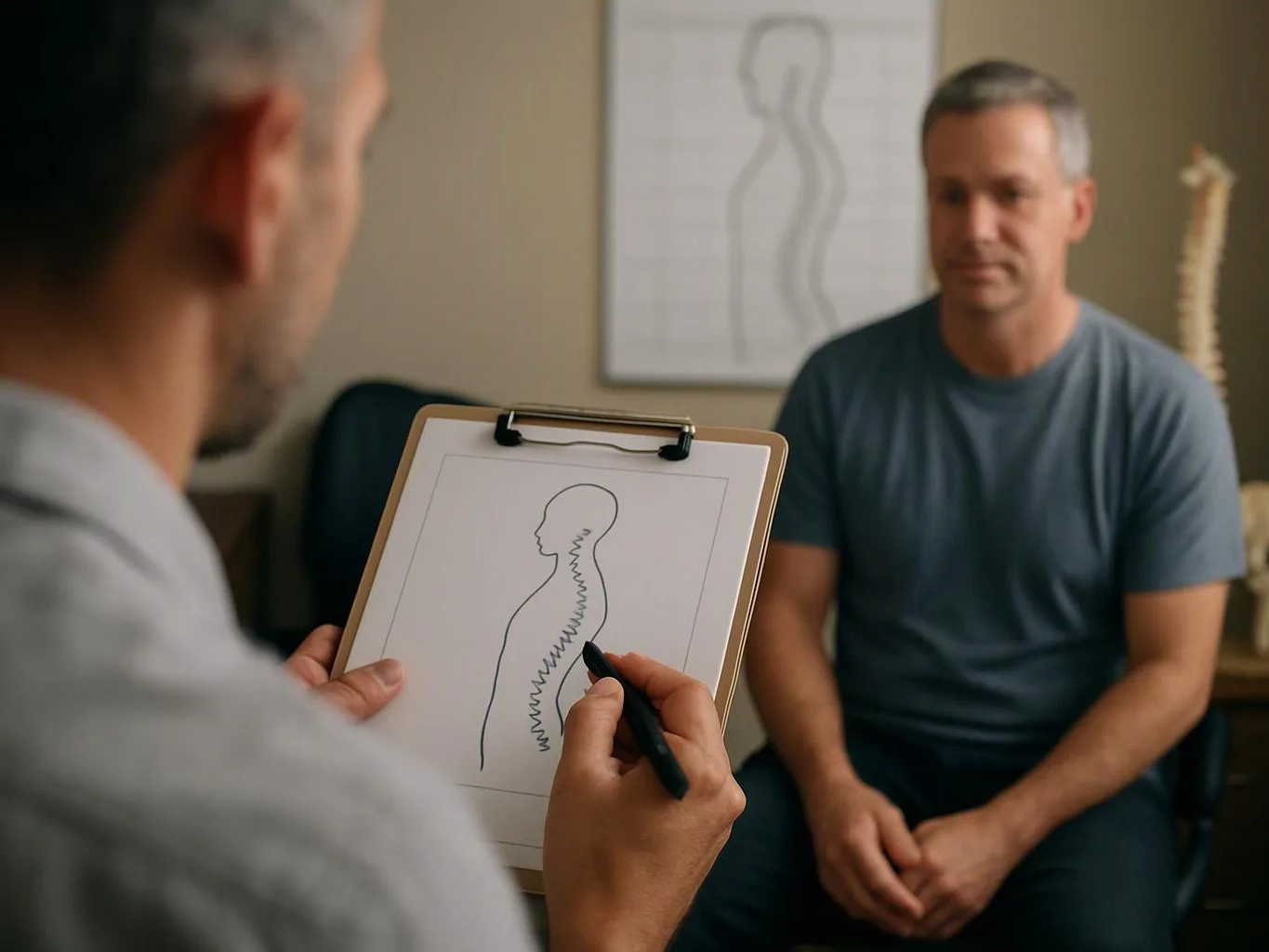
Technique correction is the main way athletes can reduce reinjury risk when poor movement contributes to symptoms. Arrowhead Clinic Chiropractor McDonough reviews movement habits, mobility, strength, and recovery needs. A plan may include chiropractic adjustments, soft tissue therapy, mobility drills, and a gradual return to activity. Individual response differs, so progress should guide training changes.
What should I bring to the first sports injury visit?
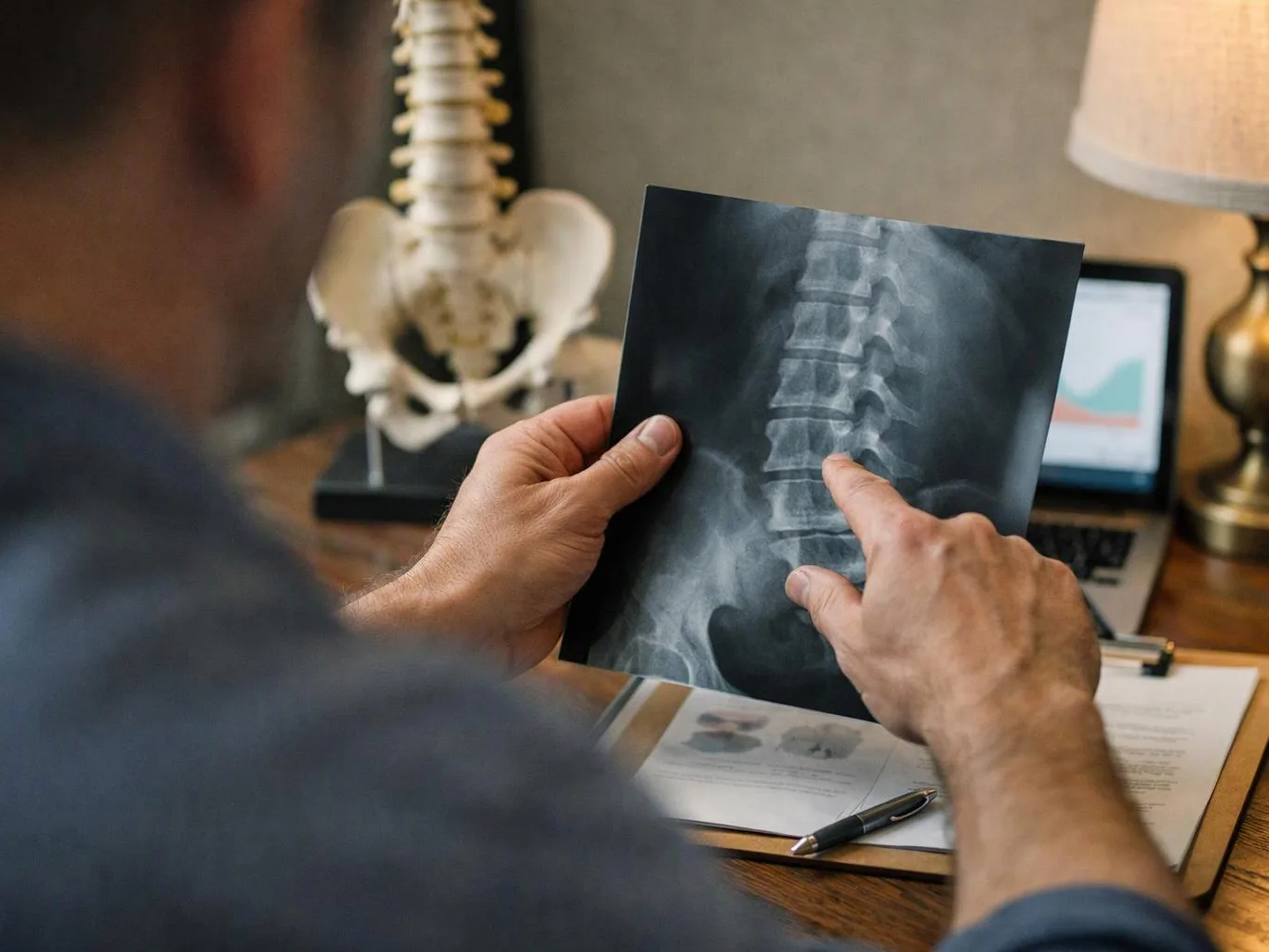
An injury history, symptom notes, and a list of current care help us start the first visit. Bring details about the activity that caused the problem, movements that trigger pain, and changes in training. Medical records can help when another clinician has examined the injury. You don't need an attorney to discuss sports injury care.
Which signs mean a sports injury needs medical attention first?
Severe pain, major swelling, numbness, sudden weakness, or a suspected fracture needs prompt medical assessment first. These signs may point to an injury that requires care beyond chiropractic treatment. Our team can discuss your symptoms and available options, but urgent concerns should not wait for routine sports injury planning.
When should training stop after an injury?
Training should stop when activity causes sharp pain, increasing swelling, loss of strength, or worsening function. Resting the painful movement helps prevent extra stress while you decide on care. A phone discussion can cover the injury and next steps. Return planning should follow the exam and your response to care.
Why does my injury hurt again after it seemed better?
Pain can return when training increases before movement control, strength, or recovery has caught up. Repeating the same drill may also keep stressing the affected area. We review the activity, technique, mobility, and recovery pattern to guide the next step. Results vary, and recurring symptoms deserve a fresh assessment.
Can chiropractic care help with a minor sports injury?
Yes, chiropractic care may help with some minor sports injuries that involve pain, stiffness, or restricted movement. We first review the injury history and examine the affected motion. Care may include adjustments, soft tissue therapy, and movement guidance. Severe symptoms or suspected fractures need medical assessment before this type of care.
How does the clinic decide which exercises fit my injury?
Exercise choices follow the injury history, exam findings, painful motions, and activity demands. We may discuss mobility drills, strength training, or recovery changes after reviewing those details. The goal is to match movement work to your current tolerance. Stop an exercise that worsens symptoms and discuss the change with the care team.