Glossary

What is Decompression Therapy?

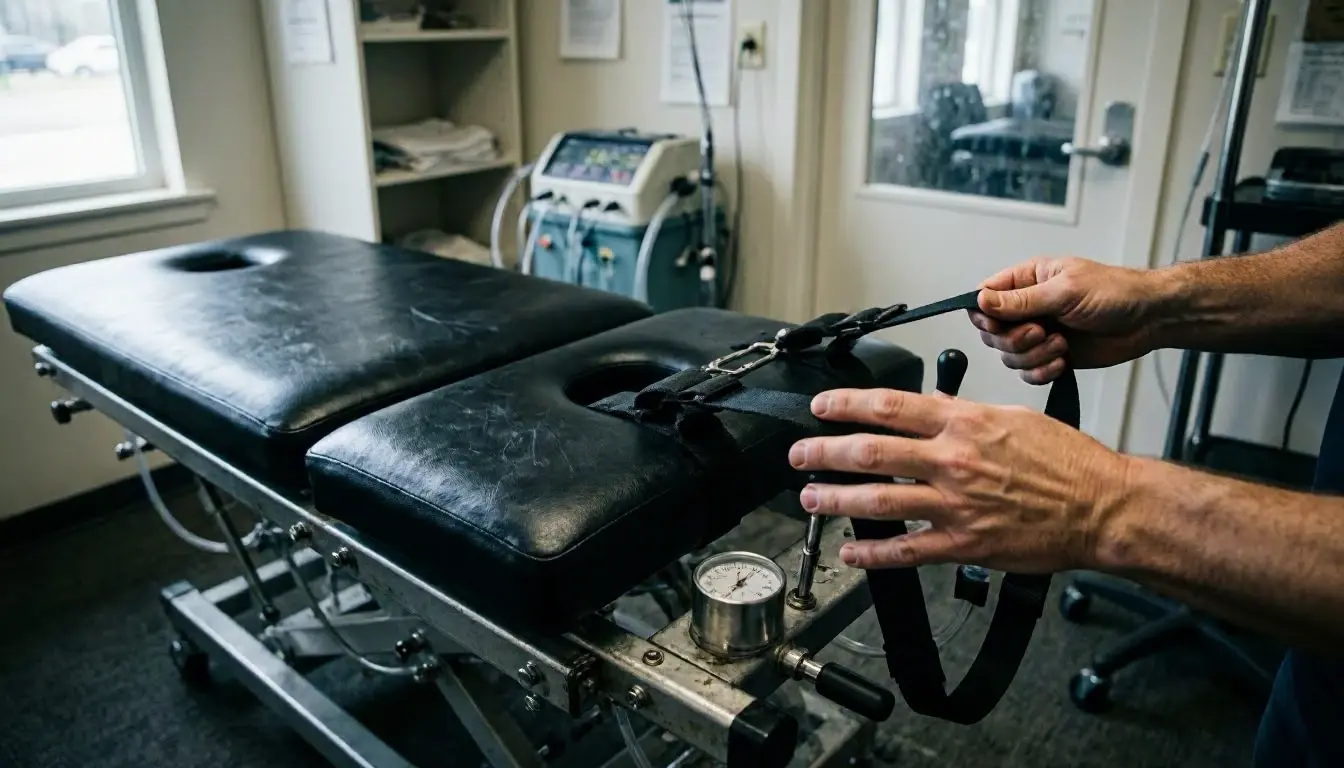
Decompression Therapy is a non-surgical treatment that gently stretches the spine to relieve pressure on compressed nerves and spinal discs. This therapy uses a motorized table or traction device to create negative pressure within the discs, promoting healing and pain relief for conditions like herniated discs, sciatica. And chronic back pain.

Reviewed by Dr. Harry W. Brown, D.C.Sources reviewed: American Chiropractic Association, National Institute of Neurological Disorders and Stroke

Quick Facts About Decompression Therapy

Category

Non-surgical spinal treatment

Used for

Herniated discs, sciatica, chronic back pain

Common confusion

Often mistaken for general traction or massage

Also called

Spinal Decompression, Non-Surgical Decompression

Often discussed with

Chiropractic Consultation and Diagnosis, Car Accident Injury Rehabilitation

Key Takeaways About Decompression Therapy

Understanding Decompression Therapy
Decompression Therapy in Chiropractor—McDonough

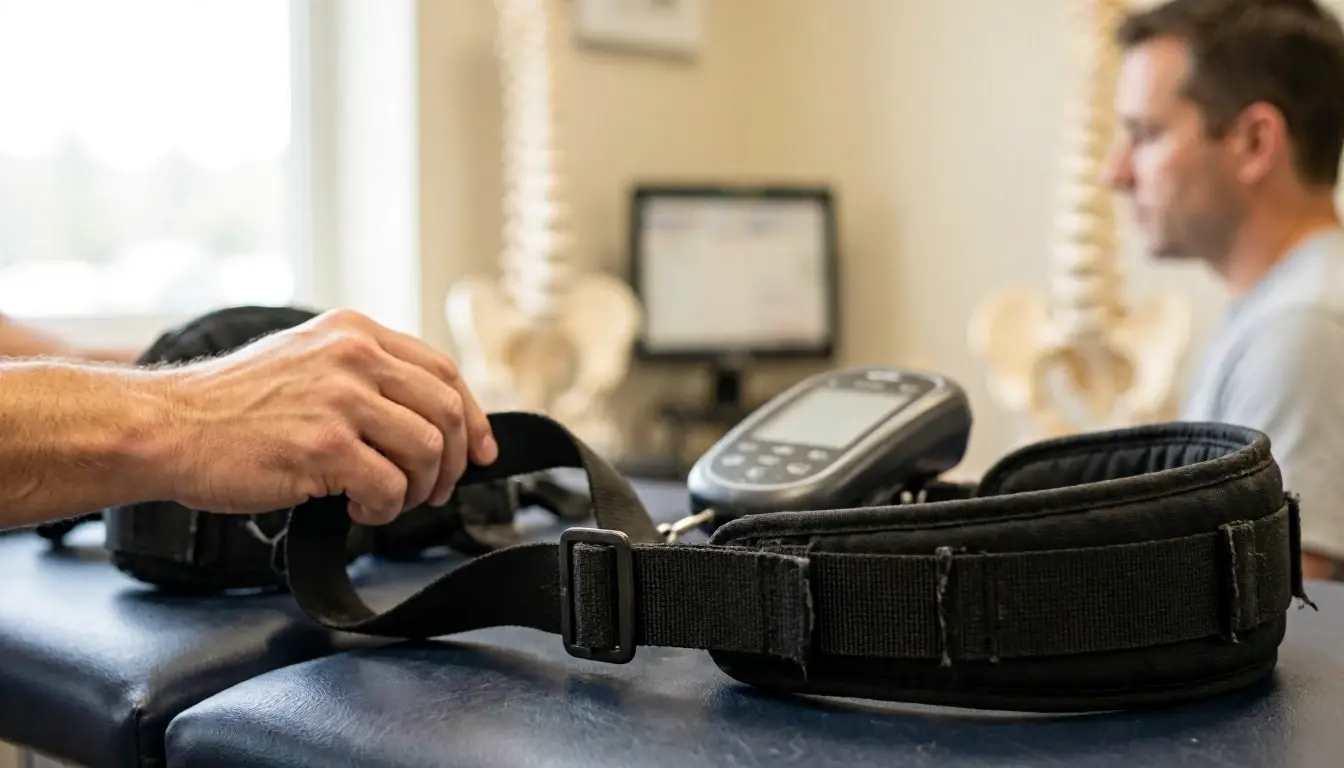
Decompression Therapy is a specialized treatment designed to alleviate pressure on the spine and its surrounding structures. Unlike general traction or massage, this therapy specifically targets the spinal discs and nerves, which can become compressed due to injury, aging. Or repetitive stress. The goal is to create a controlled stretch that reduces pressure, allowing oxygen, water. And nutrients to flow into the discs, promoting natural healing. This approach is particularly beneficial for individuals suffering from conditions like herniated discs, bulging discs. Or degenerative disc disease, which often cause persistent pain, numbness. Or weakness in the back, neck. Or limbs.

Related glossary terms: Spinal Decompression, Disc Herniation, Chiropractic Adjustment.

Decompression Therapy is typically administered using a motorized table or a traction device. During a session, the patient lies comfortably on the table while a harness or straps gently pull and release the spine in a rhythmic motion. The treatment is painless and often described as a gentle stretching sensation. Sessions usually last between 20 to 45 minutes. And a full treatment plan may involve multiple sessions over several weeks. Because it's non-invasive and drug-free, Decompression Therapy is a popular choice for those seeking alternatives to surgery or medication for spinal pain.

How Decompression Therapy Works?

Decompression Therapy works by creating negative pressure within the spinal discs, a process known as spinal decompression. When the spine is stretched, the space between the vertebrae increases, which reduces the pressure on the discs and nerves. This negative pressure helps to retract herniated or bulging discs, taking pressure off pinched nerves and allowing the discs to rehydrate and heal. The rhythmic stretching and releasing motion also stimulates blood flow and nutrient exchange, which supports the body’s natural repair processes.

The therapy is often customized based on the patient’s condition and response. For example, the angle of the stretch, the amount of force applied. And the duration of each session can be adjusted to target specific areas of the spine. Some devices even incorporate computer-controlled adjustments to ensure precision and consistency. While the mechanism is straightforward, the effectiveness of Decompression Therapy depends on proper diagnosis and execution. It is most successful when combined with other treatments, such as chiropractic adjustments, physical therapy. Or strengthening exercises, to address the root cause of the pain and prevent recurrence.

Why Decompression Therapy Matters?

Decompression Therapy matters because it offers a safe and effective way to relieve spinal pain without resorting to surgery or long-term medication use. Chronic back and neck pain can significantly impact quality of life, limiting mobility, disrupting sleep. And making everyday activities difficult. For many patients, Decompression Therapy provides a non-invasive option that can reduce pain, improve function. And boost overall well-being. It is particularly valuable for individuals who have not found relief through conventional treatments like painkillers, physical therapy. Or rest alone.

Many projects start with Beyond pain relief, Decompression Therapy can help patients avoid more invasive procedures, such as spinal injections or surgery, which carry higher risks and longer recovery times. By addressing the underlying cause of spinal compression, this therapy can also prevent further degeneration of the discs and reduce the likelihood of future flare-ups. For those with herniated or bulging discs, it offers a way to heal naturally and regain comfort in their daily lives. When used as part of a full care plan, Decompression Therapy can be a key component in achieving long-term spinal health.

When Decompression Therapy Matters Most?

Decompression Therapy matters most for individuals experiencing chronic back or neck pain caused by spinal compression. This includes conditions like herniated discs, bulging discs, degenerative disc disease, sciatica. Or spinal stenosis. It is also beneficial for those who have tried other treatments, such as medication, physical therapy. Or chiropractic adjustments, without success. Patients who are not candidates for surgery or who wish to avoid invasive procedures may find Decompression Therapy to be a viable alternative. And it can be helpful for individuals recovering from injuries, such as car accidents or falls, that have led to spinal misalignment or disc damage.

The therapy is particularly useful when pain radiates into the arms, legs. Or buttocks, as this often indicates nerve compression. For example, sciatica—a condition characterized by sharp pain shooting down the leg—can be effectively managed with Decompression Therapy by relieving pressure on the sciatic nerve. It is also a good option for those whose pain worsens with prolonged sitting, standing. Or physical activity, as these symptoms often signal disc-related issues. But Decompression Therapy is not suitable for everyone. Individuals with certain conditions, such as severe osteoporosis, spinal fractures. Or tumors, may need to explore other treatment options. A thorough evaluation by a qualified healthcare provider is essential to determine if this therapy is appropriate for a patient’s specific needs.

How to Evaluate Decompression Therapy?

Related Concepts Compared

Decompression Therapy vs. Spinal Traction

Spinal traction is a broader term that includes any method of stretching the spine. While Decompression Therapy is a specific, controlled form of traction designed to create negative pressure within spinal discs.

Decompression Therapy vs. Chiropractic Adjustment

Chiropractic adjustments involve manual manipulation of the spine to improve alignment, whereas Decompression Therapy uses a motorized table to stretch the spine and relieve disc pressure.

Expert Note

Decompression Therapy is most effective when tailored to the patient’s specific condition and combined with other therapies, such as strengthening exercises or posture correction. A one-size-fits-all approach rarely yields optimal results. So personalized care plans are essential.

Common Mistakes or Myths About Decompression Therapy

  • Assuming Decompression Therapy is the same as general traction or massage.
  • Expecting immediate results after just one session—most patients need multiple treatments.
  • Choosing a provider without verifying their training or the equipment used.
  • Ignoring the importance of combining therapy with exercises or lifestyle changes for long-term relief.

Decompression Therapy in Practice: A Real-World Example

A patient with chronic lower back pain due to a herniated disc visits a chiropractor in McDonough, GA. After an evaluation, the chiropractor recommends Decompression Therapy. Over six weeks of sessions, the patient experiences reduced pain and improved mobility, allowing them to return to daily activities without discomfort.

Sources & Further Reading on Decompression Therapy

Related Services

Related Terms

Spinal Decompression

Spinal Decompression is a non-surgical treatment designed to relieve pressure on the spine and nerves. It involves gently stretching the spine using a motorized table or device to create negative pressure within spinal discs, promoting healing and pain relief for conditions like herniated discs or sciatica.

Disc Herniation

Disc Herniation is a spinal condition where the soft, gel-like center of a spinal disc pushes through a tear in the disc’s tougher outer layer. This can irritate nearby nerves, causing pain, numbness. Or weakness in the back, arms. Or legs. Disc herniations often occur in the lower back or neck and may result from injury, aging.

Chiropractic Adjustment

Chiropractic Adjustment is a hands-on procedure where a licensed chiropractor applies controlled force to a specific joint, usually in the spine, to improve alignment, reduce pain. And restore normal movement. Adjustments are tailored to each patient’s condition and may produce a popping sound as gas escapes the joint.

Physical Rehabilitation

Physical Rehabilitation is a structured healthcare process designed to restore strength, mobility. And function after injury, illness. Or surgery. Physical Rehabilitation uses exercises, manual therapies. And assistive tools to reduce pain, improve movement. And help individuals return to daily activities safely and independently.

Arrowhead Clinic Chiropractor

Have Questions About Decompression Therapy?

Contact Arrowhead Clinic Chiropractor for practical guidance on Decompression Therapy and related chiropractor work in McDonough.

+1 770-637-6261