Understanding Flexion-Distraction
Flexion-Distraction is a way to help backs. It was made by chiropractors (back doctors). They use it instead of surgery.
Related glossary terms: Decompression Therapy, Disc Herniation, Spinal Manipulation.
This way gently stretches the spine. The doctor presses on certain spots. Many people like this better.
It helps take pressure off spinal discs. These are like cushions between bones. It also helps nerves work better.
Other back treatments use quick pushes. Flexion-Distraction doesn't. It moves slow like a stretch.
How Flexion-Distraction Works?
The goal is to make space between bones. This lets discs move back. They won't press on nerves.
It cuts down swelling. It helps people move easier. This works well for those who can't handle hard pushes.
Older people or those with injuries like it. It helps with sciatica (nerve pain). It helps with other back problems too.
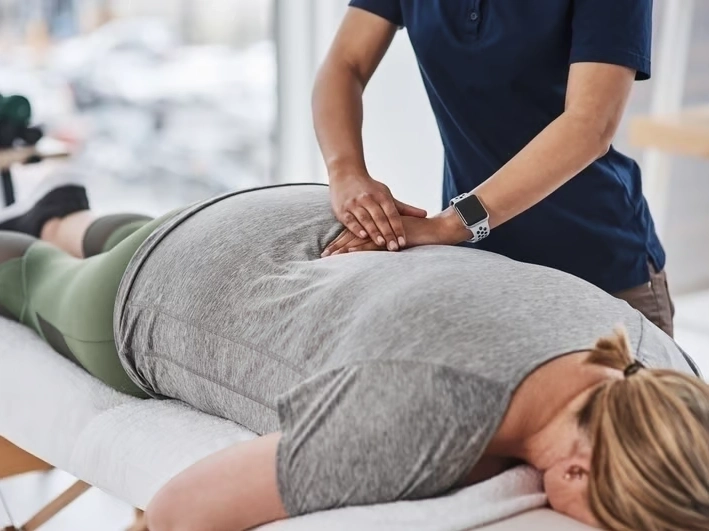
Doctors use a special table. It moves in many ways. The patient lies face down.
The table bends and stretches. The doctor presses gently. This guides the spine.
The table and hands work together. They make the discs move. This helps them go back where they belong.
Each move is slow. It repeats many times. A session takes 10 to 20 minutes.
The stretch helps blood flow. It cuts down swelling. It helps backs heal.
People say it feels like pulling. It's not sharp or sudden. It's safe for most people.
Even those with weak bones can try it. People with arthritis can too. Those with new injuries can as well.
Why Flexion-Distraction Matters?
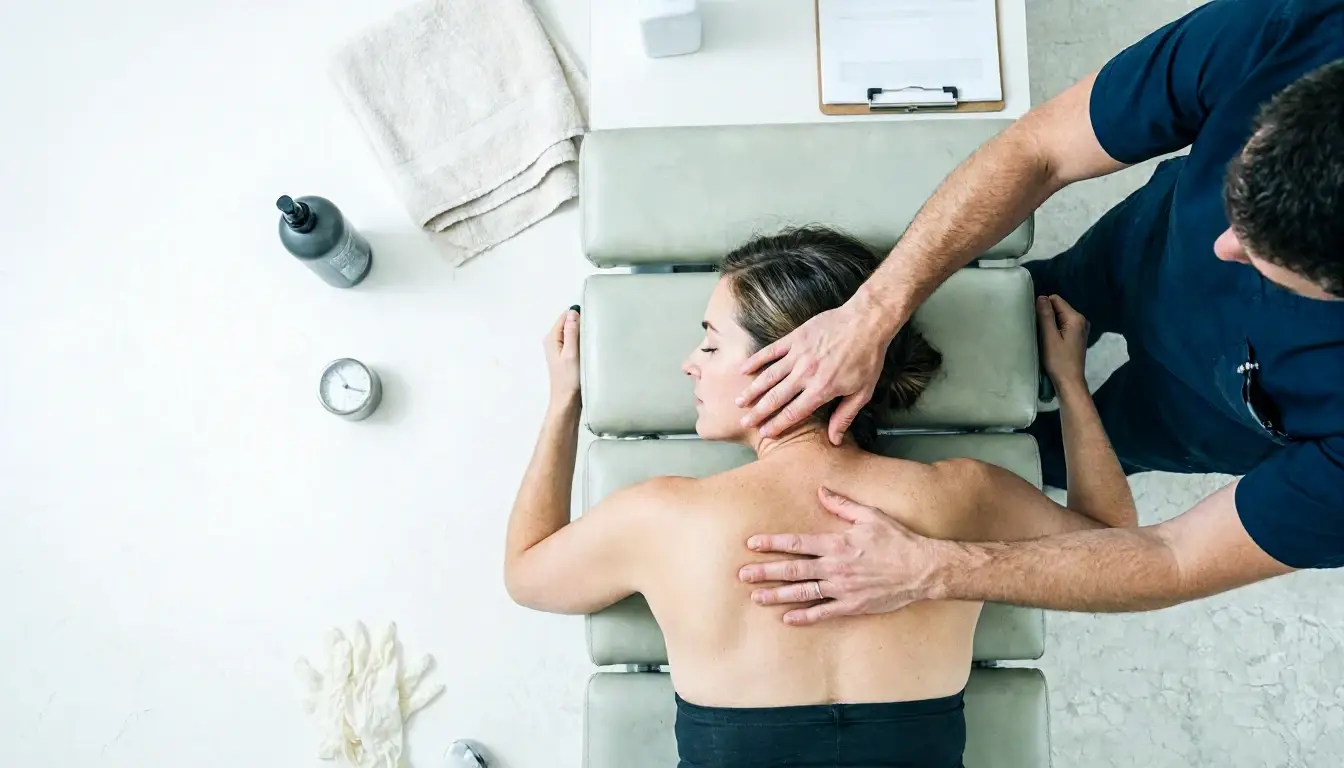
Flexion-Distraction helps backs without surgery. It doesn't use medicine. Many people with disc problems get relief.
Some have sciatica (nerve pain). Some have spinal stenosis (narrow spine). They move better after treatment.
Medicine only hides pain. Flexion-Distraction fixes the cause. It takes pressure off nerves.
It helps the spine line up right. This gives long-term help. It's not just a quick fix.
Some people can't have surgery. They may be too sick. Or they may not want it.
This way is gentle. It doesn't use drugs. Older people like it.
Athletes use it to heal. People with arthritis do too. It can mix with other treatments.
Cold laser (light treatment) can be added. Myofascial release (muscle work) can too. This makes healing faster.
When Flexion-Distraction Matters Most?
This works best for disc pain. It helps nerve pain too. It helps backs move better.
It treats herniated discs (bulging cushions). It treats sciatica (nerve pain). It treats spinal stenosis (narrow spine).
It helps long-term back pain. It helps after car crashes. It helps after sports injuries.
These injuries can squish discs. They can move discs out of place. The gentle stretch helps them heal.
It's good for those who don't like hard pushes. Some people can't handle normal back treatments. This is safer for them.
Some try medicine first. Some try therapy. Some try normal back treatments. If those don't work, this might.
It's great for nerve squish. The stretch makes space. This takes pressure off nerves.
But it's not for everyone. Those with very weak spines shouldn't try it. Those with breaks shouldn't either.
Those with infections shouldn't use it. A back doctor should check first. They'll say if it's safe.