When reviewing site readiness, how is progress monitored during work injury treatment when reviewing project requirements?
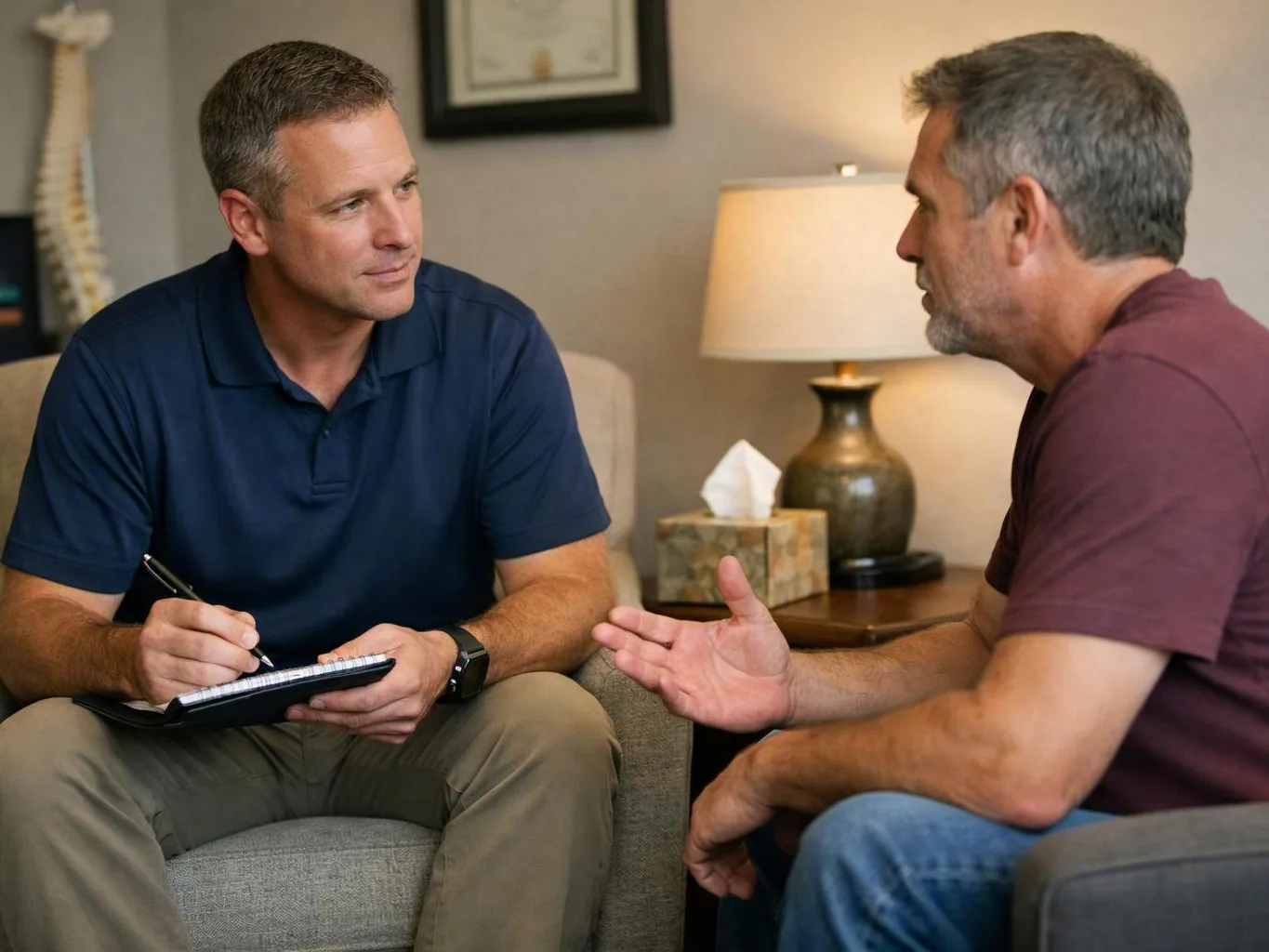
Pain levels are reviewed with movement, strength, and functional goals during progress checks. Arrowhead Clinic Chiropractor McDonough compares the new findings with the earlier exam and explains what they mean. The review may support continuing, adjusting, or reassessing care. Individual response differs, so one symptom does not decide the plan alone.
What happens during the first evaluation for a workplace injury?
The first evaluation records the injury history, work demands, symptoms, and affected movements. The visit may include a health history, physical exam, range of motion checks, and strength testing. Our team then explains the report of findings and discusses a personalized treatment plan. Bring available records and claim details if you have them.
Which work injuries can this chiropractic service address?
Work-related back pain, neck pain, whiplash, sciatica, shoulder pain, and movement limits may fit this service. The exam decides whether chiropractic care matches the concern. Our team reviews the injury and work task before recommending adjustments, soft tissue therapy, or another care step. Severe symptoms may need medical evaluation.
When should I seek care after a workplace injury?
Seek an evaluation when an injury causes ongoing pain, reduced movement, weakness, or difficulty with work tasks. Early documentation helps connect the symptoms with the event and affected duties. You should follow workplace reporting rules and seek urgent medical care for severe or worsening symptoms. A free consultation can clarify available chiropractic care options.
Why do work tasks matter during the examination?
Work tasks matter because lifting, reaching, sitting, and repeated bending place different demands on the body. The exam links those demands with movement, strength, and daily function. Our team uses that information when setting functional goals and explaining care. A plan focused only on symptoms may miss the task that keeps causing trouble.
How can I prepare for my first appointment?
A short injury history, work-task list, and available medical records can help the first visit. Write down when symptoms began and which movements affect them. Bring claim information if it is available, but you do not need an attorney before discussing care. The office can review your treatment needs and explain the next step.
What decides whether the care plan needs adjustment?
Changes in movement, strength, function, and symptoms help decide whether the care plan still fits. The progress review considers how work tasks feel and whether the stated goals remain useful. Our team explains the findings before changing care. Worsening or unusual symptoms may call for medical assessment outside chiropractic treatment.