Understanding Active Release Technique
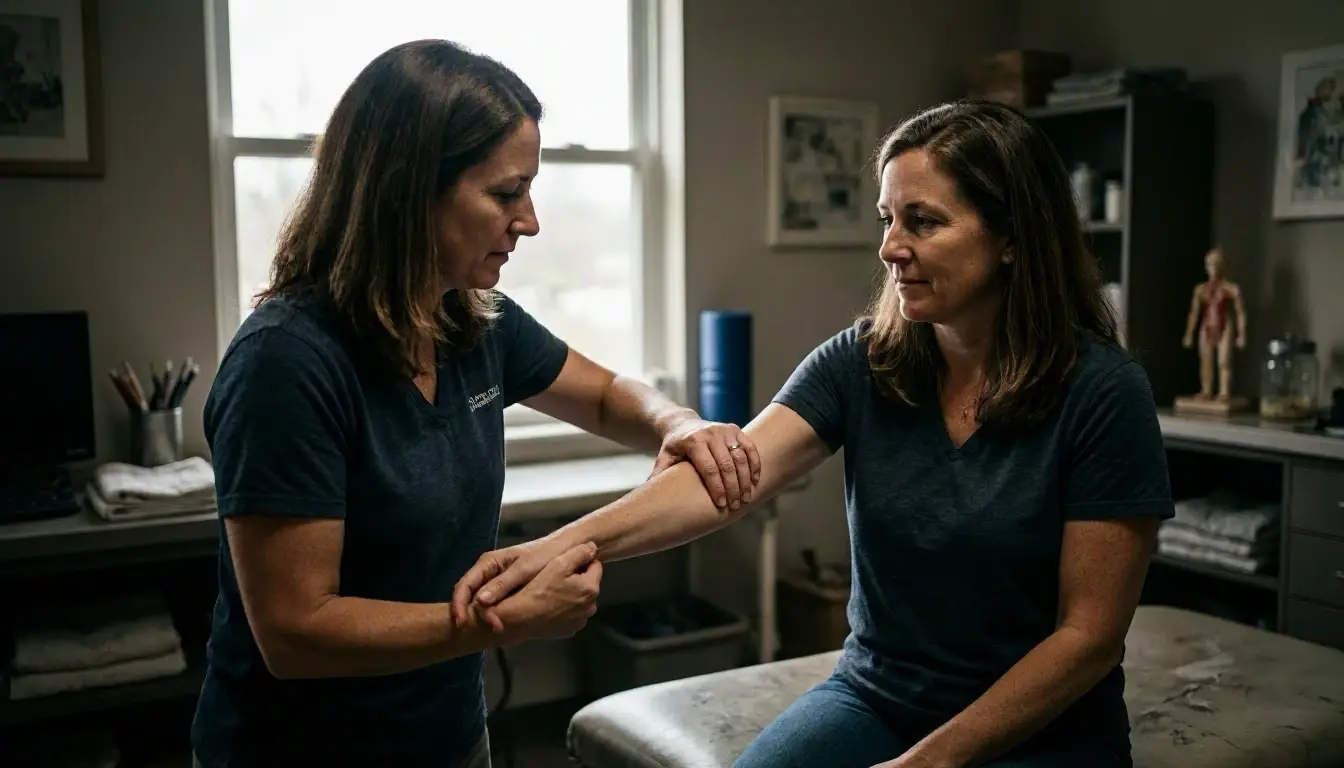
ART is a hands-on treatment. It finds and fixes soft-tissue adhesions (sticky spots in muscles). These spots form after injury, overuse. Or surgery.
Related glossary terms: Soft Tissue Therapy, Manual Therapy, Trigger Point Therapy.
Adhesions can limit movement. They can cause pain. They can also press on nerves. ART is not like regular massage.
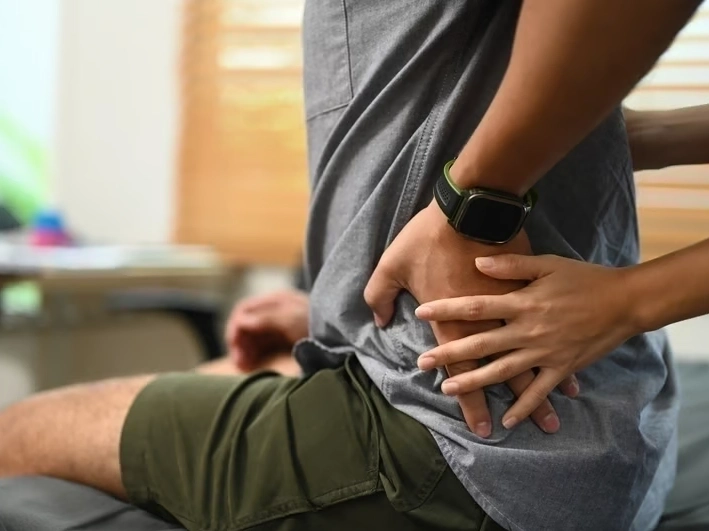
ART providers use their fingers. They push on tight spots. The patient moves in certain ways. This helps break up scar tissue.
It also helps tissues glide normally again. The method was made in the 1980s. A chiropractor named P. Michael Leahy created it.
He saw how injuries got better with precise pressure. Today, doctors know ART works well. It helps with carpal tunnel, tennis elbow. And plantar fasciitis.
ART fixes the real cause of pain. It doesn’t just mask symptoms. Many people feel better after a few visits.
How Active Release Technique Works?
In an ART session, the provider feels for tight spots. They press on the area. The patient moves the sore body part.
This helps loosen stuck fibers. It also boosts blood flow. Each session lasts 10-15 minutes. It focuses on one or two problem spots.
ART works on three main rules. First is specificity (finding the exact spot). Second is tension (pressing on it).
Third is movement. The patient moves while the provider presses. This breaks up adhesions safely and well.
ART has over 500 moves. Each move helps a different muscle or nerve. A move for carpal tunnel treats the forearm.
It also treats the median nerve. A move for plantar fasciitis treats the calf. It treats the foot’s bottom too.
Providers learn these moves in training. They must pass tests to get certified. This ensures they do ART right.
Why Active Release Technique Matters?
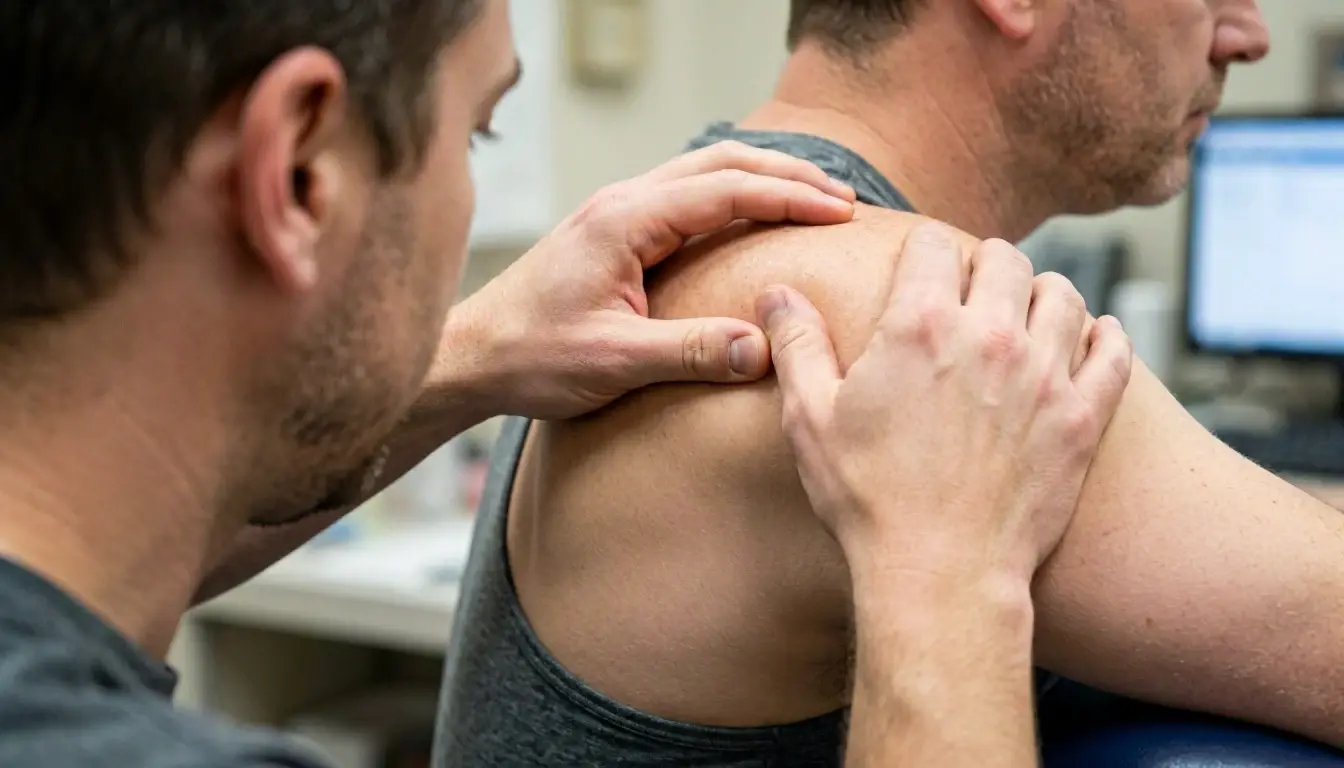
Adhesions form after injuries or surgeries. They form from doing the same motion too much. These sticky spots limit how far you can move.
They make you weaker. They can press on nerves. This causes long-term pain. It hurts how well you perform.
ART fixes this without cuts or drugs. It helps tissues work normally again. This lets people go back to daily tasks.
It helps them work and play sports too. They feel less pain. They move better.
ART helps athletes heal faster. It keeps muscles working their best. This boosts performance.
Office workers get relief too. Typing and using a mouse can strain them. Bad posture hurts them too.
ART helps accident victims as well. Whiplash and other injuries often need it. Rest or drugs don’t fix them.
ART treats the real cause of pain. This stops injuries from coming back. It cuts down on long-term pain care.
When Active Release Technique Matters Most?
ART works best for soft-tissue problems. It doesn’t fix joint or bone issues. It helps with repetitive strain injuries.
These include carpal tunnel and tennis elbow. It also helps overuse injuries. Runner’s knee and swimmer’s shoulder are examples.
ART helps after surgery too. It breaks up scar tissue. This can be after rotator cuff or ACL surgery.
It also helps trapped nerves. Sciatica and thoracic outlet syndrome are examples. People try ART when rest or ice don’t help.
Massage may not work either. ART targets the exact sore spot. This helps when general treatments fail.
ART isn’t a cure for broken bones. It doesn’t fix severe arthritis. But it can be part of a bigger plan.
This plan may include chiropractic care. It may have physical therapy too. Or it may need a doctor’s help.
In McDonough, GA, active people get hurt. Desk jobs cause strain too. ART offers a drug-free way to feel better.
Local ART providers help people heal. They get patients back to fun activities. This happens without drugs or surgery.