Understanding ATC
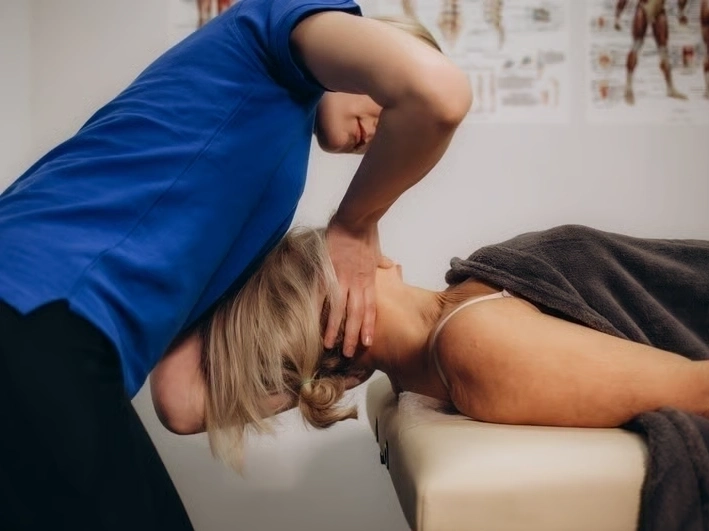
ATC is a title for Certified Athletic Trainers. These are health workers. They help right away when people get hurt.
Related glossary terms: Acute Pain, Joint Dysfunction, Ligament Sprain.
They make plans to help people heal. They also help stop injuries before they happen. ATCs work in schools, sports teams. And clinics.
They work in hospitals and jobs with lots of physical work. Their job is special. They help people who are very active.
This includes athletes, workers. And people who play sports for fun.
To get the ATC title, people must finish school. They need a bachelor's or master's degree. The school must be approved.
They must pass a test. It is called the Board of Certification (BOC) exam. They must also meet state rules.
This hard process makes sure ATCs know their job. They learn how to help with injuries. They learn about concussions (head injuries) too.
Their skills help chiropractors, physical therapists. And doctors. They work together as a team.
How ATCs Work in Healthcare?
ATCs follow clear steps to help and prevent injuries. First, they check a person's condition. They do this with tests and questions.
They look at how the body moves. They ask about past injuries. Then they make a plan just for that person.
The plan might have special exercises. It could include hands-on help. They might use ice, heat. Or small electric shocks.
ATCs also help in emergencies. They can keep injuries stable. They manage concussions (head injuries).
They help with heat sickness too. This happens during sports or work.
ATCs also help stop injuries. They watch how people move. They find things that might cause harm.
They teach the right way to play sports or do jobs. For example, they might teach safe tackling. This is for a football team.
They can make warm-up plans. This helps stop muscle pulls. They work with chiropractors too.
They help patients with back or joint problems. They help with muscle damage. They make sure healing goes well.
They help move from first treatment to long-term healing.
Why ATC Matters?

The ATC title shows high skill. ATCs know how to help injuries. They help people get better.
Patients get care from someone who gets it. They know what physical activity needs. They make plans just for you.
This is very important for athletes. It's key for workers with hard jobs. It helps people healing from injuries.
ATCs help them go back to activities safely.
Chiropractors work with ATCs. This makes care better. ATCs know a lot about sports medicine.
They know how to help in emergencies. They know how to help people heal. This helps chiropractic care.
They work together as a team. This helps patients right away. It also helps with deeper problems.
It stops injuries from coming back. It helps in the long run.
When ATC Matters Most?
ATCs help a lot where injuries happen often. They help when healing needs special care.
They are at sports games. They help right away with sprains (stretched ligaments). They help with broken bones.
They help with concussions (head injuries). At jobs, ATCs help workers stay safe.
They make programs to help with work tasks. They teach the right way to lift.
They help in places where people heal. Their skills help patients get strong again. They help after surgery or injury.
In a chiropractor's office, ATCs help with sports injuries. They help with job injuries. They help after surgery.
They check how people move. They make special exercises. This helps chiropractors.
Chiropractors work on joints and pain. In McDonough, GA, patients get top care.
They get help with sports medicine. They get help stopping injuries. This is true after a car crash.
It's true for long-term pain. It's true when going back to sports.