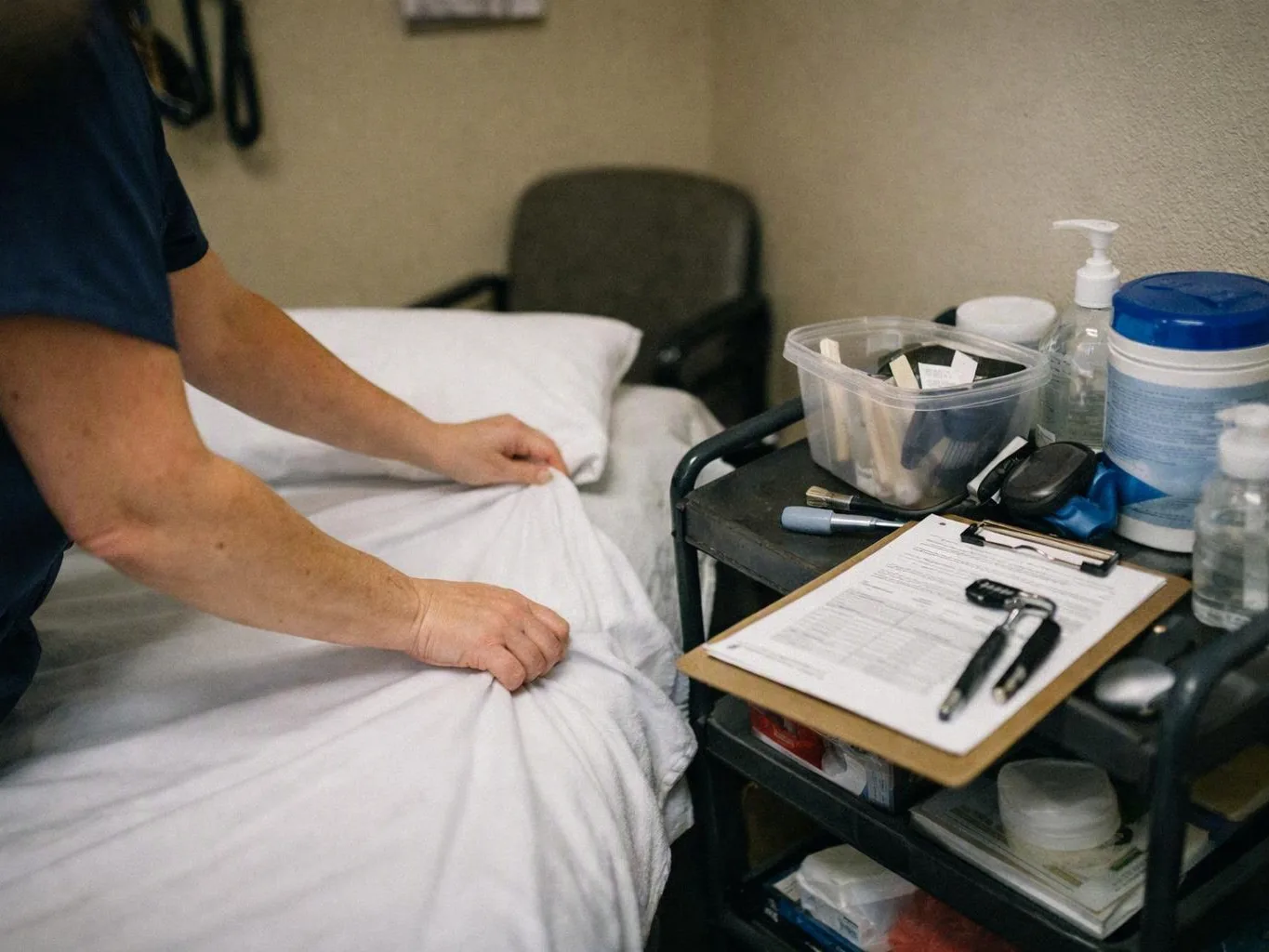
Record the fall and symptoms
We complete a new patient intake and health history. We note the landing position, painful areas, symptom changes, and prior conditions.
We provide fall injury care for people with neck pain, back pain, or joint pain after a slip. Free consultations help you discuss your next step.
You get a focused review of symptoms tied to the fall.
You receive care options that match your condition and goals.
You gain a written direction for the next stage of care.

Fall injury care starts with the event itself. We ask how you landed, which body area took the force, and when symptoms began. The exam may address neck pain, back pain, shoulder pain, hip pain, or knee pain. Our team then explains the findings in plain language. Care may include chiropractic adjustments, soft tissue therapy, and movement guidance when those options fit your condition. Individual response differs, so the plan follows your symptoms and goals. A fall can also cause symptoms that need medical attention beyond chiropractic care. Severe pain, major swelling, loss of movement, weakness, or head injury concerns call for prompt medical evaluation.
Slip-and-fall injury treatment is chiropractic care that evaluates and addresses pain linked to a fall.
We complete a new patient intake and health history. We note the landing position, painful areas, symptom changes, and prior conditions.
We examine movement and affected areas, and we consider X-rays if clinically indicated. This step helps separate ordinary soreness from signs that need further medical care.
We provide a report of findings in clear language. You can ask about the cause of symptoms, care choices, and what to expect.
We tailor a personalized treatment plan to your condition, goals, and needs. Options may include chiropractic adjustments or soft tissue therapy.
Follow-up visits track changes in pain and movement. We adjust the plan when your response or goals change.
A few details can help us understand the fall and begin with a focused evaluation.
We tailor each fall injury care plan to the patient’s symptoms, health history, movement limits, and recovery goals.
We explain examination findings, care options, and expected treatment steps before beginning chiropractic care.
We evaluate fall-related whiplash, neck pain, back pain, sciatica, and headaches before selecting appropriate care.

They were awesome and made sure I always felt comfortable and left there feeling better then I came.

Everyone just so friendly and my treatments were great I’m doing way better than I was

had a great experience at this chiropractic office. The staff was amazing — very kind, knowledgeable, and attentive. They made the entire visit smooth and comfortable. I would definitely recommend them to anyone looking for quality care.
The first visit includes a health history, injury questions, and a physical evaluation. We ask how you fell and which symptoms followed.
Patients receive clear information before treatment begins.
Arrowhead Clinic Chiropractor McDonough can discuss your fall, symptoms, and care needs. During the first days after you reach out, our team can review your concerns, explain the evaluation, and outline available chiropractic options.

A fall can leave back pain, neck pain, or joint pain that changes during the day. The landing position and the first change in symptoms matter during the intake. Write down those details and bring any medical records you have. We’ll review the injury pattern and explain which chiropractic care options fit your condition.
Headaches after a fall need careful attention because the cause may not be limited to muscle strain. Tell us when the headaches began and whether neck pain or dizziness appeared with them. Seek prompt medical care for serious head injury concerns. After urgent issues are addressed, our team can discuss an injury-focused evaluation.
Some people notice pain when they bend, sit, walk, or turn after a fall. That movement pattern gives us useful information during the exam. Bring a short list of activities that now feel difficult, plus any prior treatment details. We’ll use that information to explain care choices and plan follow-up checks.