Understanding Graston Technique
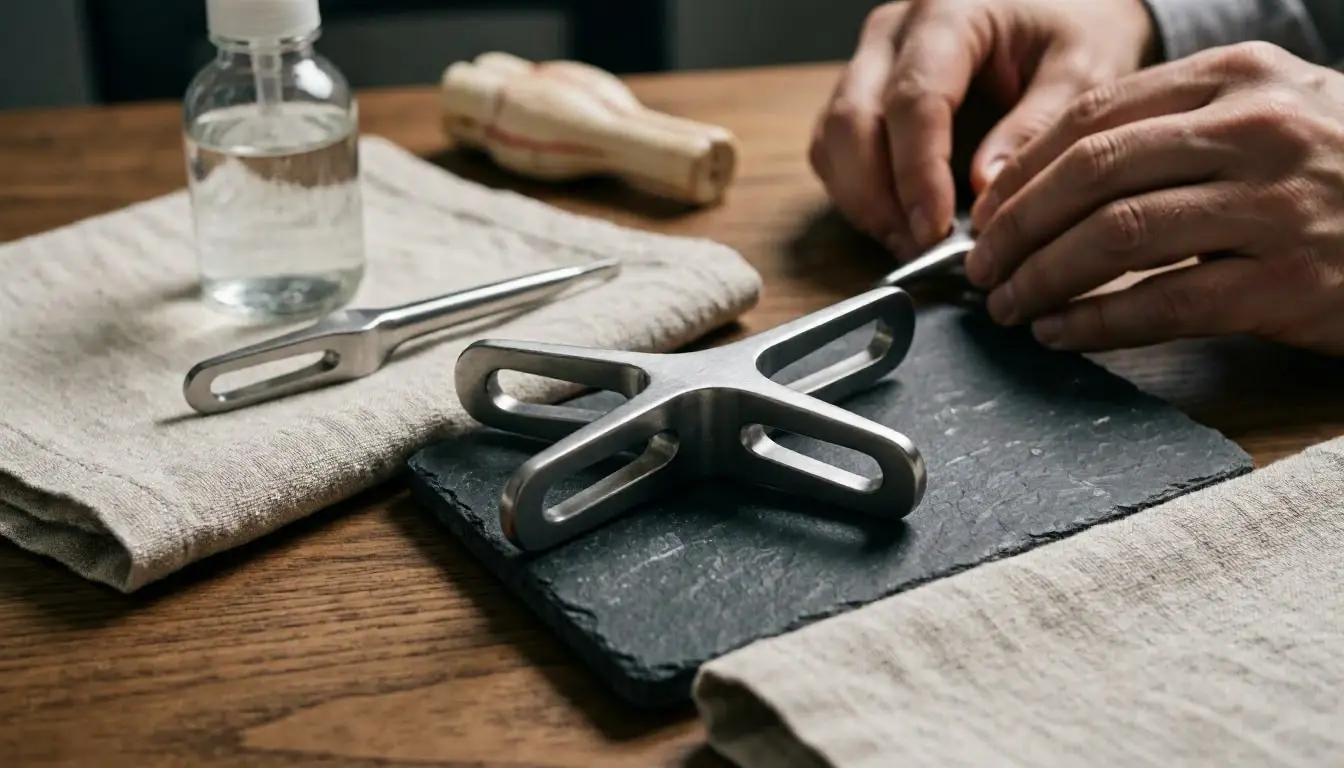
Graston Technique is a way to treat soft tissue injuries. It uses special metal tools.
Related glossary terms: Soft Tissue Therapy, Myofascial Release, Manual Therapy.
These tools help find tight or hurt spots in your body. They feel for scar tissue or stiff areas.
This can cause pain and make it hard to move. The tools help break up these problem spots.
The technique works by causing small, safe injuries. This tells your body to start healing.
Then, your body fixes the area. It makes new, healthy tissue.
How Graston Technique Works?
It's not like regular massage or stretching. Graston Technique is more precise.
The tools work like extra hands for the doctor. They help find and treat hard-to-reach spots.
This method often works with other treatments. It can be used with chiropractic care, exercise. Or therapy.
This helps you get better faster.
The doctor first checks your body. They look for tight or sore areas.
Then, they use the tools to scrape your skin gently. This breaks up scar tissue and stiff spots.
These spots can come from injuries, surgeries. Or doing the same thing too much.
The scraping also brings more blood to the area. This helps your body heal itself.
After treatment, your skin might get red. You might see small bruises too.
This is normal. It means your body is healing.
Most visits last 10 to 15 minutes. How many you need depends on your problem.
Graston Technique works best with exercises. Stretching and strengthening help too.
This keeps you from getting hurt again.
Why Graston Technique Matters?
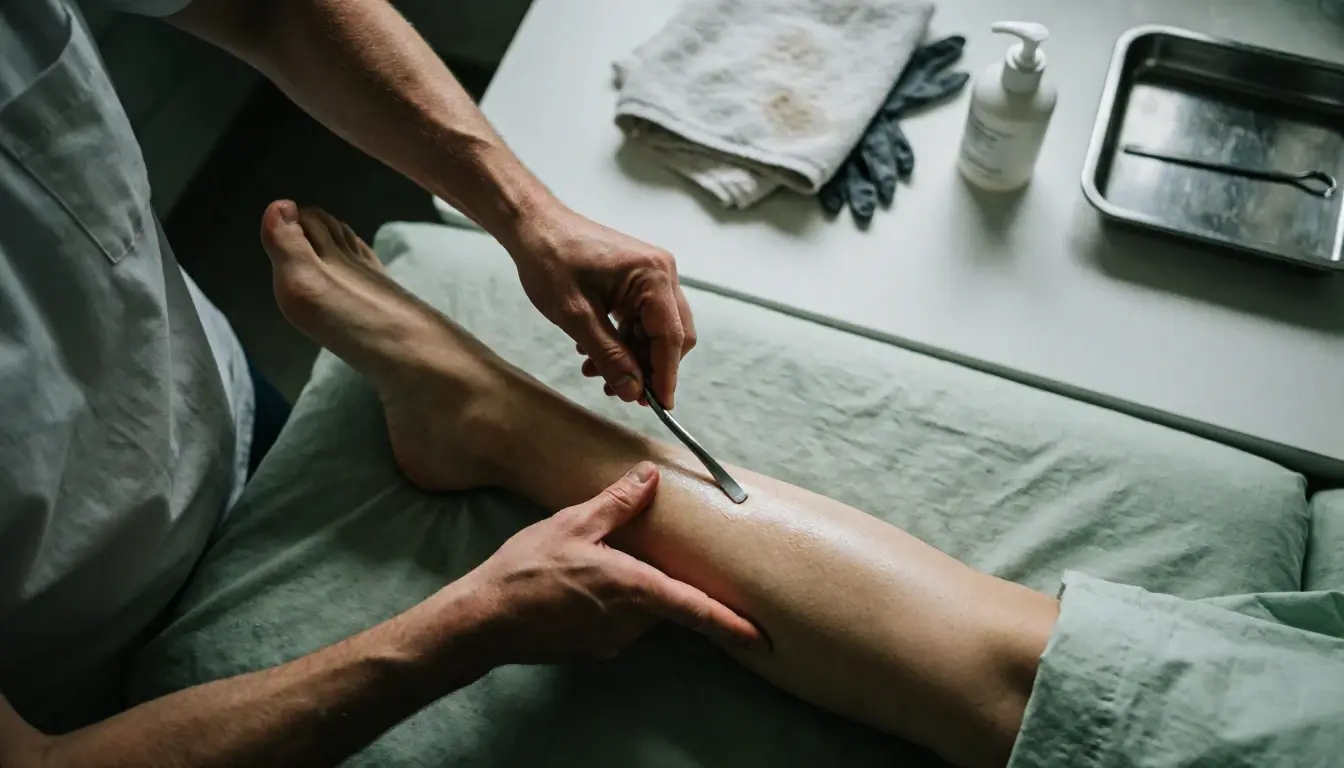
Graston Technique helps with long-term pain. It can help you move better too.
It does this by breaking up scar tissue. It also makes your tissues more flexible.
This helps you heal faster. You can get back to your daily life or sports sooner.
This method is great for athletes. It's also good for people after surgery.
It helps those with injuries from doing the same thing over and over.
It treats the real cause of pain. It doesn't just cover up symptoms.
For doctors, Graston Technique is a useful tool. It helps treat muscle and joint problems.
It's a clear, proven way to do soft tissue therapy. It works well for many patients.
Some people don't get better with rest, ice. Or medicine. This method can help them.
It can also mean fewer shots or surgeries.
When Graston Technique Matters Most?
Graston Technique works best for certain problems. It helps with muscle pulls and ligament sprains.
It also helps with tendonitis (swollen tendons). It can break up scar tissue after surgery.
It's often used for plantar fasciitis (foot pain). It helps with carpal tunnel syndrome (wrist pain).
It can treat rotator cuff injuries (shoulder pain). It also helps with long-term back or neck pain.
Some people try other treatments first. When those don't work, they find relief with this technique.
It treats the real problem in the tissue. This is why it works so well.
Athletes like this method. It helps them heal from injuries.
It can also help them do better in their sport. It breaks up stiff spots and helps them move better.
This makes it less likely they'll get hurt again.
People who had surgery like it too. It helps them recover faster.
It does this by stopping too much scar tissue. It also helps them move more easily.
But it's not for everyone. People with open wounds shouldn't use it.
Those with infections or certain blood problems shouldn't either.